

 Latest editorial
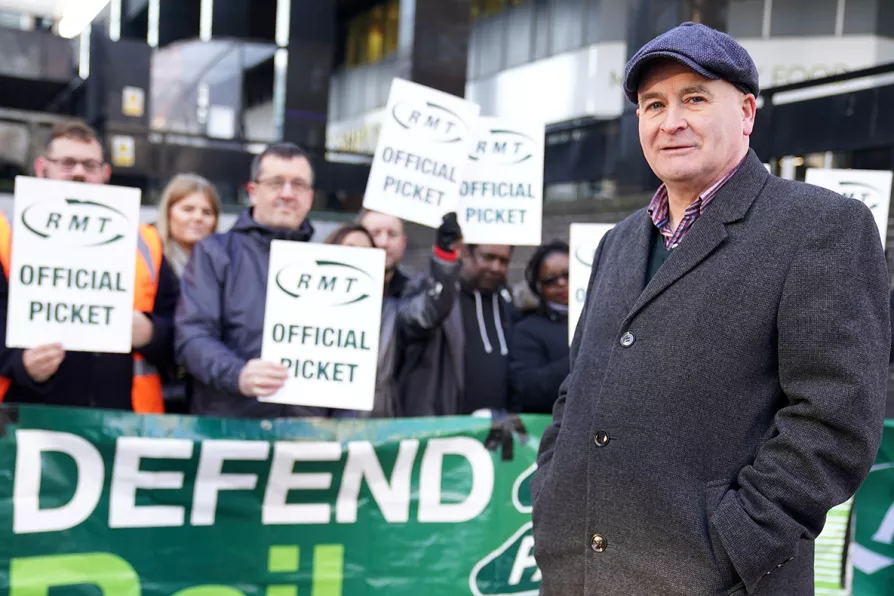 Mick Lynch, general secretary of the Rail, Maritime and Transport union (RMT), joins union members on the picket line outside Euston station in London during a rail strike in a long-running dispute over jobs and pensions
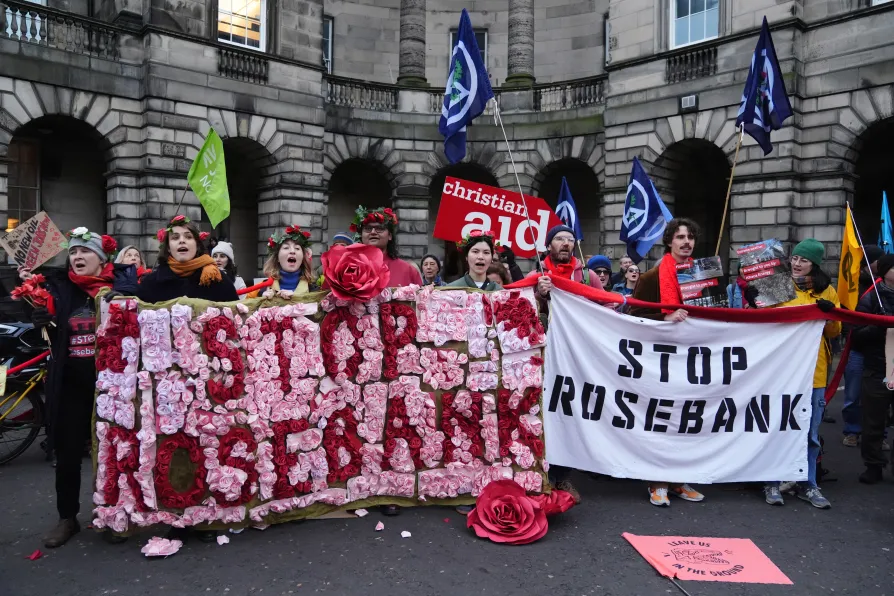


THE proposed anti-strike law is a “symbol” that ministers are losing the argument, RMT general secretary Mick Lynch said today after they vowed press ahead with the imposition of “minimum safety levels.”
Amid increasing industrial action in the transport, education and health sectors, the government announced on Thursday that it would introduce new legislation to minimise disruption during strikes.
Rail services were crippled today after RMT members at Network Rail and 14 train-operating companies began a 48-hour walkout, their second of the year.

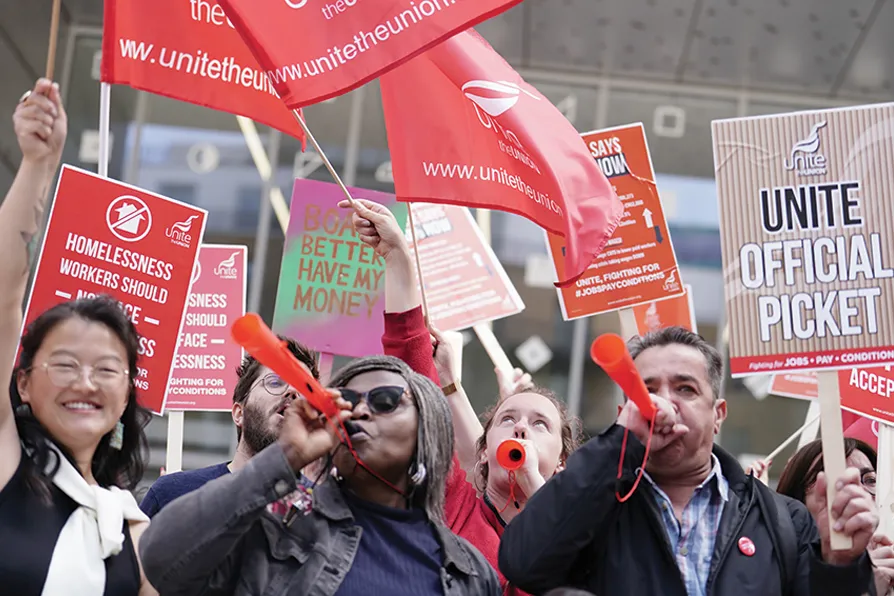
The unions are unhappy with the Employment Rights Act 2025 and with good reason. KEITH EWING and Lord JOHN HENDY KC take a close look at why the Bill promised more than it delivered
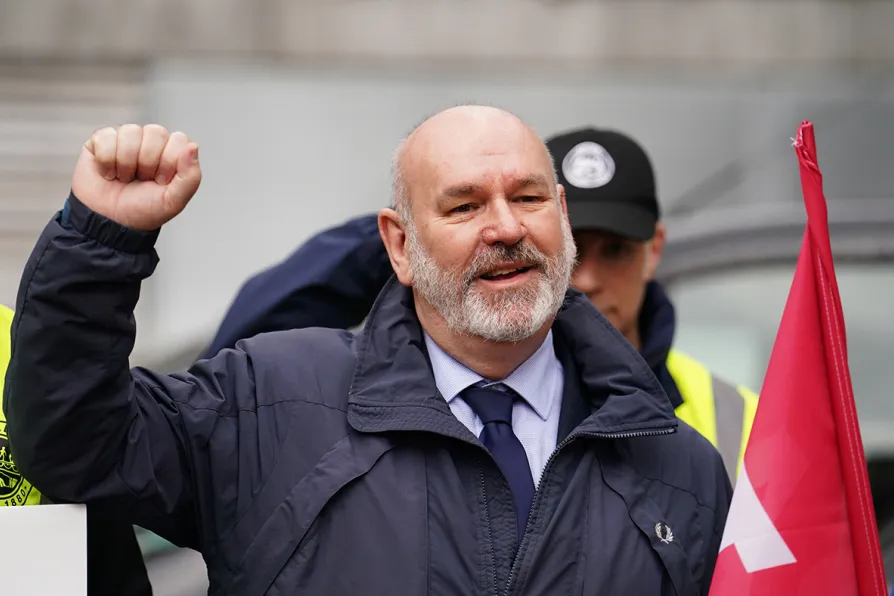
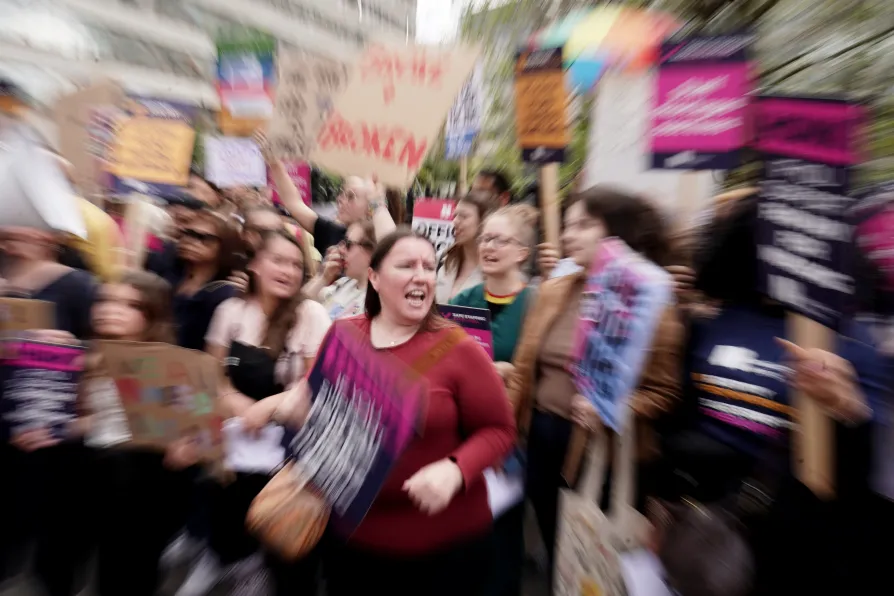
The Bill addresses some exploitation but leaves trade unions heavily regulated, most workers without collective bargaining coverage, and fails to tackle the balance of power that enables constant mutation of bad practice, write KEITH EWING and LORD JOHN HENDY KC
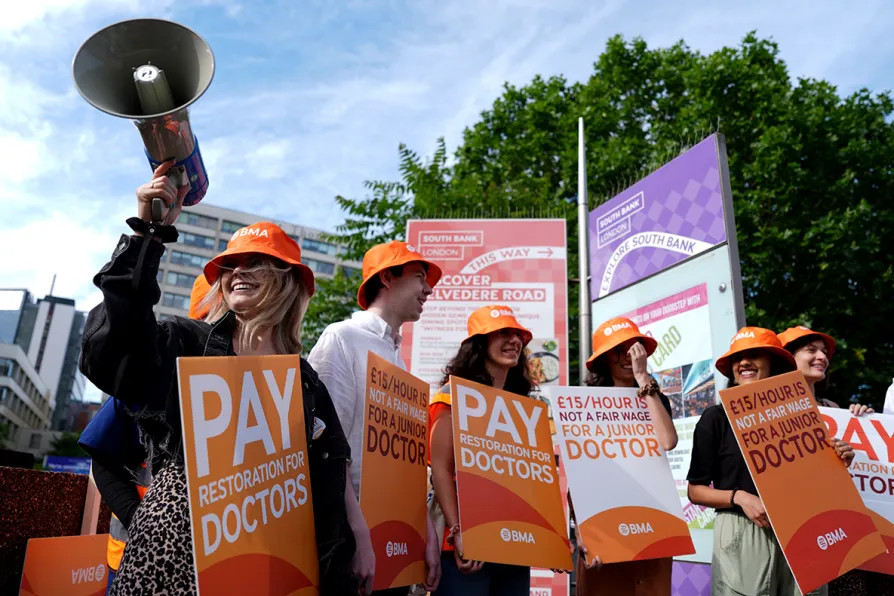
It is only trade union power at work that will materially improve the lot of working people as a class but without sector-wide collective bargaining and a right to take sympathetic strike action, we are hamstrung in the fight to tilt back the balance of power, argues ADRIAN WEIR