 Latest editorial
IAN LAVERY MP warns that decades of neoliberal policies have left former industrial communities behind — but a renewed Labour commitment to working people could change the political landscape


An impossible choice is facing many Labour members
HILARY WISE asks: should pro-Palestine activists wait for the 'knock on the door' from a party that's mired in division – or jump?
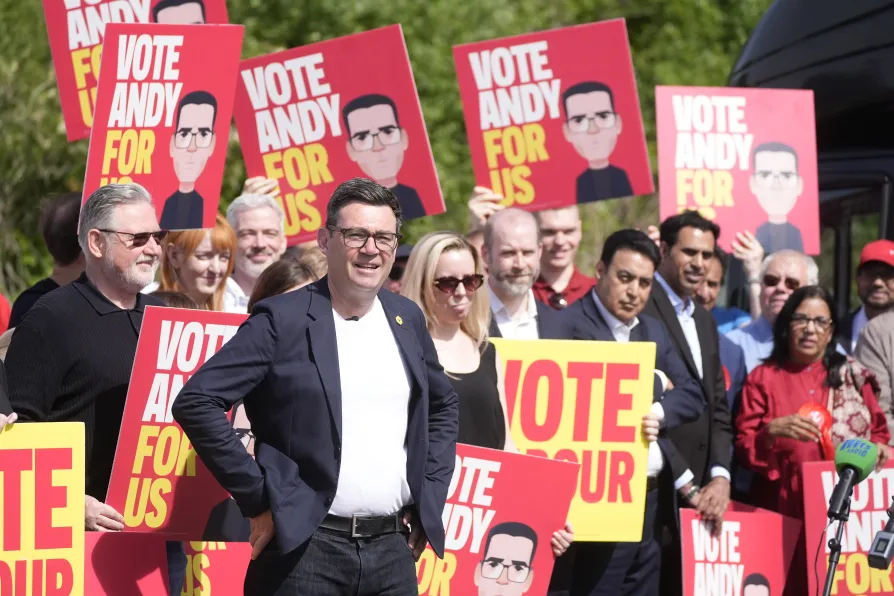
PAOLO SANTALUCIA reports on how an Italian region defies US pressure to end a Cuban doctors programme
HENRY FOWLER outlines the GFTU’s new 2026-27 education programme and argues that investing in trade union education is essential to building worker power, developing leaders and strengthening collective action
We need a government that invests in saving lives not destroying them, argues SOPHIE BOLT
More expensive by weight than gold, saffron is surprisingly simple to grow. MAT COWARD explains
The public inquiry is the result of more than a decade of determined campaigning. Now, those who fought for justice want the full story of government involvement and police conduct to be told, says KATE FLANNERY
The Durham Miners’ Gala is a celebration of working-class culture, but also a call to action — to rebuild workers’ collective strength, says KIM JOHNSON MP


I AM probably typical of many people who joined the Labour Party after Jeremy Corbyn became leader. We dared to hope for an end to unbridled neoliberalism and a more principled approach to foreign policy.
The consequent upsurge in membership was responsible for the heavy blow dealt to the Tory majority in 2017.
For many, part of the attraction was that a government headed by Corbyn, who had shown support for oppressed groups throughout his political career, would take more seriously the concerns of those of us campaigning for the application of international law in Israel/Palestine.
It was perhaps predictable that his stance on both the economy and on Israel/Palestine would be seen as a major threat in some quarters.

Similar stories
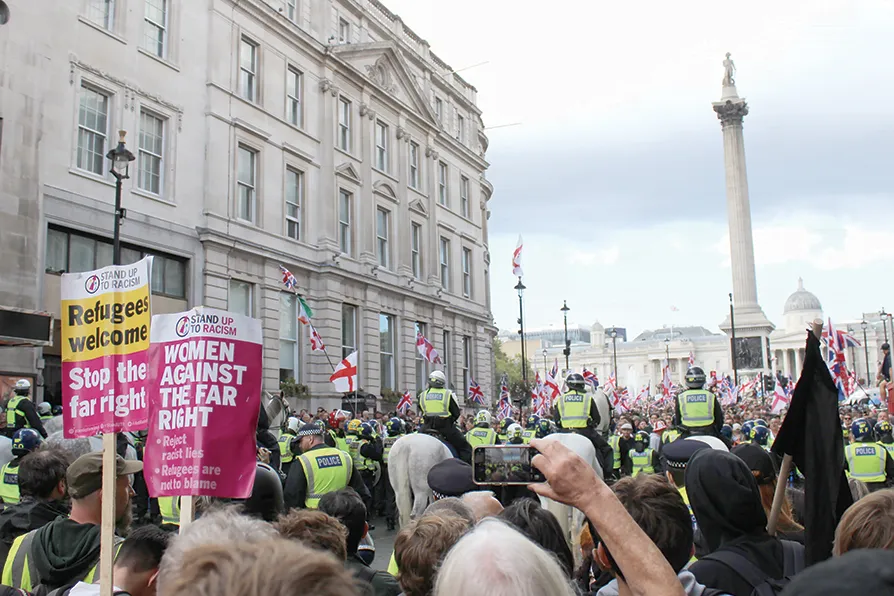
As extremist movements grow on the streets and at the ballot box, the emergence of the Together Alliance points to a vital strategy: unity across trade unions, campaigners and communities, says TONY CONWAY
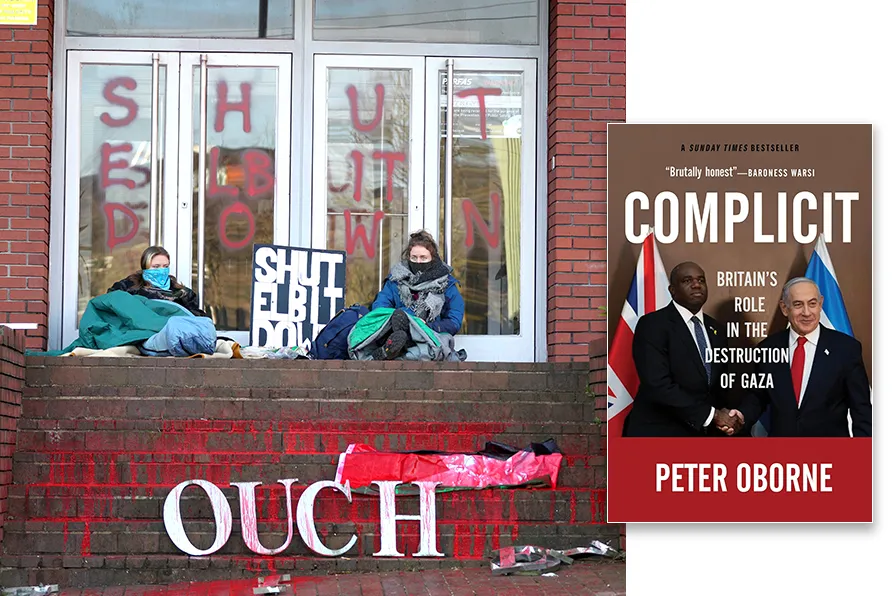
GAVIN O’TOOLE welcomes, and recommends a a candid, evidence-based record of Britain’s role in the slaughter visited by Israel upon the Palestinians

In part II of a serialisation of his new book, JOHN McINALLY explores how witch-hunting drives took hold in the Civil Service as the cold war emerged in the wake of WWII

With foreign media banned from Gaza, Palestinians themselves have reversed most of zionism’s century-long propaganda gains in just two years — this is why Israel has killed 270 journalists since October 2023, explains RAMZY BAROUD