DOUGLAS FIELD relishes the hard-boiled language, satire and humour of the third and last of the Harlem trilogy


 Latest editorial
Informing the immigration policy debate
MARJORIE MAYO recommends a highly useful guide to the benefits and hazards of different approaches to immigration

STEPHANIE BROWN draws attention to the hidden labour of the female embroiderers, and how a 19th century replica made no such error
MIK SABIERS revels in a band that ploughs an idiosyncratic furrow of expletive laden, guitar-driven alt rock
ANDY HEDGECOCK, MARIA DUARTE and ANGUS REID review Synthetic Sincerity, Our Hero, Balthazar, Heartstopper Forever, and A Year In London
The bard invites readers to a gig, raps for Clacton, and lays out the Burnham-Hurzeler conundrum
RON JACOBS recommends an important book that enhances the oppositional theories put forth by Fanon and, in doing so, remakes psychology itself


What is Immigration Policy For?
Madeleine Sumption, Bristol University Press, £9.99
SUMPTION’s book starts from the polarisation of public debates on immigration in high-income countries. There are so many myths and misapprehensions, far too rarely based on objective evidence. When a 2023 poll asked respondents in the UK who they had in mind when they thought of a “migrant,” for example, 65 per cent replied “asylum-seekers.” But asylum-seekers are actually one of the smallest groups of migrants coming to the UK, at the present time.
Nor are policy proposals necessarily based on the evidence about how they might work out in practice. Immigration comes in many forms, and policy-makers face a number of dilemmas as they try to address these complexities while taking account of competing demands from their electorates.
Almost all changes to immigration policies have winners and losers, in Sumption’s view, with some surprises; admitting people who were willing to invest a couple of million pounds in a UK business was intended to attract shrewd entrepreneurs, for example. But the typical applicants were the wives of wealthy Russian and Chinese businessmen who spent as much time as they could out of the country without losing their visas.
So, Sumption’s aim is to focus on the evidence in practice, not to convince her readers of any particular set of policies, but to provide them with the evidence to decide for themselves.
The book starts from the question of what immigration policies are trying to achieve, often trying to balance competing aims at the same time: whether in terms of economic policies or policies to promote social cohesion and/or to promote — or at least take account of — social justice agendas. Whether to offer more opportunities for migrants to fill vacancies in low-wage sectors such as social care, for instance, while recognising that migrants in these sectors may be vulnerable to abusive treatment by unscrupulous employers.
There are specific chapters addressing the dilemmas to be faced in a number of policy areas — both Skilled Work and Low-wage Work, Family Migration, Unauthorized Migration and Enforcement, and Refugees and Asylum Seekers. While the main focus is on Britain, Sumption includes evidence and examples from the US and from other European countries to illustrate her arguments.
The concluding chapter brings these arguments together around three different visions of what immigration policy is for. Option 1 summarises the dilemmas for those who prioritise low migration. But there would be economic as well as human costs to this approach, as well as potential reputational damage, internationally. And restrictions on asylum have proved challenging to enforce, as the Rwanda fiasco demonstrated only too clearly.
Option 2 focuses on those who prioritise economic considerations. Here too there would be trade-offs involved, including human costs as well as potential economic costs, along with the difficulties of implementing effective restrictions on asylum-seekers in practice.
Option 3 focuses on the options for those prioritising humanitarian concerns. At one end of the spectrum this could involve open border policies. But this might be electorally challenging given current concerns in so many high-income countries like the UK. This option might indeed lead to relatively high levels of migration, together with a faster rate of social change, effects which might be less acceptable to some citizens — with political risks accordingly.
Sumption concludes that it is unrealistic to expect everyone to agree on immigration policy. But it just might be possible to have more honest, measured debates. If only!
Her book provides the tools for precisely this though, focusing on the evidence and the facts that need to be addressed, whatever your perspective. What’s Immigration Policy For? will be extremely valuable as a result, and is highly recommended.

Similar stories

Unison national officer CLARE WILLIAMS spoke to the Morning Star about the union’s priority campaigns and why they will not let up just because the Prime Minister has changed

The government’s latest asylum proposals abandon labour movement values and fuel division by aping Reform UK, writes DIANE ABBOTT MP
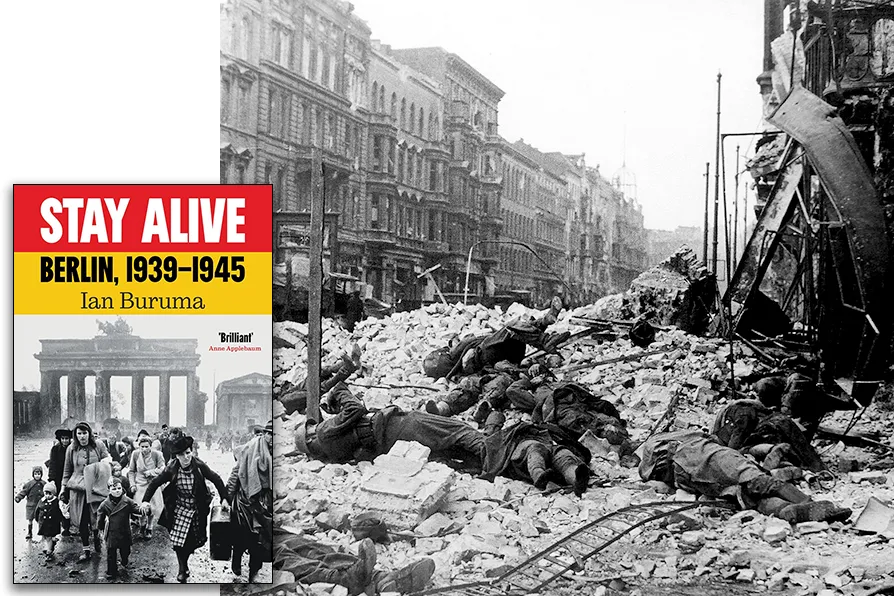
MARJ MAYO sees the contemporary relevance of this account of the consequences of a society’s accommodation with evil

DIANE ABBOTT exposes the misconceptions, rumours and downright lies perpetrated around immigration issues