
While international actors discuss governance and reconstruction, Netanyahu has made it clear that Israel has no intention of ending its military occupation, says RAMZY BAROUD

Iran: pressure mounts from outside and within
As tensions rise in the Middle East, the role of Iran in the region’s political balance becomes ever more significant. STEVE BISHOP assesses the current situation
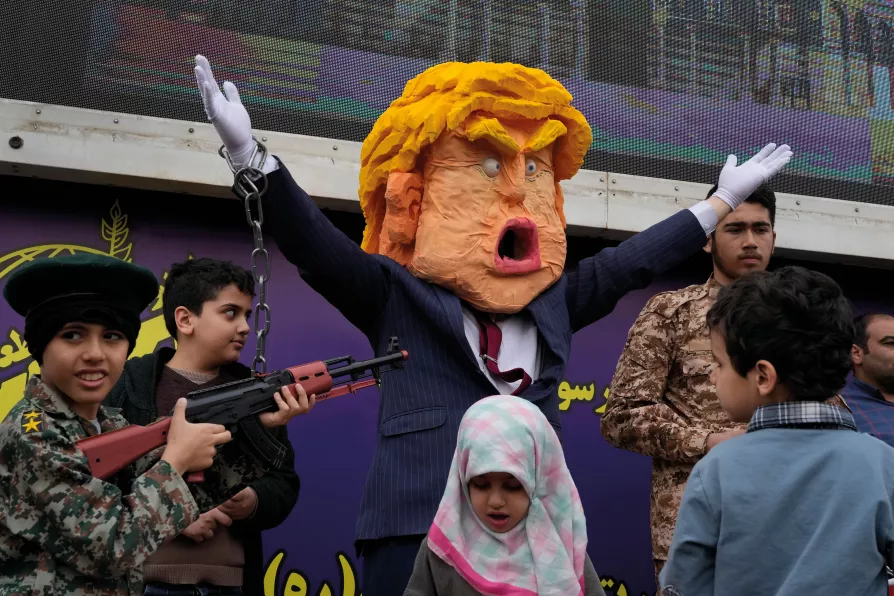
 EMPTY POSTURE: Children accost Donald Trump in effigy during the annual Quds Day march against Israel in Tehran
NICK WRIGHT continues his series analysing the trends in European politics
We have the alternative economics, histories of our struggles and the confidence to change the world
General Federation of Trade Unions assistant general secretary HENRY FOWLER reports on the final day from the GFTU’s residential Summer School at the Workers’ Retreat, Quorn Grange Hotel
Capitalism has exploited — and polluted — our natural resources for too long, it’s time we treated our rivers as living beings, writes MIRIUM GAUNTLETT, LIAM SHAW and ROX MIDDLETON
Treating the Clacton by-election as a joke risks reinforcing the Reform leader’s claim to be the victim of an out-of-touch Establishment, argues JOHN McINALLY
MPs and others called for the urgent release of tortured Palestinian doctor, Hussam Abu Safiya, held hostage by Israel and reportedly near death, reports LINDA PENTZ GUNTER


IN HIS first term as US president, Donald Trump tore up the Joint Comprehensive Plan of Action, which had been agreed by Barack Obama in 2015, primarily to constrain Iran’s uranium enrichment programme in exchange for some sanctions relief.
For Trump, this was simply a case of Obama being “soft” on Iran, and from 2018 a policy of “maximum pressure” was adopted towards Iran, with any compromise or negotiation off the table.
The Biden administration did not fundamentally change this approach, and to all intents and purposes, foreign policy under Biden was a continuation of that under Trump in relation to Iran.

Similar stories
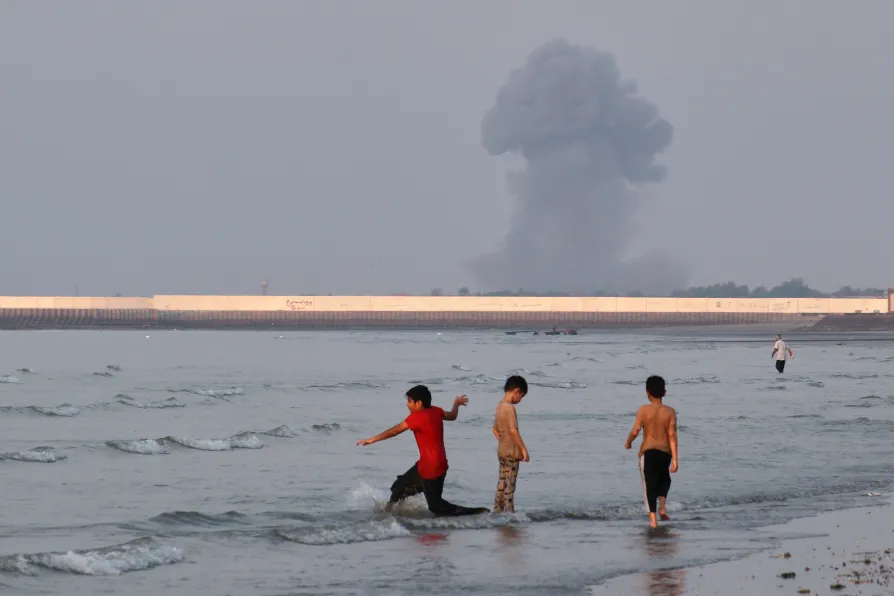
Behind the language of military strategy is a confrontation that risks drawing the wider Middle East into war, says STEVE BISHOP
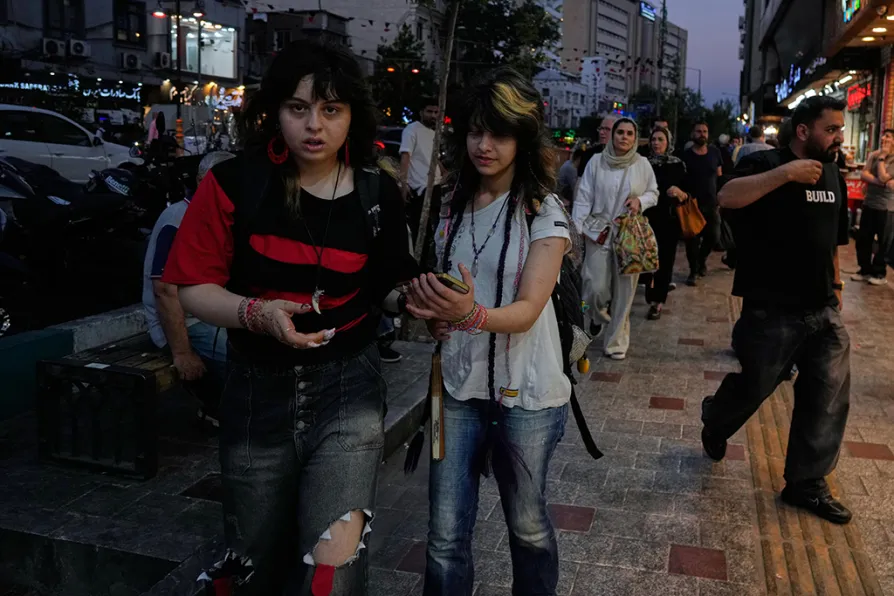
The ceasefire may have halted the fighting for now, but years of economic warfare and recent military attacks have left millions of Iranians facing hardship and uncertainty, says Codir’s RUBEN BRETT
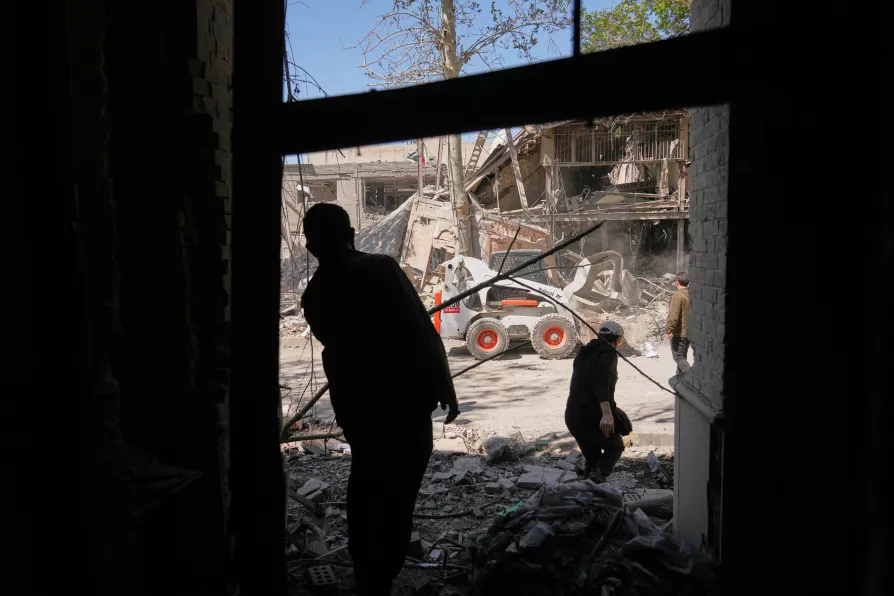
The Committee for the Defence of the Iranian People’s Rights (Codir) cautiously welcomes the ceasefire, but remains suspicious of US and Israeli intentions
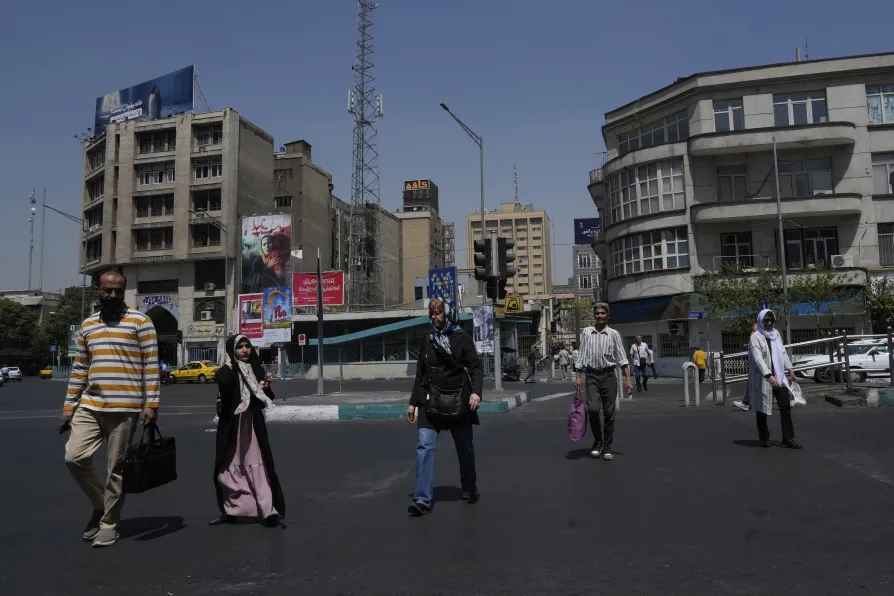
Payam Solhtalab talks to GAWAIN LITTLE, general secretary of Codir, about the connection between the struggle for peace, against banking and economic sanctions, and the threat of a further military attack by the US/Israel axis on Iran