The basis for 20th-century social democracy in Britain is gone, argues ANDREW MURRAY – but there are measures a Burnham government could take that would break with neoliberalism


 Latest editorial
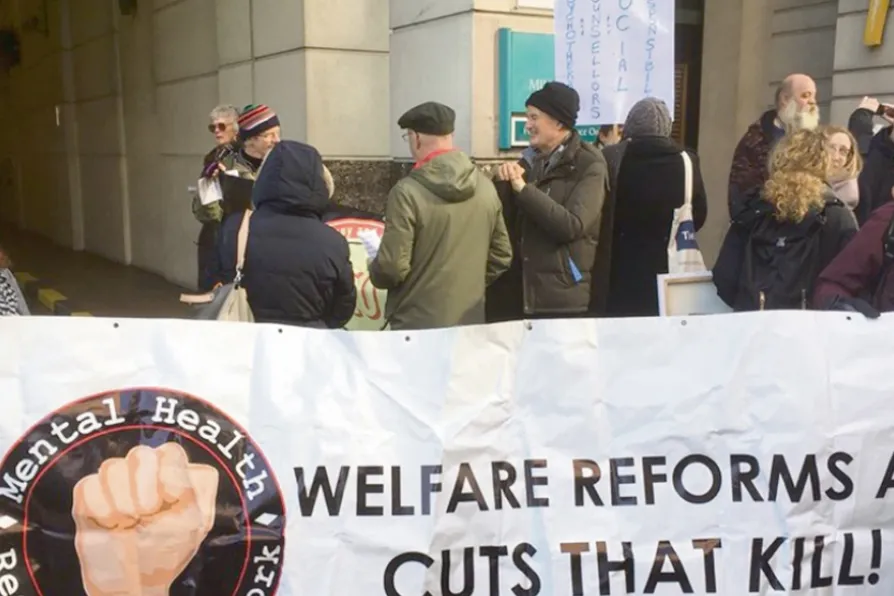
The left must challenge the state’s reduction of mental health to market agendas
Psychotherapist Paul Atkinson talks to Richard House about being a mental wellbeing activist and the daily difficulties faced by those on the therapeutical front line
 Making a point
TONY BURKE pays tribute to a dedicated trade unionist and true internationalist who helped organise workers from Britain to Bangladesh
NASUWT leader MATT WRACK says schools are crying out for serious investment — and there are other immediate changes a new prime minister could and should enact
Keir Starmer’s resignation speech seemed to be coming from a different universe, or maybe it was just a fanfaronade of falsehoods, writes LINDA PENTZ GUNTER
Starmer will be judged on his record, but it would be wrong to view him in isolation from the crisis of the British political establishment, says the COMMUNIST PARTY in its official statement on the PM’s resignation
Over 1,000 hostile US sanctions remain in place on Venezuela, while Britain continues its colonial theft of gold, writes MATT WILLGRESS


Richard House (RH): Paul, activism takes many forms — including “psy activism” (my term) in the realm of mental health and you’re one of the most committed psy activists I know. Can you say something, first, about what you see as the key commitments of a psy activist who also works professionally in the mental health field?
Paul Atkinson (PA): For me as a psychotherapist, the key commitment is an ongoing awareness of the inevitable and complex power relationship between psy professionals and clients/service users. This applies to activism and also to the consulting room itself.
Psy professionals often claim an apolitical neutrality and an enhanced empathic sensitivity in their relationships with other people. Unless we’re willing to continually pay attention to the limits of our assumptions and experience, and keep learning from the people we’re working with, we’re likely to be projecting subtle and not-so-subtle messages of knowing more than we know, of being a little (or a lot) more important than we are and protecting ourselves with a whiff of authority that’s overbearing or condescending.

Similar stories
MIKE SCOTT assesses the AI threat to jobs in the first of a pair of articles on the problems it poses

Austerity in a red tie is still austerity, warns RAMONA McCARTNEY of the People’s Assembly – rally with us to demand different choices

Incoming Usdaw general secretary JOANNE THOMAS talks to Ben Chacko about workers’ rights, Labour and how to arrest the decline of the high street
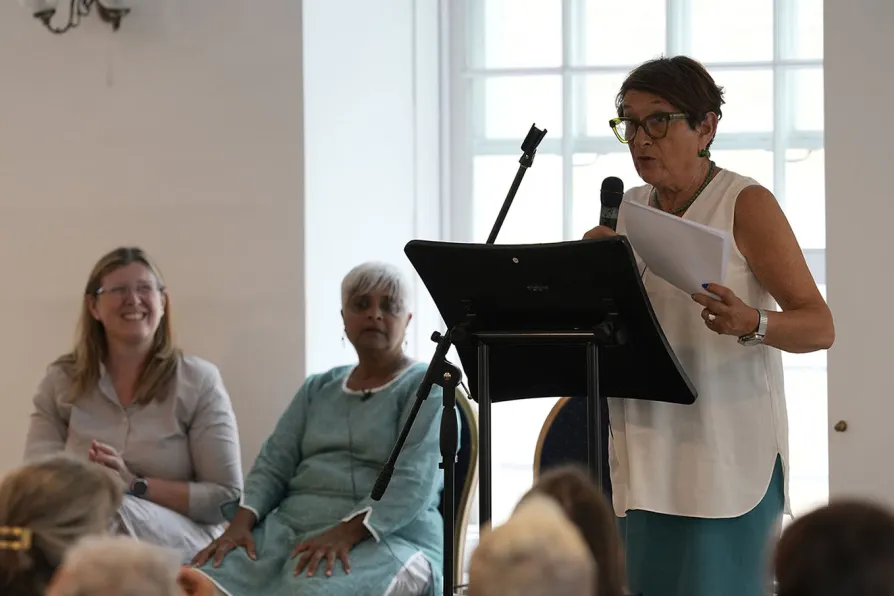
Sisters came together last weekend for the landmark launch of a new women’s group. ROS SITWELL reports