

 Latest editorial
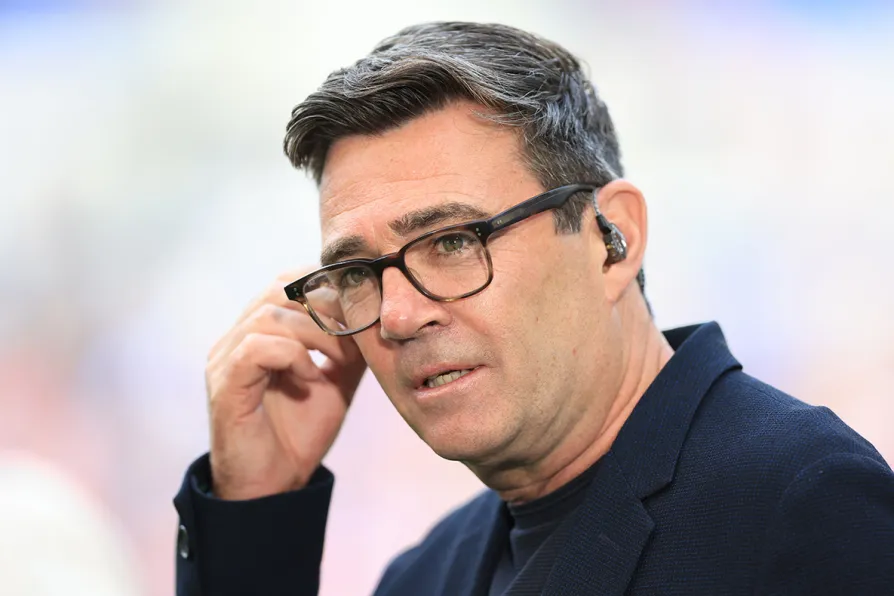


TRIBUTES poured in from across the labour and progressive movement yesterday in response to news of the death of former British Leyland convener Derek Robinson.
Dubbed “Red Robbo” by the right-wing press, he led a militant campaign against mass sackings at the nationalised car company in the 1970s and was fired after refusing to withdraw his name from a pamphlet issued by the Leyland combined committee putting a socialist alternative to the cuts demanded by BL’s management.
Leyland’s Birmingham Longbridge was the world’s largest car plant in the 1960s, the centre of an empire employing 250,000 people and taking 40 per cent of the British car industry market. But it ran into financial difficulties in the 1970s and the company was bailed out by Harold Wilson’s Labour government in 1975 — a move that would now be impossible because of EU legislation.


Four decades on, the Wapping dispute stands as both a heroic act of resistance and a decisive moment in the long campaign to break trade union power. Lord JOHN HENDY KC looks back on the events of 1986
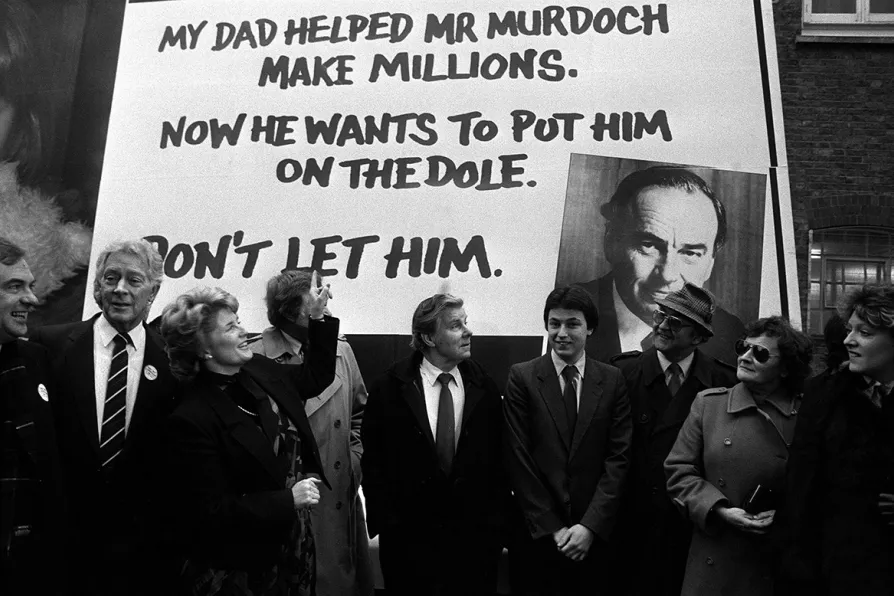
Enduring myths blame print unions for their own destruction – but TONY BURKE argues that the Wapping dispute was a calculated assault by Murdoch on organised labour, which reshaped Britain’s media landscape and casts a long shadow over trade union rights today

In part II of a serialisation of his new book, JOHN McINALLY explores how witch-hunting drives took hold in the Civil Service as the cold war emerged in the wake of WWII