A new generation of right-wing politicians have shifted from promoting deregulation to championing anti-migrant politics warns SOLOMON HUGHES


 Latest editorial

MI5 was complicit in the activities of Manchester bomber Salman Abedi
Security services were intimately involved in facilitating the travel of jihadists to Libya to overthrow Gadaffi, writes ALISON BANVILLE
 Police in Manchester following the suicide bombing by Salman Abedi last year

by the Greater Manchester Workers’ and Tenants’ Association
The US relationship with Israel has evolved into a strategic liability, argues RAMZY BAROUD
A champion motorcyclist, trade union organiser and communist, Clem Beckett went from Britain’s speedway tracks to the battlefields of Spain, where he gave his life resisting Franco’s forces at Jarama. GEOFF BOTTOMS pays tribute to this remarkable anti-fascist
The greatest threat to democracy may no longer come from political parties but from unelected tech oligarchs like Peter Thiel and his powerful Silicon Valley network, argues JOHN GREEN
Claiming to ease a fertiliser shortage, the Trump administration has suspended tariffs on Moroccan phosphate imports – deepening US support for the Morocco’s control over Sahrawi territory, writes LUKE ROTELLO


ON Thursday we had the corporate media trumpeting the “breaking news” of a report by the Intelligence and Security Committee on the “failings” of MI5 regarding the Manchester bombing.
Chair Dominic Grieve gravely announced that “MI5 moved too slowly to establish the danger posed by the bomber, Salman Abedi” and that “MI5 decided not to place travel monitoring or travel restrictions on Abedi and this allowed him to return undetected to the United Kingdom.”
“Undetected?” That’s interesting. Because the truth is that the security services, far from being apathetic in this affair, were intimately involved in facilitating the travel of British Libyans and exiled Libyans based in Manchester to Libya in 2011, the year, you might remember, when our government was making huge efforts to rid that country of Muammar Gadaffi.

Similar stories

Media Lens at 25: David Cromwell and David Edwards reflect on a quarter-century of media criticism, explaining why independent journalism is more important than ever

In the wake of Ann Widdecombe’s murder, JOHN GREEN wonders whether the government will really get to grips with the root cause of these attacks on our MPs

IAN SINCLAIR examines the curious memory lapses across liberal media when it comes to British government crimes
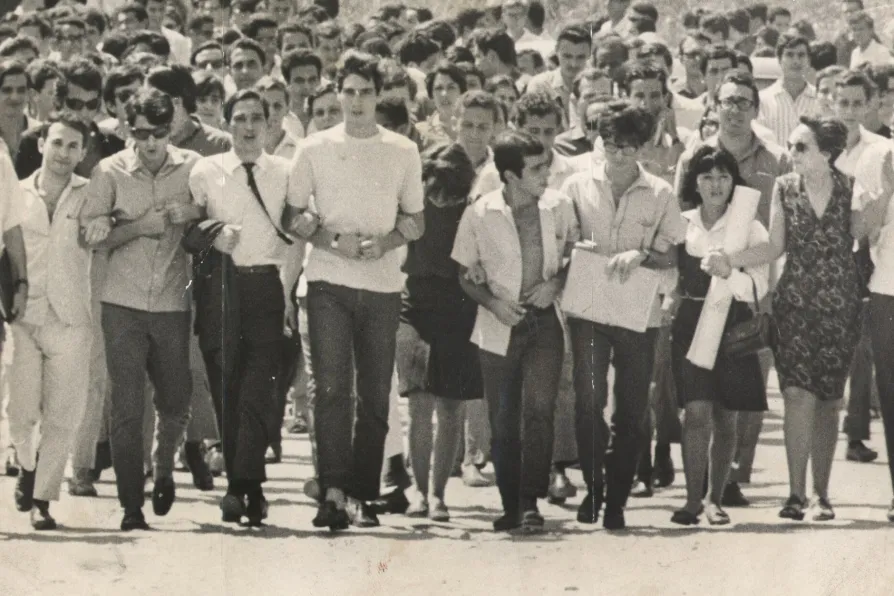
Newly revealed documents reveal that MI5 taught Brazilian secret police the techniques deployed by the 1964-85 military dictatorship in horrific prisons like Rio de Janeiro’s House of Death. SARA VIVACQUA reports