
History suggests apartheid ends not through appeals to conscience alone but through sustained economic and political pressure, says HUGH LANNING

A new project to bring sisterhood and solidarity
Young women and girls too often face a distressing reality of online hypersexuality and harassment. BEC WONDERS previews the launch of a feminist summer camp to provide a safe space for young women and girls to express themselves and their needs
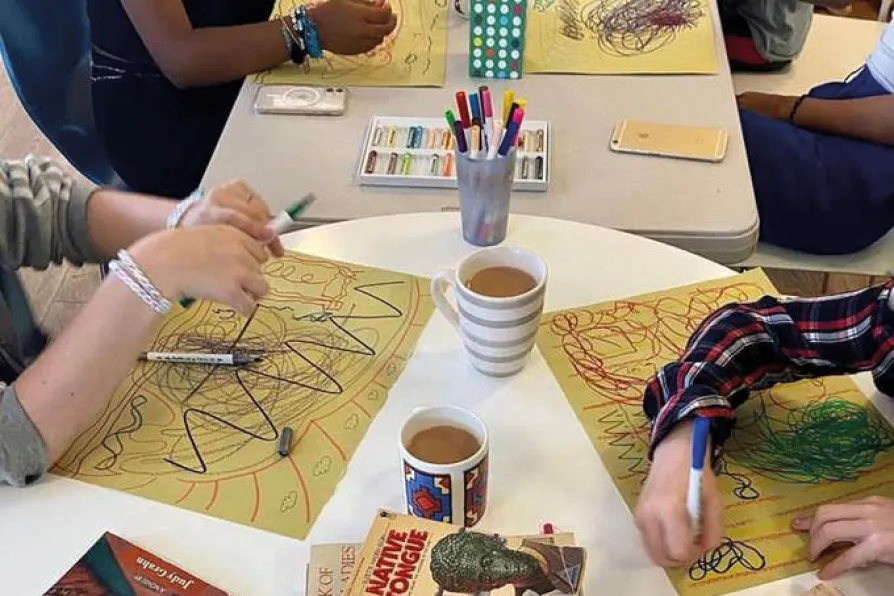
 Freeing the imagination: Bec Wonders led a session asking the Young Women's Group at Nia to imagine their feminist utopias
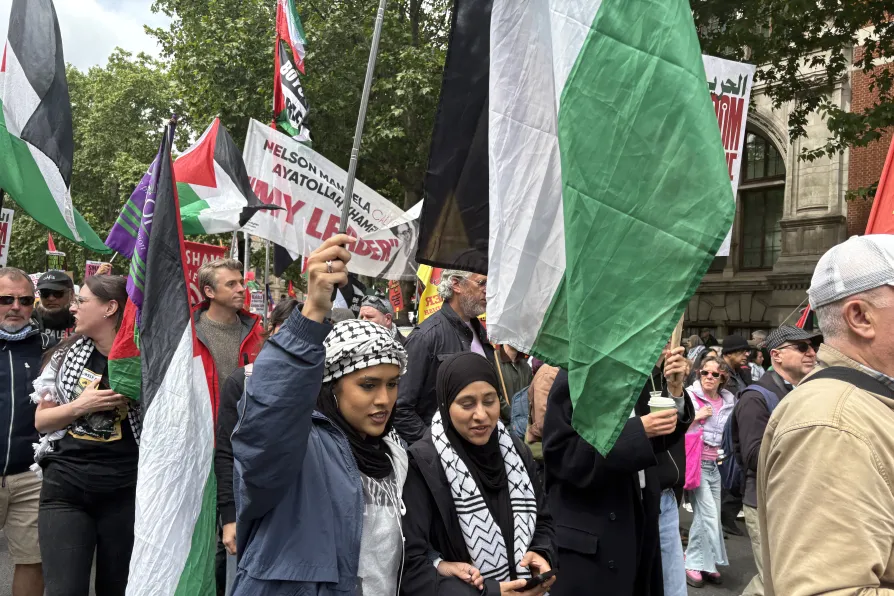
As the US marks 250 years since the Declaration of Independence, the People’s World Editorial Collective argues that the real legacy of 1776 lies not in official celebrations but in centuries of popular struggles to make democracy a reality for all
Once a source of national pride, Cuba’s healthcare system declines as energy shortages deepen crisis, writes ANDREA RODRIGUEZ
Socialists, feminists and trade unionists gathered in Manchester to launch a network committed to evidence-based activism with a renewed emphasis on class and collective struggle. ANNA BARRETT reports
By making it simpler to support workers in struggle, Strike Map’s new Solidarity Fund aims to strengthen strikes when they need it most, write ROBERT POOLE and HENRY FOWLER
Only an ambitious programme of state-led investment can restore growth and improve living standards, argues MICHAEL BURKE


WHEN we think of the trajectory of historical improvements to the status of women in society, we often conjure up a one-dimensional narrative that begins at women’s suffrage, followed by equal pay, abortion rights and anti-discrimination legislation, and finally lands in the 21st century haven of “not perfect but better than nothing” liberal ideals of equality between men and women.
Though there is some truth to this chronology, it overlooks the frustrating cycle of feminist progress: advancements for women are made after long and difficult campaigns, temporarily appeasing tired and burnt-out feminist campaigners, after which revolutionary ideals of female liberation are forgotten to the next generation, leaving room for a renewed wave of patriarchal backlash.
And the cycle repeats. Women’s gains, in other words, are not linear, and certainly never guaranteed.

Similar stories

Legal frameworks designed to safeguard women are too often weaponised against them, reinforcing male power and entrenching injustice. The FiLiA Ending MVAWG Team highlight some of the issues
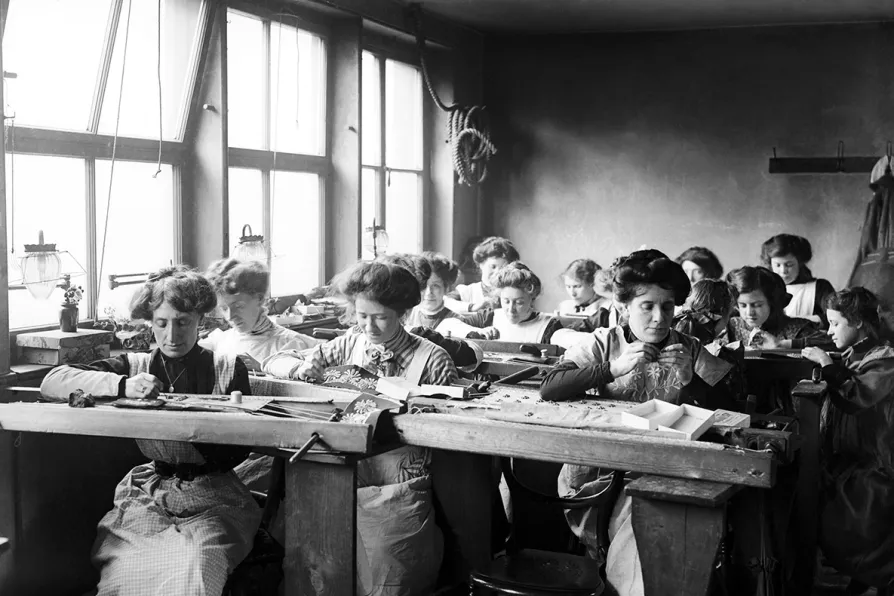
ANN HENDERSON looks at the trailblazers of the Women’s Trade Union League and their successful fight for female factory inspectors — a battle that echoes in today’s workplace campaigns
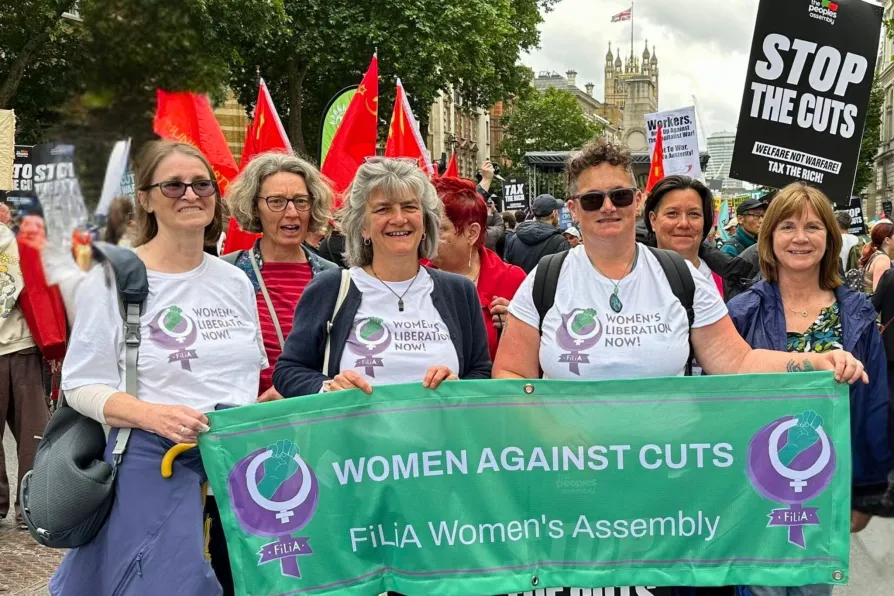
Women are a vital part of the labour movement and have much to contribute, but there’s far more to be done to make sure that our sisters’ voices are truly heard, says PHILIPA HARVEY
LYNNE WALSH reports from the Women’s Declaration International conference on feminist struggles from Britain to the Far East