IAN LAVERY MP warns that decades of neoliberal policies have left former industrial communities behind — but a renewed Labour commitment to working people could change the political landscape


North Sea oil: Britain’s squandered windfall
As Starmer seeks his ‘Falklands moment’ while planning £6 billion in welfare cuts, a historical pattern repeats itself — natural resources weaponised against the working class rather than used for their benefit, writes MATT KERR
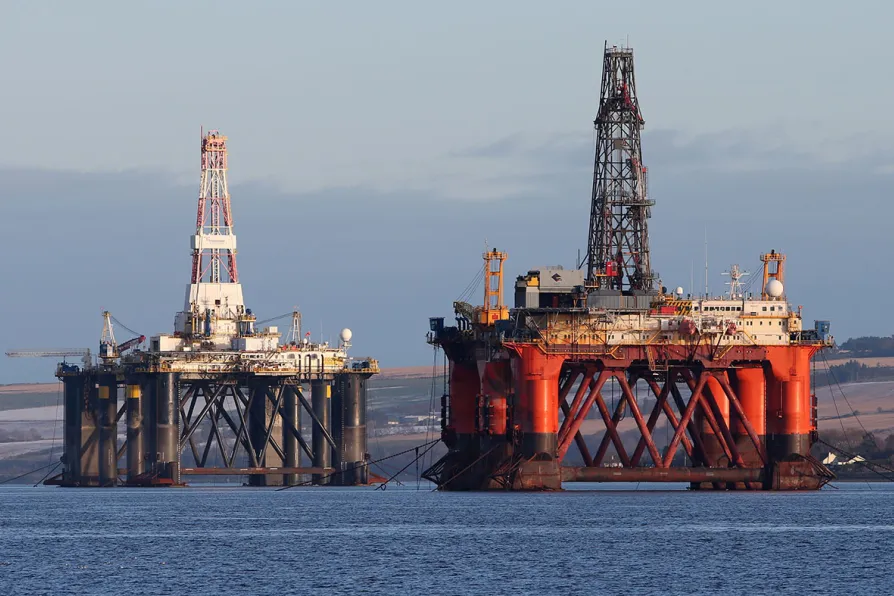
 An oil platform standing amongst other rigs that have been left in the Cromarty Firth near Invergordon in the Highlands of Scotland, February 15, 2016
PAOLO SANTALUCIA reports on how an Italian region defies US pressure to end a Cuban doctors programme
HENRY FOWLER outlines the GFTU’s new 2026-27 education programme and argues that investing in trade union education is essential to building worker power, developing leaders and strengthening collective action
We need a government that invests in saving lives not destroying them, argues SOPHIE BOLT
More expensive by weight than gold, saffron is surprisingly simple to grow. MAT COWARD explains
The public inquiry is the result of more than a decade of determined campaigning. Now, those who fought for justice want the full story of government involvement and police conduct to be told, says KATE FLANNERY
The Durham Miners’ Gala is a celebration of working-class culture, but also a call to action — to rebuild workers’ collective strength, says KIM JOHNSON MP


I’M NOT sure about luck. An island of coal, surrounded by fish, and flush with the ill-gotten gains of slavery, the British state stole a march — along with a great deal more — from the world to industrialise early and forge the rules of the great game still being played out to this day.
The discovery of North Sea oil and gas in the 1960s was heralded as being every bit as significant. The oil price “crisis” of the early seventies made it even more economical to extract, the privately owned oil majors piled in and Britain’s political class of all stripes appeared to understand the need for the state to at least have some sort of stake — if not for ideological reasons, for reasons of national security.
It should now be plain to see that the gold rush ended in the way every one before it did, with the rich richer, and the poorest left wandering the land scavenging for something to cash in at the scrappy. Great machines, monstrous rigs that made millionaires and billionaires towed in to join the queue for the gas axe.

Similar stories

After battling hills, rain and injury in a three-day cycle ride ending at the CWU conference, MATT KERR reflects on why class unity remains the answer to injustice

In the run-up to the Communist Party congress in November ROB GRIFFITHS outlines a few ideas regarding its participation in the elections of May 2026