While international actors discuss governance and reconstruction, Netanyahu has made it clear that Israel has no intention of ending its military occupation, says RAMZY BAROUD


 Latest editorial
Opposing Ofcom’s ban on China’s English-language TV channel is defending free speech
Veteran journalist John Pilger and film-makers Oliver Stone and Ken Loach among signatories to open letter calling for Britain to reverse ban on Chinese state broadcaster
NICK WRIGHT continues his series analysing the trends in European politics
We have the alternative economics, histories of our struggles and the confidence to change the world
General Federation of Trade Unions assistant general secretary HENRY FOWLER reports on the final day from the GFTU’s residential Summer School at the Workers’ Retreat, Quorn Grange Hotel
Capitalism has exploited — and polluted — our natural resources for too long, it’s time we treated our rivers as living beings, writes MIRIUM GAUNTLETT, LIAM SHAW and ROX MIDDLETON
Treating the Clacton by-election as a joke risks reinforcing the Reform leader’s claim to be the victim of an out-of-touch Establishment, argues JOHN McINALLY
MPs and others called for the urgent release of tortured Palestinian doctor, Hussam Abu Safiya, held hostage by Israel and reportedly near death, reports LINDA PENTZ GUNTER


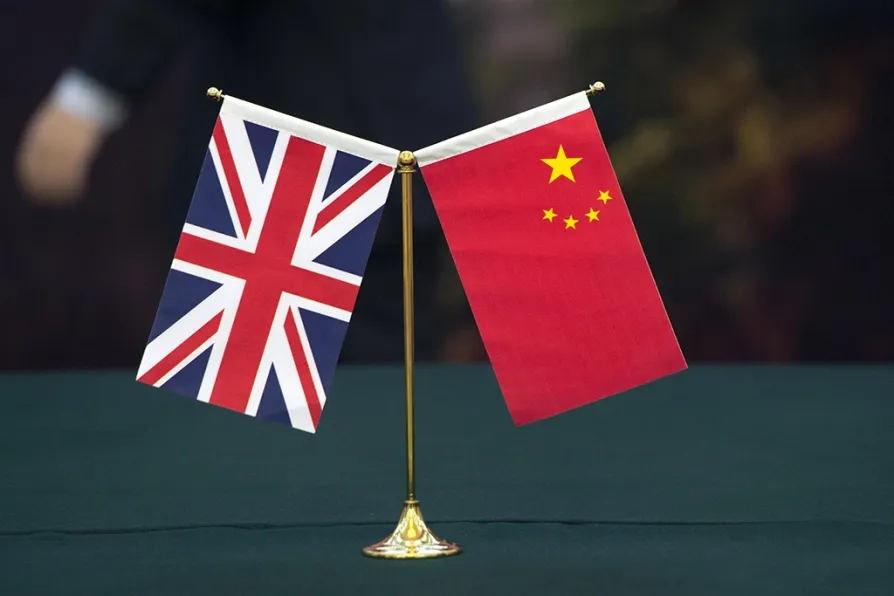
THE DECISION by Ofcom to remove the broadcasting licence of CGTN is an act of censorship which is not in the interests of Britain and its people. It is well known, and publicly acknowledged, that CGTN is a Chinese state broadcaster and viewers can therefore take this into account in judging its services and broadcasts. As a state television broadcaster, CGTN’s status is similar to that of the BBC, France Televisions, NHK (Japan), and others.
Ofcom’s justification for taking CGTN off air is that any holder of a broadcasting licence in Britain must not be controlled by political bodies. However, this law is only selectively applied. Numerous private and state channels have clear political agendas or control — the BBC itself, for example, which had its staff vetted by MI5, has not had its broadcasting licence revoked.
This attack on free speech also takes place in the context of the threat of a new cold war against China. At such a moment, it is crucial to build mutual understanding between peoples and also to accurately comprehend the positions of the chief actors in the global situation. Denying a voice to China’s CGTN hampers this.

Similar stories
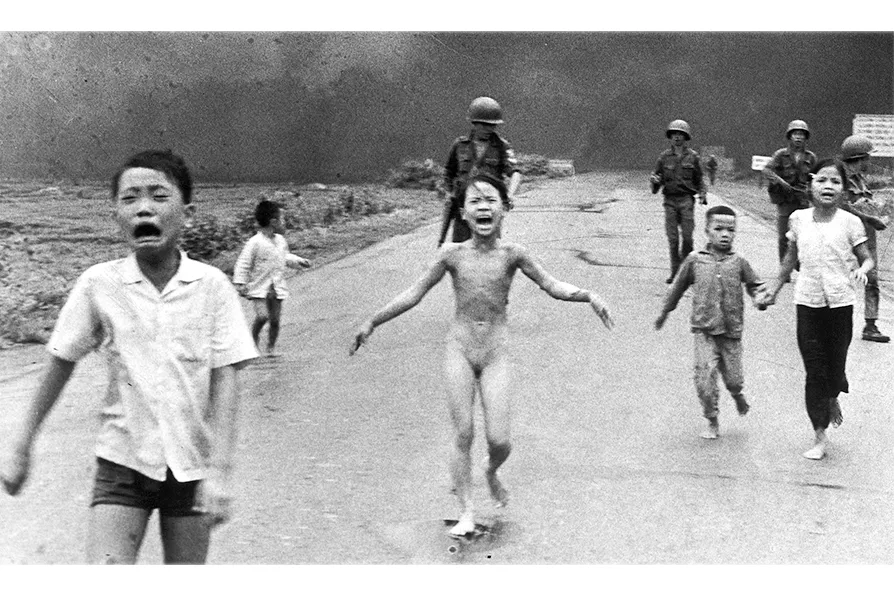
If true, the photo’s history is a damning indictment of the systematic exploitation of non-Western journalists by Western media organisations – a pattern that persists today, posit KATE CANTRELL and ALISON BEDFORD

On January 2 2014, PJ Harvey used her turn as guest editor of the Today programme to expose the realities of war, arms dealing and media complicity. The fury that followed showed how rare – and how threatening – such honesty is within Britain’s most Establishment broadcaster, says IAN SINCLAIR

A chance find when clearing out our old office led us to renew a friendship across 5,000 miles and almost nine decades of history, explains ROGER McKENZIE