While international actors discuss governance and reconstruction, Netanyahu has made it clear that Israel has no intention of ending its military occupation, says RAMZY BAROUD


 Latest editorial
People’s China at 75
KEITH BENNETT surveys the People’s Republic’s first 75 years arguing that the vast changes rest on an essential continuity
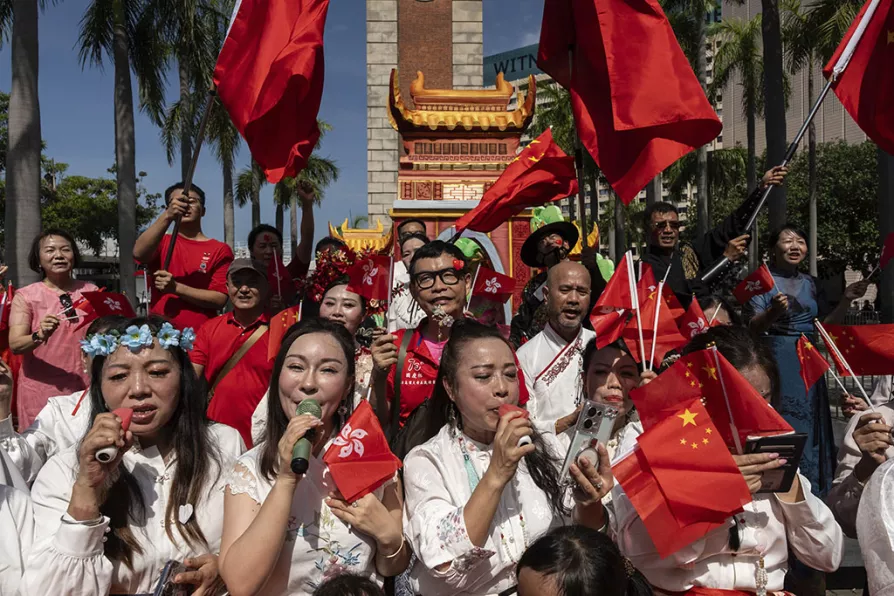 People celebrate the anniversary of the founding of the People's Republic of China today in its special administrative region of Hong Kong, which was not freed from British rule until 1997

NICK WRIGHT continues his series analysing the trends in European politics
We have the alternative economics, histories of our struggles and the confidence to change the world
General Federation of Trade Unions assistant general secretary HENRY FOWLER reports on the final day from the GFTU’s residential Summer School at the Workers’ Retreat, Quorn Grange Hotel
Capitalism has exploited — and polluted — our natural resources for too long, it’s time we treated our rivers as living beings, writes MIRIUM GAUNTLETT, LIAM SHAW and ROX MIDDLETON
Treating the Clacton by-election as a joke risks reinforcing the Reform leader’s claim to be the victim of an out-of-touch Establishment, argues JOHN McINALLY
MPs and others called for the urgent release of tortured Palestinian doctor, Hussam Abu Safiya, held hostage by Israel and reportedly near death, reports LINDA PENTZ GUNTER


ALTHOUGH China was the world’s biggest economy for most of the last two millennia, since Britain launched the first Opium War in 1839, the country was reduced to a semi-colonial, semi-feudal society. Not for nothing is the ensuing period known by the Chinese as the “century of humiliation,” marked by unequal treaties, foreign aggression, civil wars and ultimately a victorious revolution.
When the People’s Republic of China was founded in 1949, China was one of the poorest societies on Earth. Illiteracy was as high as life expectancy was low.
The subsequent political trajectory of the People’s Republic essentially falls into two distinct phases, the second commencing with the launch of the policy known as “reform and opening up” from the end of 1978.

Similar stories
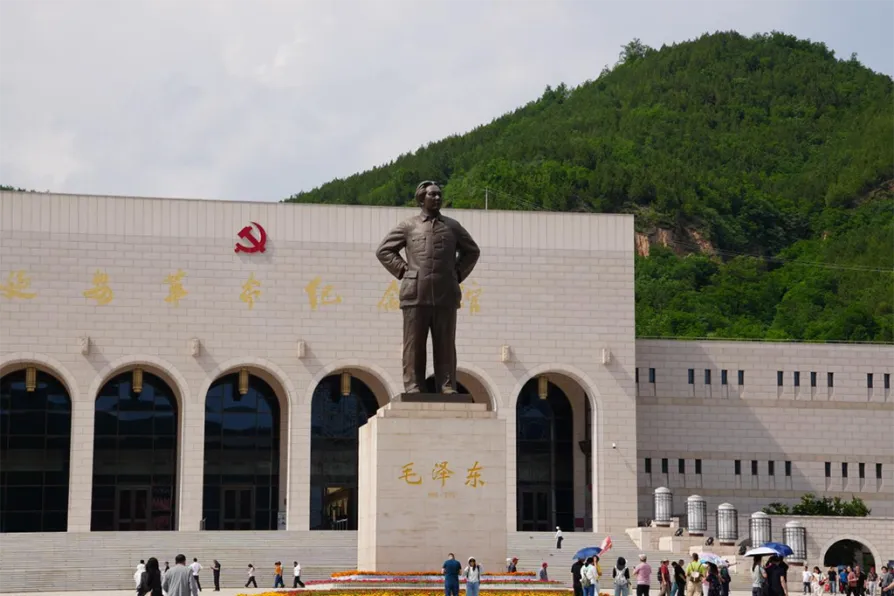
The world’s largest communist party marked its 105th birthday this week — and remains true to its principles and firm in its course, says OLIVER VARGAS
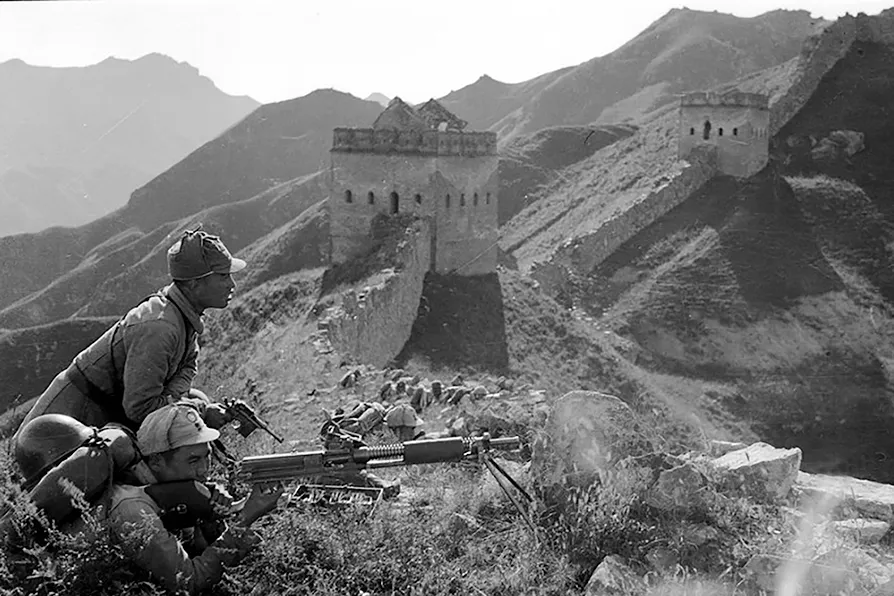
In Part 4 of her look at the Chinese revolution JENNY CLEGG addresses the relationship between the Peasant Movement and the National Movement
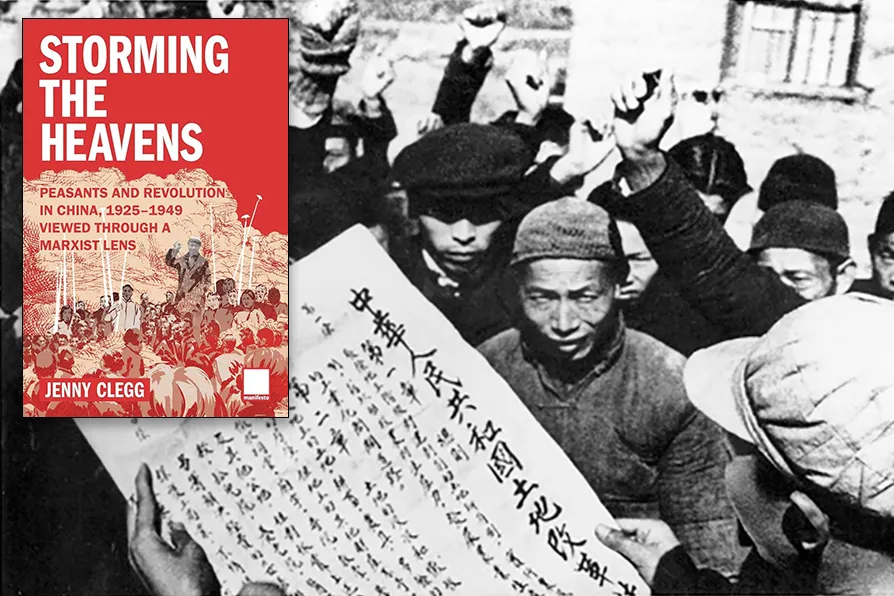
BEN CHACKO welcomes a masterful analysis that puts class struggle back at the heart of our understanding of China’s revolution
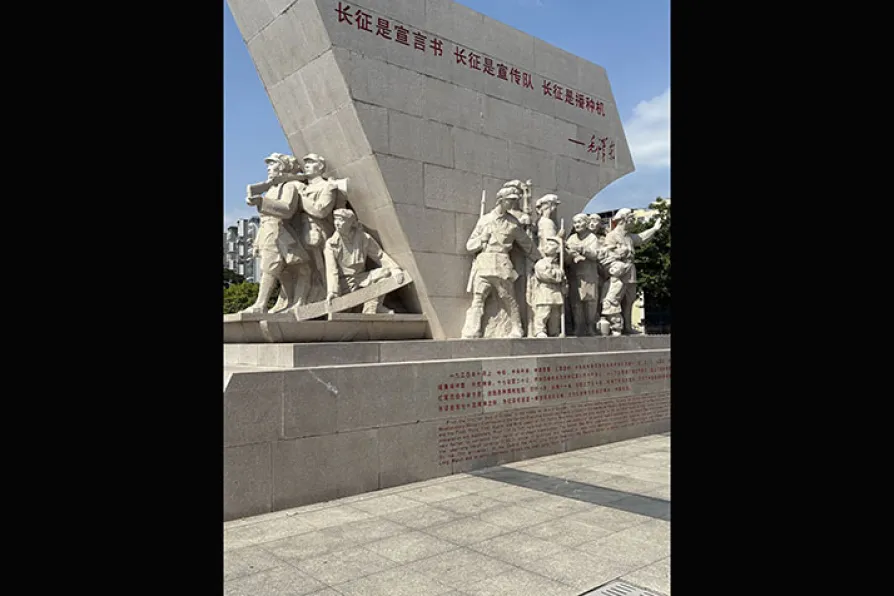
STEPHEN BELL reports from a delegation that traced the steps of China’s socialist revolution from its first modest meetings to the Red Army’s epic 9,000km battle to create the modern nation that today defies every capitalist assumption