When the ravages of Alzheimer’s leave an elderly woman marooned in painful memories of October 1950, her grandchild comes up with a creative strategy.


 Latest editorial
In praise of Studio Ghibli’s environmental education... for children and adults
YUAN PAN argues that at a time of acute climate crisis these animations focus on intrinsic commonalities help imagine fairer, more equal societies that live in harmony with nature
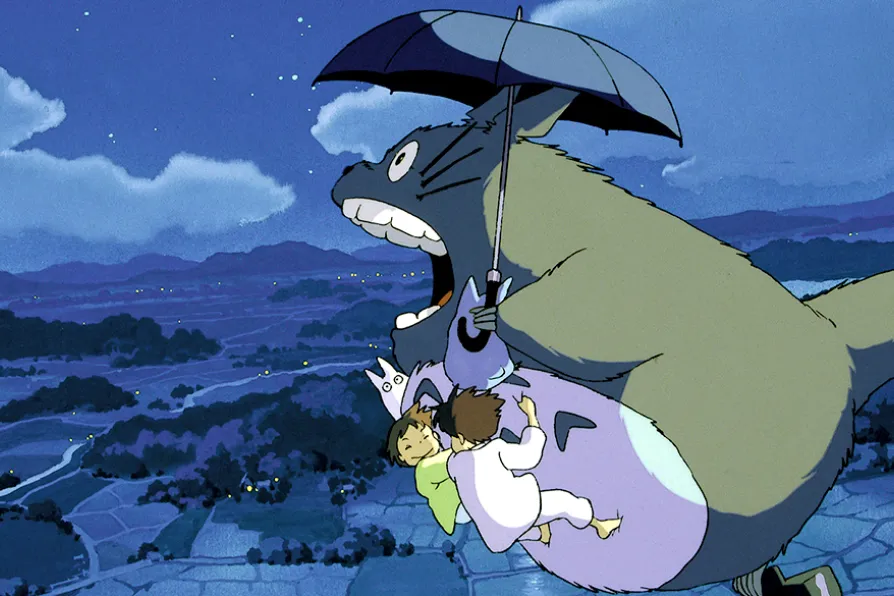 My Neighbour Totoro
[OMDb]
My Neighbour Totoro
[OMDb]
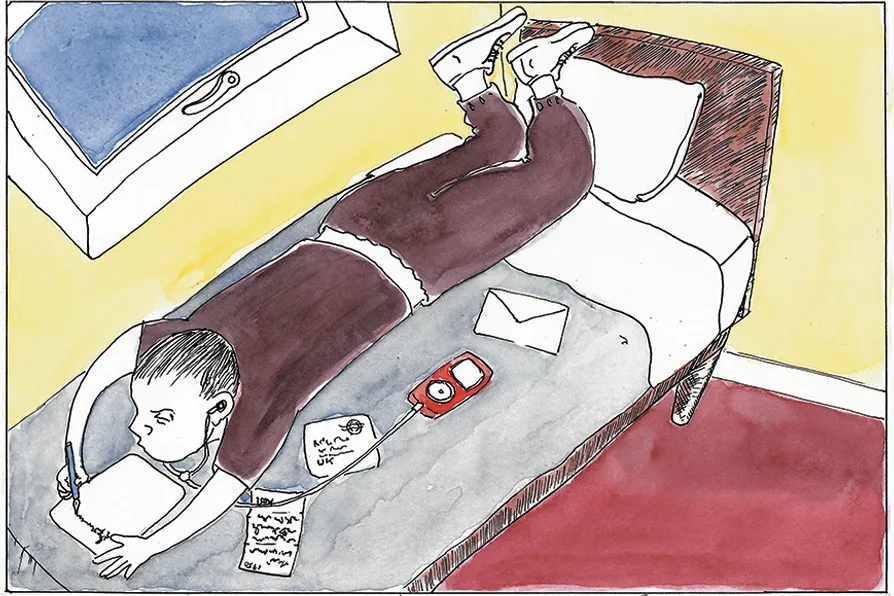
New releases from Simone White, Brass Funkeys, and Souad Massi
SUE TURNER is compelled by a history that shows how far a country can turn in on itself to collude with abuses of power
RON JACOBS is persuaded by the parallel drawn between Charles Manson and Donald Trump
In this comparison of Britain pre- and post Thatcher, WILL POMORE applauds the analysis, but distrusts the solutions offered
MARIA DUARTE defends a solid, late-career Spielberg conspiracy flick that calls for empathy in a hostile world


FILMS with powerful environmentally centred narratives can transform our thinking and connect us with nature in ways that scientific papers cannot. For example, Studio Ghibli, a renowned Japanese film studio co-founded by animator Hayao Miyazaki, creates complex visual stories about human-nature relationships that transcend barriers of culture or age. A key message of Miyazaki’s work is that we must respect nature — or face our own destruction.
Miyazaki’s films offer viewers moments of escape into fantastical worlds that nonetheless echo problems of modernity, demonstrating that it’s possible to portray complex environmental issues through animation in a way that retains mainstream appeal.
As a conservation scientist and Studio Ghibli enthusiast, I’ve looked at the environmental themes in three of its most well-known films: Nausicaa of the Valley of the Wind (1984), My Neighbour Totoro (1988) and Princess Mononoke (1997).

Similar stories

LEO BOIX, ANDY HEDGECOCK and MARIA DUARTE review Dreamers, It Was Just An Accident, Folktales, and Eternity
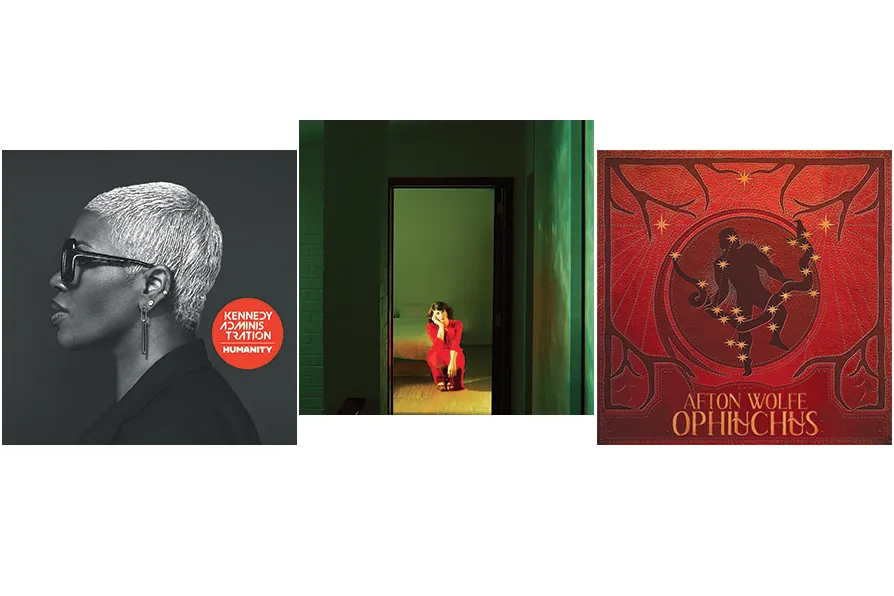
New releases from Kennedy Administration, Melanie Pain, and Afton Wolfe
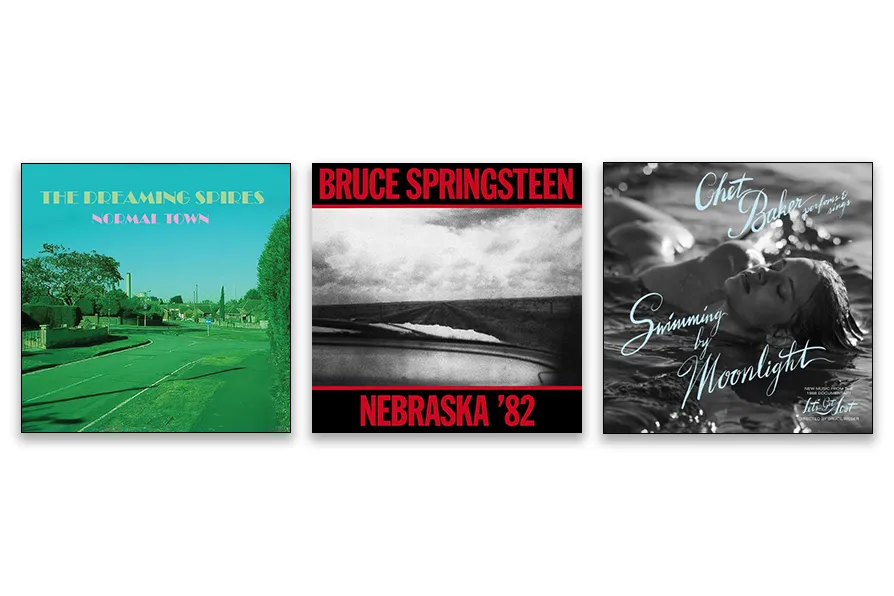
New releases from The Dreaming Spires, Bruce Springsteen, and Chet Baker

The Star's critics ANGUS REID, MICHAL BONCZA and MARIA DUARTE review Hot Milk, An Ordinary Case, Heads Of State, and Jurassic World Rebirth