
History suggests apartheid ends not through appeals to conscience alone but through sustained economic and political pressure, says HUGH LANNING

A resurgent union, committed to free expression
Without a free press, democracy dies, says NUJ general secretary MICHELLE STANISTREET
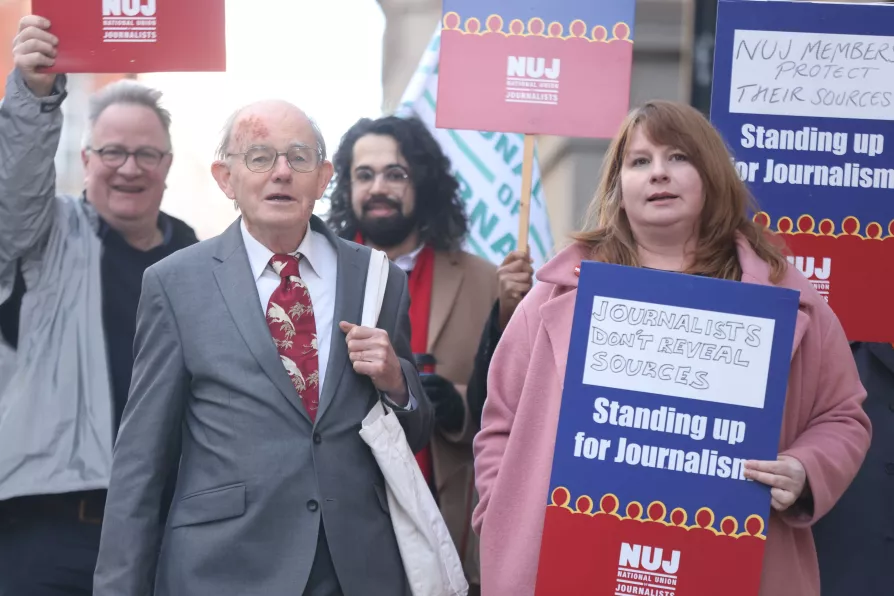
 Michelle Stanistreet (right) with former MP Chris Mullin. The union helped his successful fight to prevent West Mercia Police forcing him to reveal his sources

As the US marks 250 years since the Declaration of Independence, the People’s World Editorial Collective argues that the real legacy of 1776 lies not in official celebrations but in centuries of popular struggles to make democracy a reality for all
Once a source of national pride, Cuba’s healthcare system declines as energy shortages deepen crisis, writes ANDREA RODRIGUEZ
Socialists, feminists and trade unionists gathered in Manchester to launch a network committed to evidence-based activism with a renewed emphasis on class and collective struggle. ANNA BARRETT reports
By making it simpler to support workers in struggle, Strike Map’s new Solidarity Fund aims to strengthen strikes when they need it most, write ROBERT POOLE and HENRY FOWLER
Only an ambitious programme of state-led investment can restore growth and improve living standards, argues MICHAEL BURKE


AT THE beginning of next month, the NUJ with the Society of Editors will launch The Journalists’ Safety Toolkit. It is an app that provides regularly updated information for reporters and photographers who feel themselves in danger.
Delighted as I am to provide such a resource for our members, the need for it is the cause of the deepest concern.
The working assumption of the labour movement for the past half-century has been that work is becoming progressively safer — and it is trade unions who have led on that work and deserve much of the credit for advances made.

Similar stories
![[Pic: Andrew Wiard]](https://morningstaronline.co.uk/sites/default/files/styles/desktop/public/2026-01/19860406_a_wiard_0001.jpg.webp?itok=d2RMNwWw)
LAURA DAVISON traces how Murdoch’s mass sackings, political deals and legal loopholes shattered collective bargaining 40 years ago – and how persistent NUJ organising, landmark court victories and new employment rights legislation are finally challenging that legacy
![[Pic: Andrew Wiard]](https://morningstaronline.co.uk/sites/default/files/styles/desktop/public/2026-01/19860330_a_wiard_0001JPG.jpg.webp?itok=nkzZbinE)
As advertising drains away, newsrooms shrink and local papers disappear, MIKE WAYNE argues that the market model for news is broken – and that public-interest alternatives, rooted in democratic accountability, are more necessary than ever

Digital ID means the government could track anyone and then limit their speech, movements, finances — and it could get this all wrong, identifying the wrong people for the wrong reasons, as the numerous digital cockups so far demonstrate, warns DYLAN MURPHY
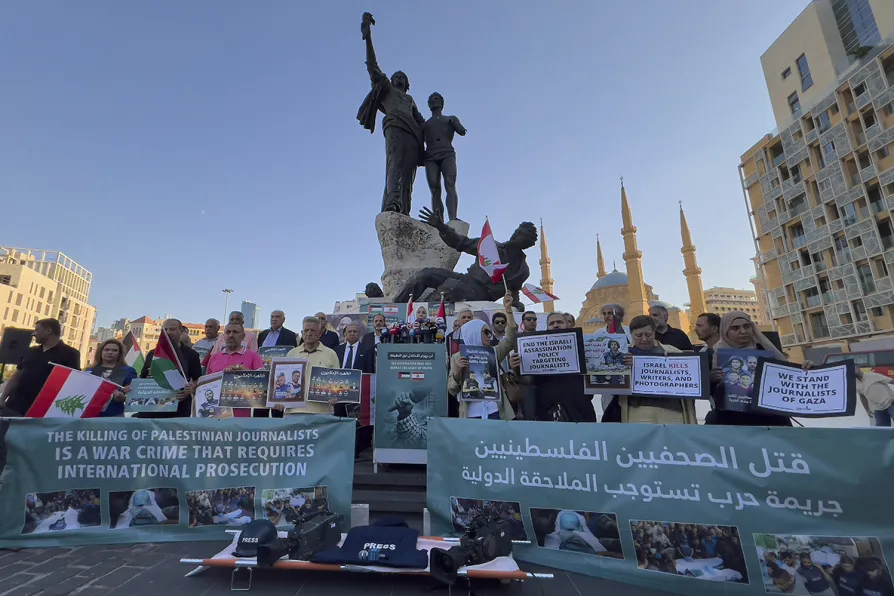
Speaking to the Morning Star’s Ceren Sagir, general secretary of the National Union of Journalists LAURA DAVISON outlines the threats to journalism from Palestine to Britain, and the unique challenges confronting the industry through the rise of AI