The World Cup, Olympics and rise of sports betting reveal how the playing field is increasingly shaped by power and inequality, writes DENNIS BROE


 Latest editorial
‘Hand of God’ ball goes under the hammer
ASIF BURHAN discusses Maradona’s infamous goal ahead of the auction of the ball from the 1986 World Cup quarter finals match itself
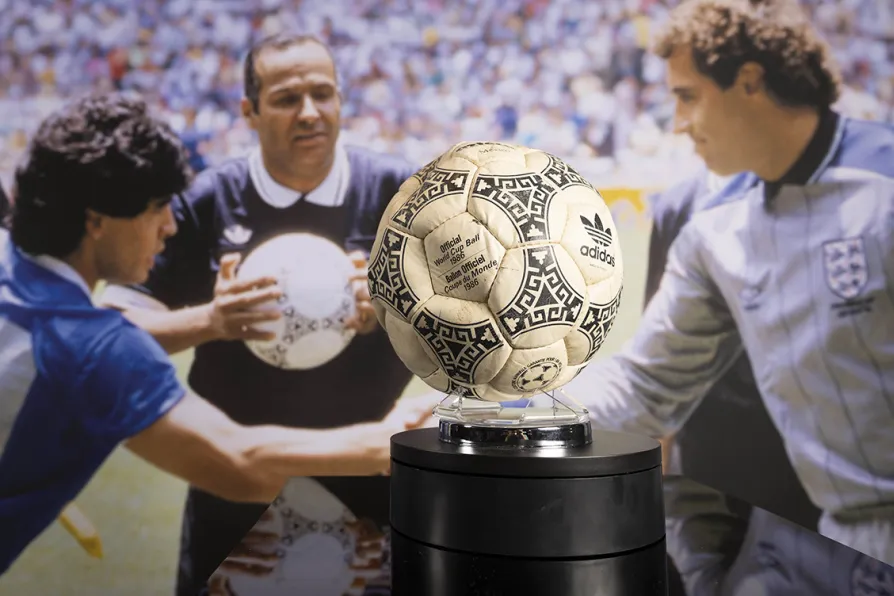 of the football used by Maradona to score the 'hand of God' goal at the 1986 World Cup quarter final between Argentina and England being displayed at Wembley ahead of its auction later this month
Snippets of news from the sporting world with JAMIE J


SIX MONTHS after the shirt worn by Diego Maradona during the notorious 1986 World Cup quarter-final was sold for £7.1 million, the football used during the same match has been put up for auction by Graham Budd Auctions Ltd and is expected to fetch between £2.5 and 3 million as part of a collection of World Cup memorabilia being offered for sale over the next two weeks.
The ball is being auctioned by the referee from the game, Tunisian Ali Bin Nasser, who infamously failed to spot that Maradona handled the ball past Peter Shilton for the first goal, which has became known as the “Hand of God.”
Immediately after the game, Bin Nasser claimed possession of the ball, which he asked the three other officials from the game, Bogdan Dotchev, Berny Ulloa and Idrissa Traore to sign, and has kept it at his home in Tunisia until now.

Similar stories
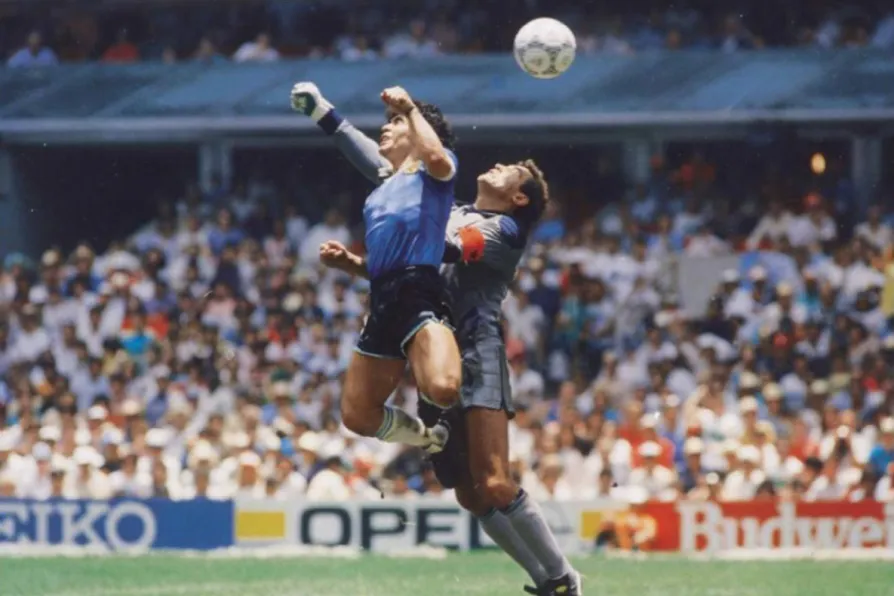
ASIF BURHAN explores why England v Argentina remains football’s most politically and culturally charged fixture in his new book
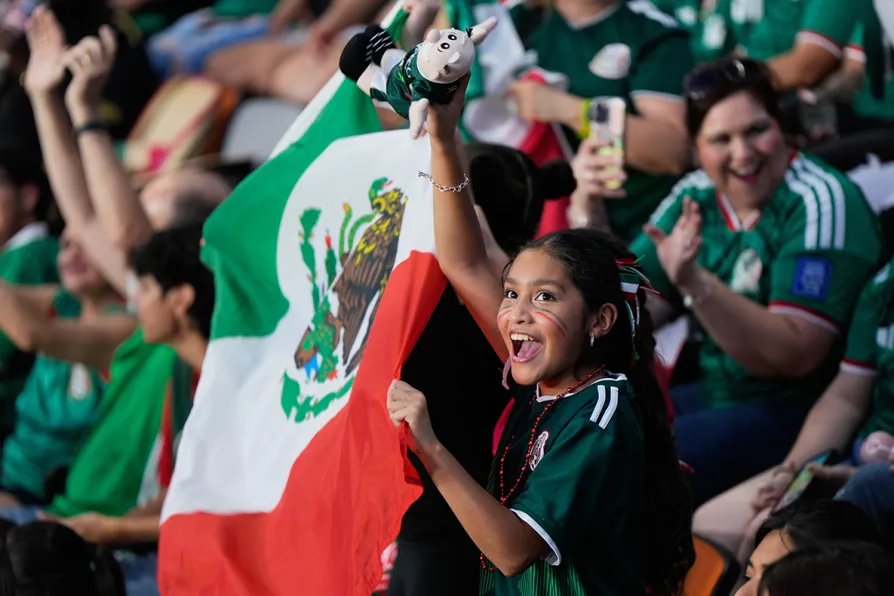
England survived a thrilling Azteca encounter, but the stadium and its supporters created one of the tournament’s defining nights, writes JAMES NALTON
Football may not solve the working class’s problems, but it does matter — and politicians know it, writes BERT SHOUWENBURG