

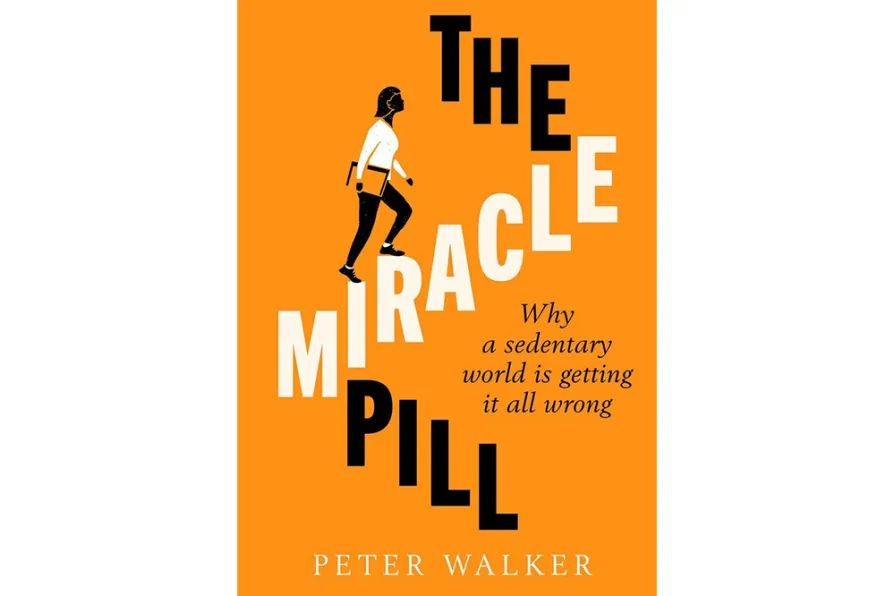
 The Miracle Pill by Peter Walker
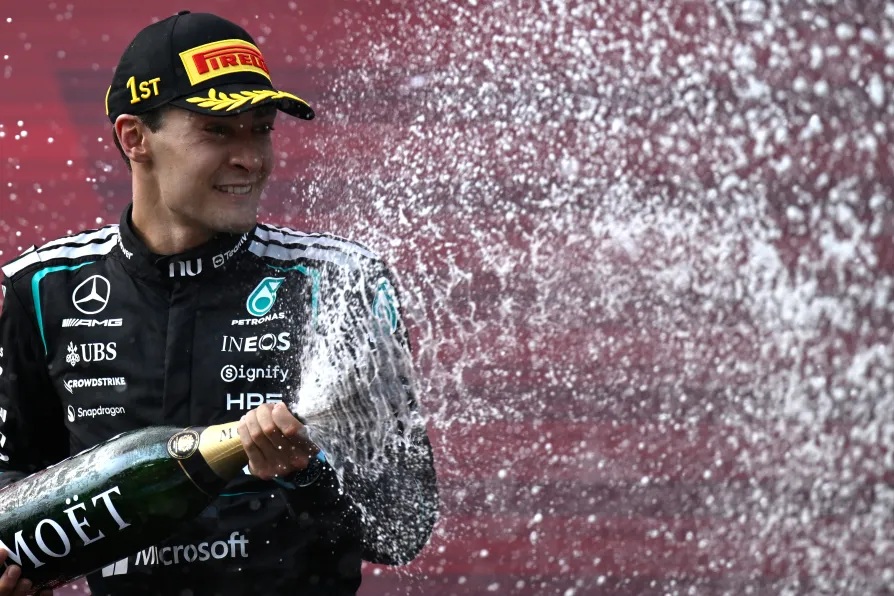
From Beat poets and music festivals to anti-Ice campaigners and new Arsenal ink, LAYTH YOUSIF continues his exploration of a city where community still matters


WAY back when, during the first lockdown, March ’20, Jonathan Liew wrote a brilliant column on small sport versus big sport. What Jonathan meant by “big sport” was what we watch on the TV. And “small sport?” What we do, a jog, a bike ride, a workout session via Youtube, can be done on our own, non-competitive, little or no kit required, cheap.
It is “small sport” that has persisted through the pandemic while “big sport” has been cancelled, postponed, threatened with financial oblivion.
As a handbook for these curious conditions read Jurgen Martschukat’s timely The Age of Fitness. His argument is that the obsession with individual performance via “small” sport is emblematic of neoliberalism. Does the potential exist for a sporting counterculture? Yes, but first we have to understand sport cannot be reduced to a simple binary opposition, big bad sport v good small sport.

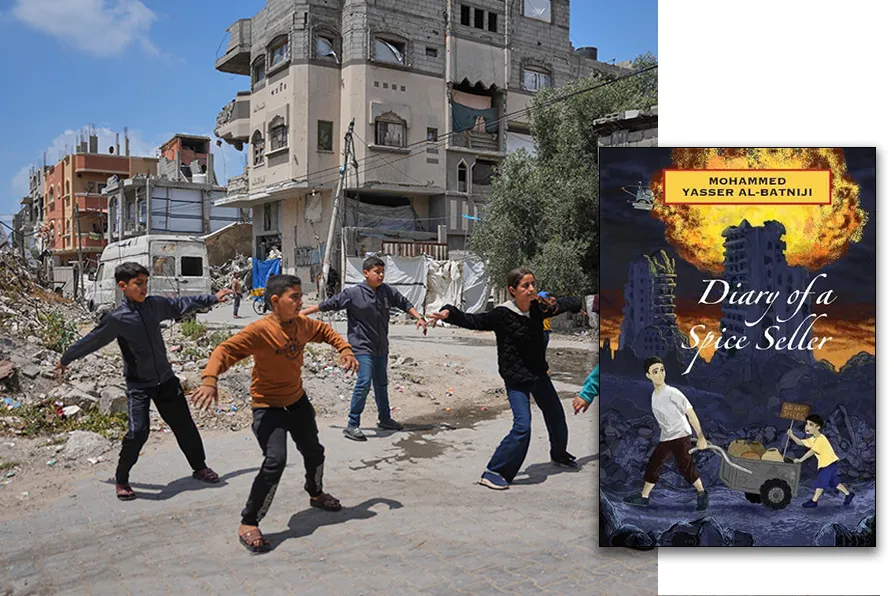
RUTH AYLETT recommends that this mixture of memoir, diary and poetry by a young Gazan writer be read as widely as possible
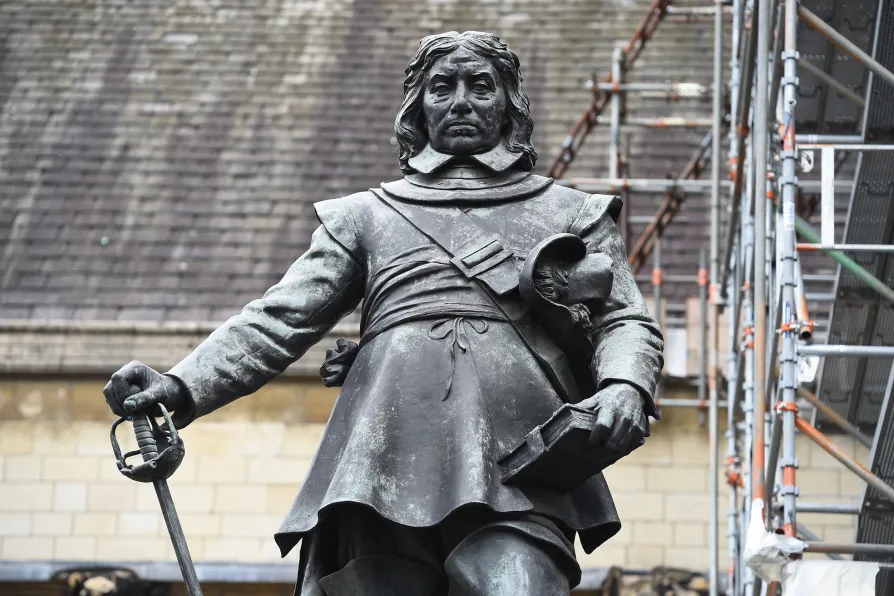
The selection, analysis and interpretation of historical ‘facts’ always takes place within a paradigm, a model of how the world works. That’s why history is always a battleground, declares the Marx Memorial Library
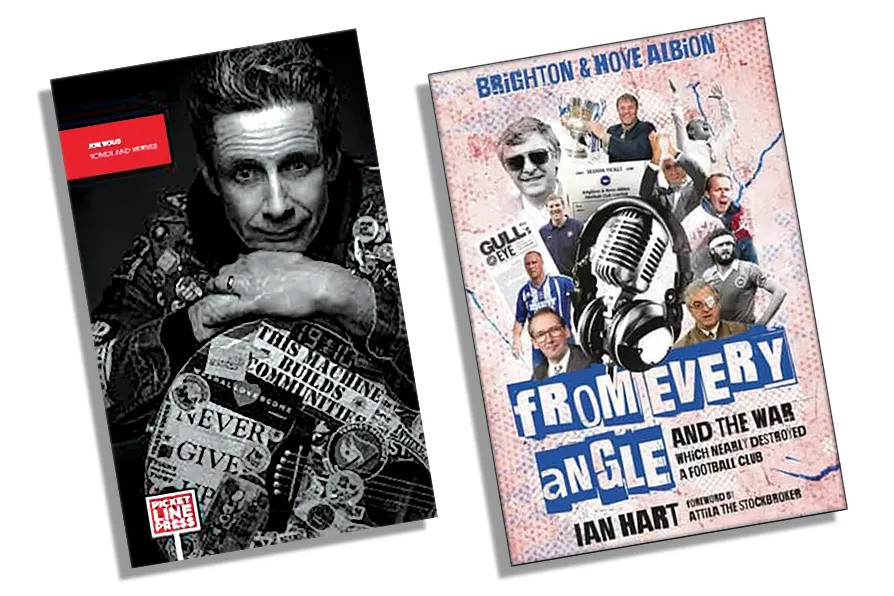
Two inspring books — that’s your New Year’s musing from me on January 2 2026
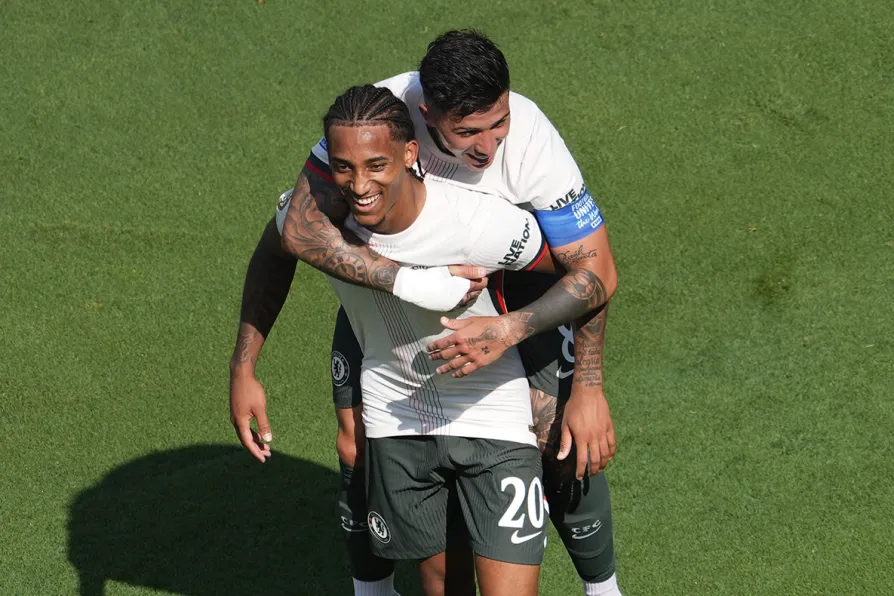
Joao Pedro’s emotional goals against Fluminense captured the magic of an international club competition. But even as fans bring colour and passion, the Club World Cup’s deeper issues loom large, writes JAMES NALTON