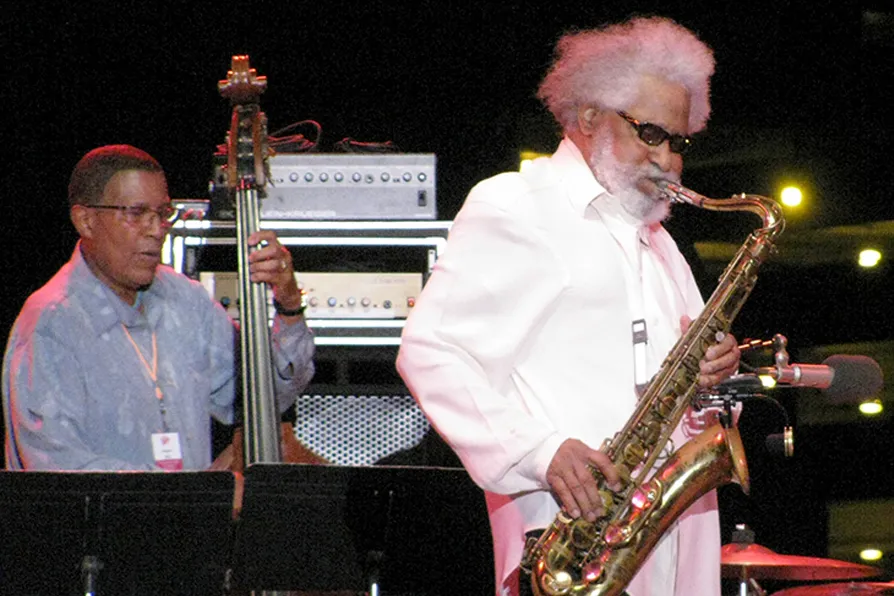
RICHARD WORTH relishes the fleeting moment and sense of flow of the late, great saxophonist


 Latest editorial
The skewed focus of the Stirling Prize
While applauding the emphasis on re-use, ROBERT GROVER examines the elitist bias of the prize towards south-east England
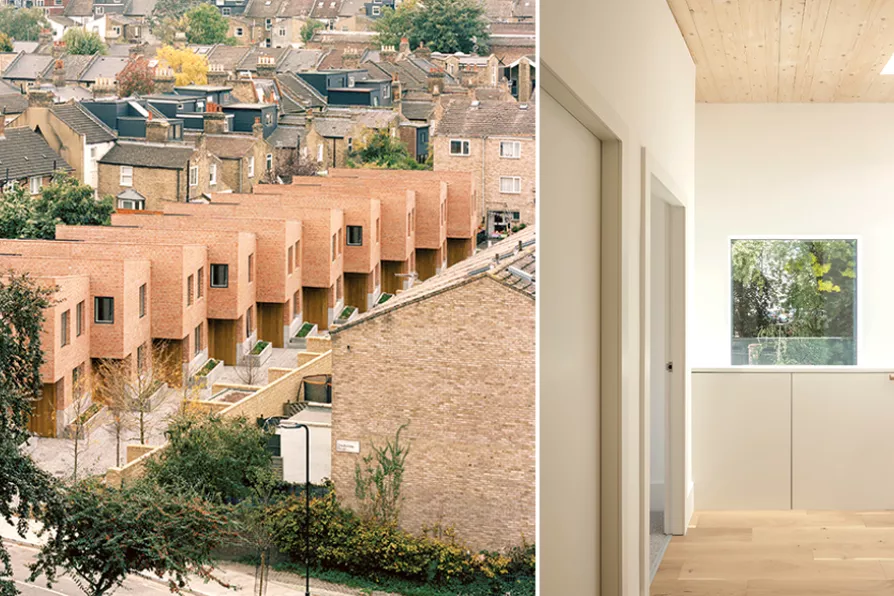 COMFORT FOR THE MANY: Our vote (not that we have one) goes to Chowdhury Walk, a part of an ambitious programme of new generation council homes by Hackney Council, London. An infill development of 11 houses that stands between two existing terraces and their gardens, on a plot previously occupied by garages and ad hoc car parking - spectacular!
[Rory Gardiner]
COMFORT FOR THE MANY: Our vote (not that we have one) goes to Chowdhury Walk, a part of an ambitious programme of new generation council homes by Hackney Council, London. An infill development of 11 houses that stands between two existing terraces and their gardens, on a plot previously occupied by garages and ad hoc car parking - spectacular!
[Rory Gardiner]
DENNIS BROE notes the thin, unfunny and apolitical quality of the gruel dished up by the US networks and studios for mass consumption
BARBARA BOSWELL remembers South African poet, storyteller, publisher, editor and activist Diana Ferrus (1953-2026)
HELEN VASSALLO recommends a gripping Argentinian crime story about gender violence and the weaponisation of religion
New releases from Steve Swallow, Neil Young & The Chrome Hearts, and Ady Johnson
When the ravages of Alzheimer’s leave an elderly woman marooned in painful memories of October 1950, her grandchild comes up with a creative strategy.
New releases from Simone White, Brass Funkeys, and Souad Massi


THE Stirling Prize is awarded every year by the Royal Institute of British Architects (RIBA) for the UK’s best new architecture. This year’s six-project shortlist includes only one new building. The rest is made up of a masterplan outlining the placement of buildings and streets around Kings Cross, London Underground’s Elizabeth Line and three other projects that work extensively with existing structures.
Since its inception in 1996, we have seen success move from high-profile civic buildings, museums, galleries and libraries to works that move towards a wider definition of architectural quality, which includes residential development and community spaces.
In the last 10 years, winners have included a social housing project (2019), a community-owned pier (2017) and a school (2015), as well as the more usual mix of cultural and university buildings. This reflects the renewed ethical consciousness of the profession, struggling to assert itself in the context of a climate emergency, the tragic Grenfell tower fire and marginalisation in the construction process as the traditional role of the architect is replaced by developers, builders or new technologies.

Similar stories

One of the major criticisms of China’s breakneck development in recent decades has been the impact on nature — returning after 15 years away, BEN CHACKO assessed whether the government’s recent turn to environmentalism has yielded results

ANDREW FILMER welcomes the reopening of Glasgow’s landmark theatre after a seven-year transformation

BLANE SAVAGE recommends the display of nine previously unseen works by the Glaswegian artist, novelist and playwright
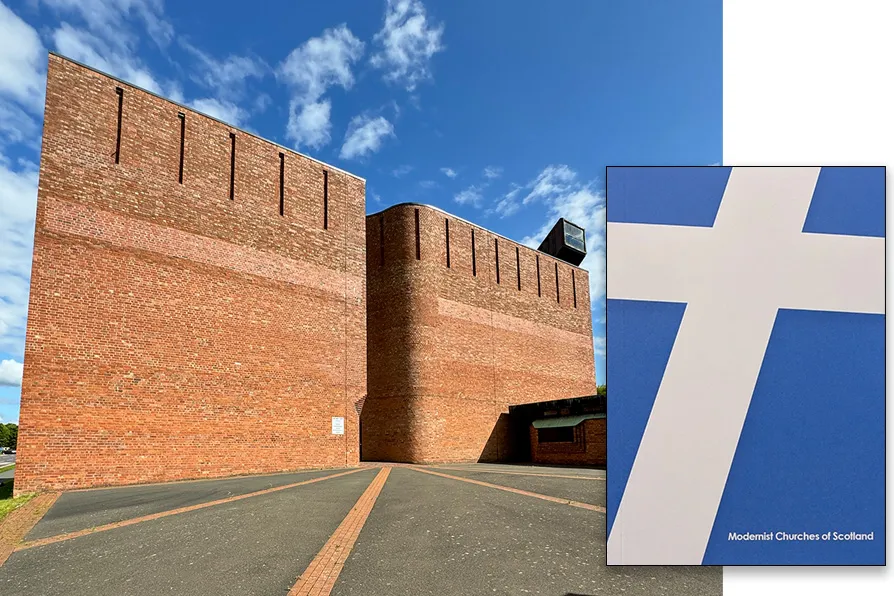
HENRY BELL notes the curious confluence of belief, rebuilding and cheap materials that gave rise to an extraordinary number of modernist churches in post-war Scotland