

 Latest editorial
 Spanish Prime Minister Pedro Sanchez



SPAIN today passed labour reforms hailed by its communist Employment Minister Yolanda Diaz as the “beginning of the end of labour market anomalies involving temporary and precarious work.”
Prime Minister Pedro Sanchez’s cabinet adopted the labour legislation on the same day his budget — the biggest-spending in Spain’s history — passed in the Senate.
It revokes 2012 “reforms” that cut redundancy pay and limited the rights of trade unions, and restores sectoral collective bargaining in law.

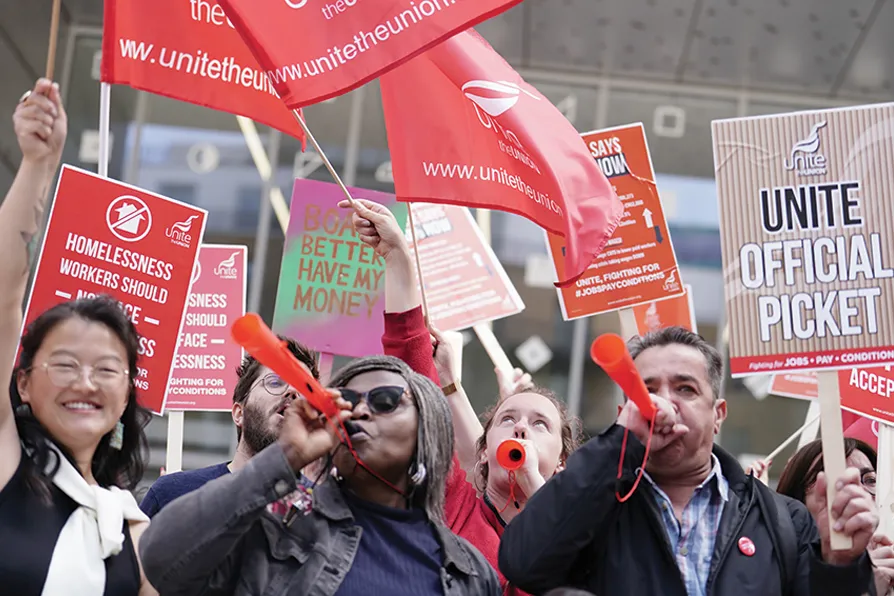
The unions are unhappy with the Employment Rights Act 2025 and with good reason. KEITH EWING and Lord JOHN HENDY KC take a close look at why the Bill promised more than it delivered

CJ ATKINS commemorates one of the most dramatic moments in working-class history

Labour must not allow unelected members of the upper house to erode a single provision of the Employment Rights Bill, argues ANDY MCDONALD MP

It is only trade union power at work that will materially improve the lot of working people as a class but without sector-wide collective bargaining and a right to take sympathetic strike action, we are hamstrung in the fight to tilt back the balance of power, argues ADRIAN WEIR