

 Latest editorial
MAT COWARD writes on Ghost Runner John Tarrant



A CAMPAIGN was started in July 2011 for a statue in Hereford to honour a once world-famous local athlete known as The Ghost Runner. Half a century earlier the very idea would have driven the sporting establishment into terminal apoplexy. But times change, and some people were determined that one of the most extraordinary rebel stories in all of sport wouldn’t be forgotten.
John Tarrant was born in London in 1932, son of a hotel porter and a parlourmaid. A happy childhood took a terrible turn when he was eight years old, as his father was called up for war service and his mother, slowly dying, was unable to look after him and his younger brother, Vic. Taken into care, the boys were sent to a children’s home in Kent to spend seven years in what John later called “a living hell.” It was a place of beatings, of punishment by humiliation and of hunger — loveless and comfortless by design. Siblings were separated, as in a Victorian workhouse.
Conditions for the inmates improved significantly after Labour’s victory in the 1945 election, something which impressed Tarrant so much, according to Bill Jones’s spellbinding biography of the runner, that he voted Labour faithfully for the rest of his life. But it wasn’t until 1947, their mother long dead and their father demobbed and remarried, that the boys escaped the home to spend their teens living with their new family in a new town: Buxton in Derbyshire.
Apprenticed as a plumber, John was bored, restless and full of energy, and at the end of the forties he took up amateur boxing. He’d learned his style of fighting against bullies in the children’s home, and it didn’t translate well into formal bouts. He’d go on an all-out attack right from the bell, with no thought for tactics or subtlety, and it was soon obvious that he wasn’t going to get anywhere in that particular sport. However, training for the ring had introduced him to the meaning of his life: running.
A man described throughout his life as “obsessive,” from the early 1950s Tarrant ran every day, amassing huge yearly mileage totals. He ran every day on his honeymoon, and his choice of jobs was always determined by whether the working hours allowed him time to train. Before long he felt ready to race against other people, not just himself. And that was when the whole thing blew up in his face.
Athletics was still a strictly — you might say fanatically — amateur sport. To join a proper running club you had to declare on your application form whether you’d ever earned any money from any sport. John had, and said so: during his teenage boxing career of eight fights, he had received a total of seventeen quid in expenses. The hobby had cost him more than that, in bus fares and so on, so he’d actually made a loss — but, yes, the boxing promoter had given him £17.
The reply from the athletics association was unequivocal: John Tarrant had been a professional sportsman and was thus banned from taking part in any officially sanctioned race anywhere in the world. For the rest of his life.
The 19th-century cult of amateurism in sport had several ideological roots, but one of its chief functions was social exclusion. It was a means by which the upper class could keep the middle class out of their games and later, when that battle had been lost, a way for the middle class to keep the working class out. The notorious “mechanics’ rule” in rowing — which banned anyone “who is or has been by trade or employment for wages a mechanic, artisan, or labourer” — was only repealed in 1937.
Of course many “gentleman amateurs” made handsome fortunes from rules which were kindly interpreted in their favour, and everybody knew it — but the same flexibility could never be applied to the lower orders.
Manual workers like Tarrant were certainly not excluded from long-distance running in the 1950s. By now, the amateur rule was little more than an archaic leftover from the previous century, supposedly protecting the ideal of sport for sport’s sake. But the people running athletics were still determined to defend it no matter what the cost to British sport — or individuals like John.
He spent several years arguing his case, making no progress. Then he, his brother Vic and his wife Edie came up with a plan: if he could win races, albeit entering them unofficially, then surely the authorities would be shamed into giving him a license?
As a publicity stunt, it was entirely successful. The Ghost Runner, as the papers immediately named him, would turn up to races on the back of Vic’s motorbike, wearing a cap as disguise and a long coat to hide his running gear. When the racers set off, Tarrant would slip in behind them.
The Ghost’s national fame grew, cheered on by a sympathetic press and public, and by his fellow runners.
Stewards attempted to physically prevent Tarrant running by chasing after him and trying to pull him from the road, or forming human blockades against him.
Untrained, his technique formed by running through the Pennines on his own, Tarrant was about as sophisticated a runner as he had been a boxer: from the start of the race he would run as fast as he could. Predictably, this meant that he often broke down, unable to complete the course, overtaken by people who knew careful pacing was the key to success in distance running.
Even so, through natural talent and angry determination he started to win important races. When he did, the loudspeakers would not announce his name and the man who came second would be listed as the winner. But the whole country knew who the real champion was.
After years of this humiliation, the authorities made a tactical retreat: an anomaly in the rules was found which allowed John to be reinstated as an amateur. But only in domestic events — his ambition to run for his country could never be fulfilled. Through the 1960s Tarrant established himself as the dominant force in British long-distance running, collecting world records. However, the most astonishing part of his story did, after all, take place abroad.
The most prestigious ultramarathon in the world was the Comrades Marathon in South Africa. This legendary race became Tarrant’s new obsession. He ran it four times (and how he managed to get to and from Africa is a mind-boggling story in itself), never quite winning. He wasn’t able to run legally in South Africa, so the gatecrashing Ghost was brought out of retirement — but this time, he wasn’t the only unofficial entrant. Women, and people classed under apartheid as non-white, were excluded from the race, but some still ran as ghosts.
The British running rebel caught the attention of Indian and black activists trying to desegregate South African sport. They were planning an alternative race to the Comrades, which would be open to all — technically not illegal because it would take place on public roads — but it was essential that at least one white runner took part for the gesture to be taken seriously. Of the many they approached only one dared to say yes: John Tarrant.
Not that Tarrant was a particularly political man, but his own experiences, at the children’s home and as a runner, had taught him to hate bullying, despise snobbery and exclusion and distrust authority. The working class of whatever colour, he reckoned, still didn’t get a straight deal despite all the post-war promises. Instinctively, more than ideologically, he found apartheid revolting. “Non-white” athletes shouldn’t have to run as ghosts any more than he should. It wasn’t fair, and fairness was his religion.
He won the race, naturally, and became a hero to those struggling against apartheid in sport. Just five years later the Comrades Marathon was fully integrated, and Tarrant’s role in that victory has been acknowledged generously and repeatedly by its architects.
For much of his racing career John Tarrant suffered from terrible bowel problems, frequently forced off the track by severe diarrhoea and vomiting. Long-distance champions expect to suffer, that’s the nature of the game, and it wasn’t until he’d had two serious haemorrhages that John sought medical advice. He died of stomach cancer in January 1975, aged 42. He spent his last months writing his memoirs and replying to the letters of support that arrived from across the world. And running in a ten-miler to raise funds for the hospital which treated him.
The statue campaign in Hereford (where John and Edie lived for many years) was successful, and as well as a street named after him there is now a memorial sculpture. It was created by the residents of a local home for vulnerable teens.
You can sign up for Mat Coward’s Rebel Britannia Substack at www.rebelbrit.substack.com for more strange strikes, peculiar protests, bizarre boycotts, unusual uprisings and different demos.

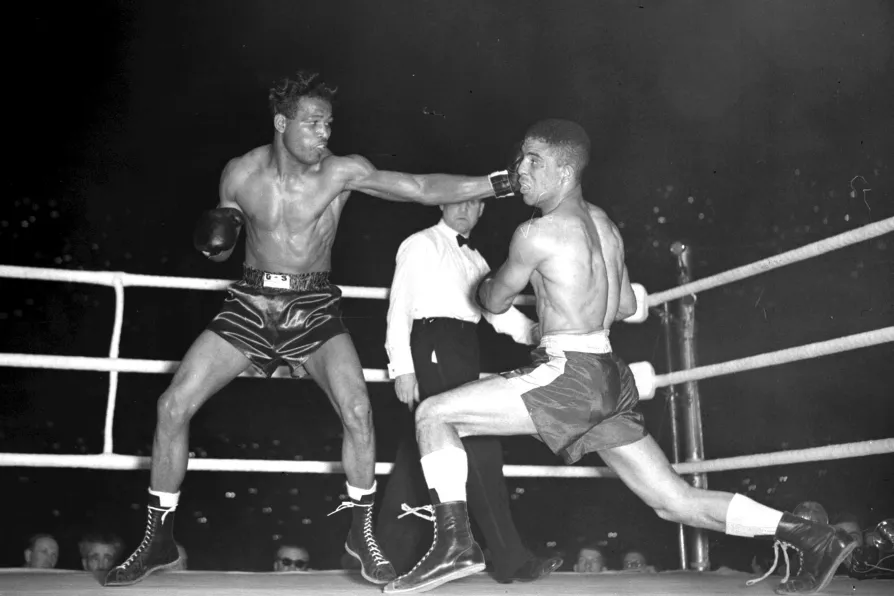
JOHN WIGHT pays tribute to the day in history when Randolph Turpin dealt the world of boxing an almighty blow
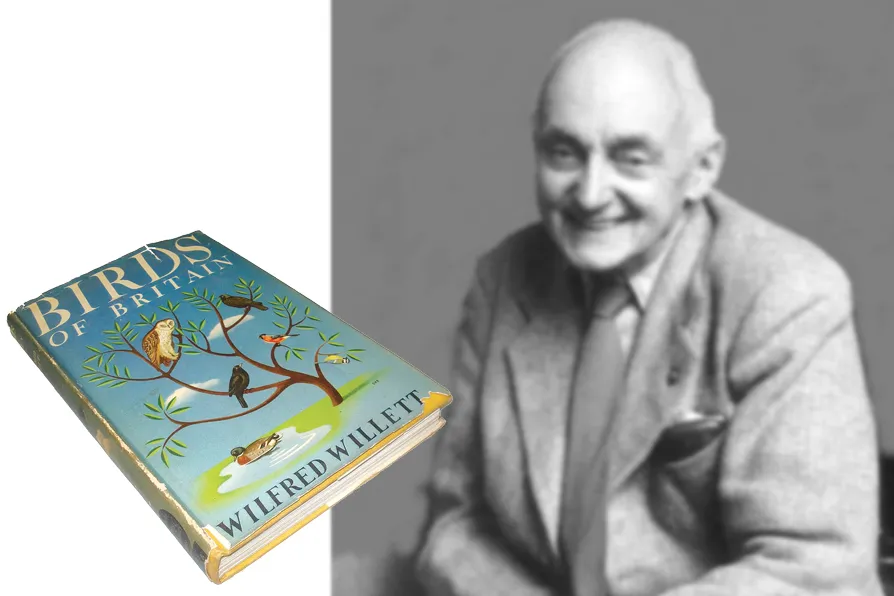
A WWI hero, renowned ornithologist, medical doctor, trade union organiser and founder member of the Communist Party of Great Britain all rolled in one. MAT COWARD tells the story of a life so improbable it was once dismissed as fiction

MAT COWARD tells the story of the eccentric founder of a short-lived but striking experiment in ‘vital democracy,’ who became best known for giving away his estate to the nation
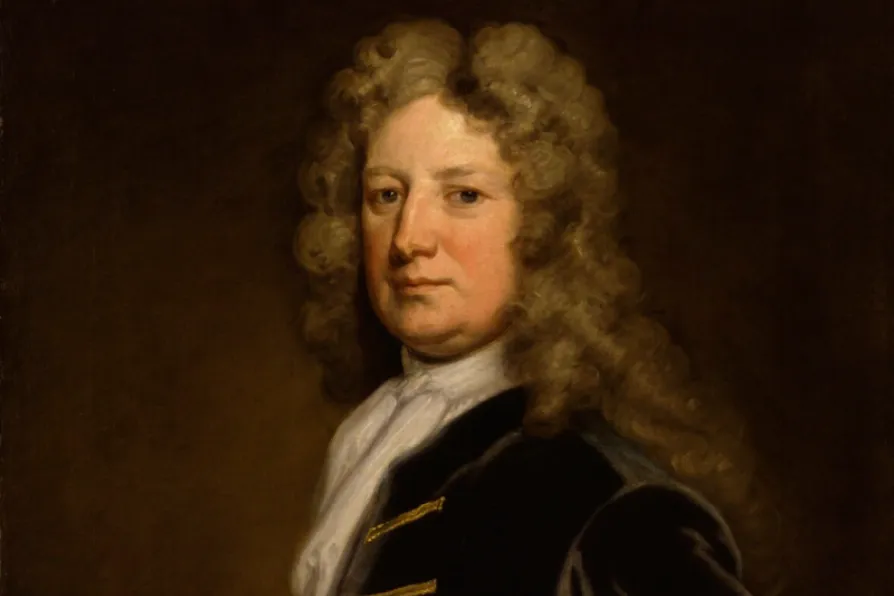
‘Honest’ Tom Wharton’s 1682 drunken rampage through St Mary’s church haunted his political career, but his satirical song Lillibullero helped topple Catholic James II during the Glorious Revolution, writes MAT COWARD