

 Latest editorial
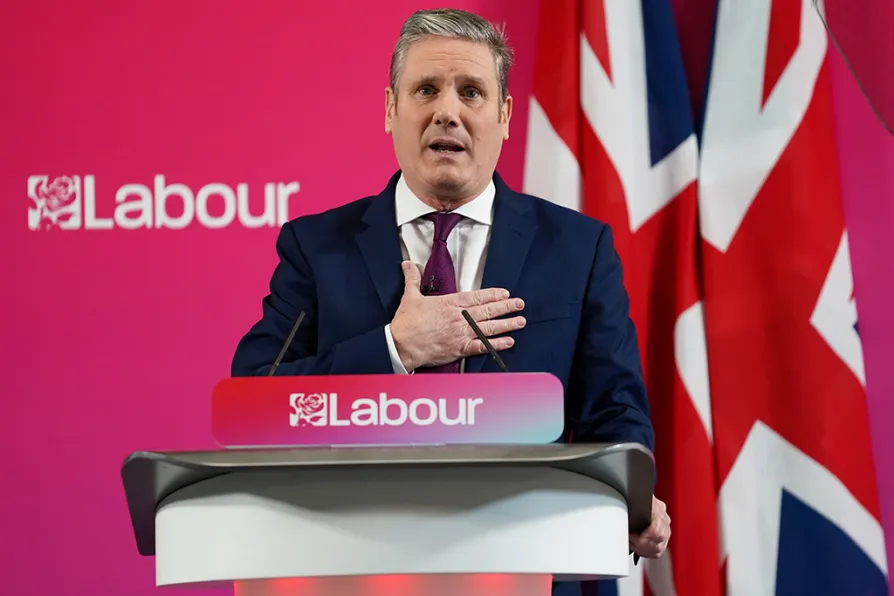 The Starmer project’s twin aims — to restore ruling-class faith in Labour as a party that won’t rock the boat, and to shut the door on political trends that might — were evident throughout the speech
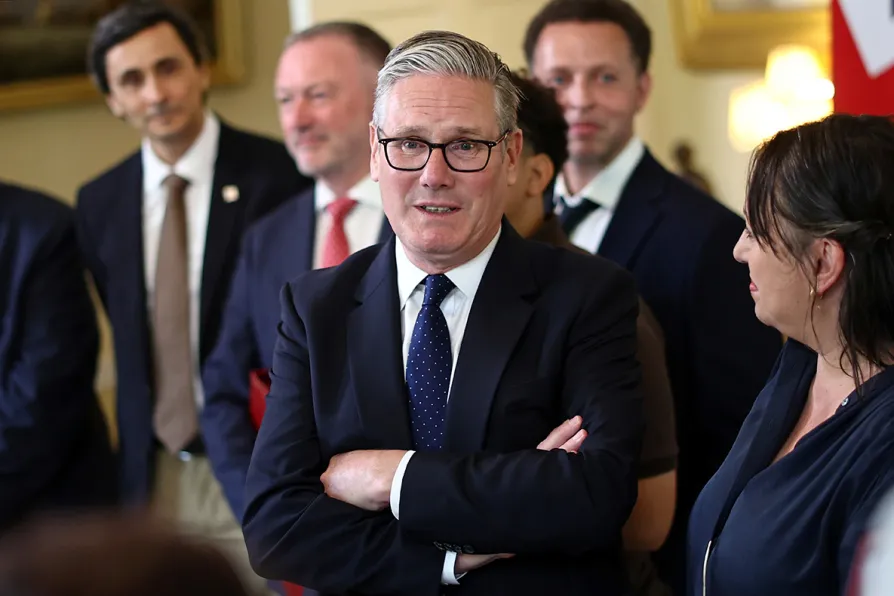


KEIR STARMER’S sales pitch to the nation in Birmingham today is billed as a bid to build on the momentum from poll leads following the scandals over Downing Street Christmas parties.
But the appeal of a vision as vague as “security, prosperity and respect” depends on a readiness by listeners to believe that the politician promising them has a set of policies designed to move us towards these rather nebulous concepts.
They are not terms likely to cut through in an age when the default expectation of politicians is dishonesty and spin — a development that owes a lot to the same Tony Blair who Starmer praises for making “Britain a better country.”
Starmer makes a virtue of vacuousness, saying we are “probably expecting a thousand clauses, seven appendices and a list of definitions” from him but “my contract [with the British people] won’t be anything like that.”
Indeed it won’t, but nobody who has managed to stay awake through Starmer’s multiple leadership relaunches, perused his 11,000-word essay on what he stands for and observed his slippery attitude to his 10 leadership pledges would have been expecting anything more specific.
The Starmer project’s twin aims — to restore ruling-class faith in Labour as a party that won’t rock the boat, and to shut the door on political trends that might — were evident throughout the speech.
At the start any malcontents who might want to change the system are warned sternly that “we don’t realise our own good fortune to have been born into a … liberal democracy.”
We are reminded that, as good Brits, we should cherish the “rule of law” (though due process is a closed book to Labour’s preposterous disciplinary machine), Her Majesty the Queen and “patriotism,” which since it is characterised by support for Nato and our “independent nuclear deterrent” here means militarism.
As with his now standard backdrop of Union Jacks, much of this looks like a bid to appeal to Brexit voters from someone with no understanding of the reasons Leave won.
Yet there are warning signs amid the waffle, pointers to a dangerous reactionary politics. For the left, there are a number of points worth noting.
Starmer’s promises of “police hubs … visible in every community” is ominous given the current government’s gross empowerment of the police and their appalling record of misogyny and violence.
He gushes over “the integrity of British justice [which] has always been the envy of the world” so is unsurprisingly silent on spycops and Julian Assange.
Once again Labour is in lockstep with the Tories in backing a more authoritarian state — resisting that will have to come from the grassroots, as will building a peace movement to oppose the cross-bench jingoism at Westminster.
There is a nod to the cost-of-living crisis, including rising gas prices, and to low wages. Starmer offers no specifics, let alone the nationalisation of energy to control prices he promised to support when standing for Labour leader; but there has rarely been a better time to raise this demand, and the labour movement can do so in his despite. Labour figures in local government and MPs can be pressed to join picket lines and back union wage demands.
There is a nod to climate change, but Starmer would rather praise as yet hypothetical zero-emissions lorries than mention railways, though emissions per tonne-kilometre are less than a fifth on rail than on road and though a battle over government cuts to rail — a crucial sector in any green transport system — is unfolding as he speaks.
Starmer continues to sidestep the most important questions — because answers to them challenge the capitalist system whose legitimacy he is working to restore.
All the more reason for the labour movement to look at how we make higher pay and public ownership the biggest political issues of the day.


The PM leaves office having squandered Labour’s electoral mandate and alienated its grassroots. He will not be missed, writes BRIAN LEISHMAN MP
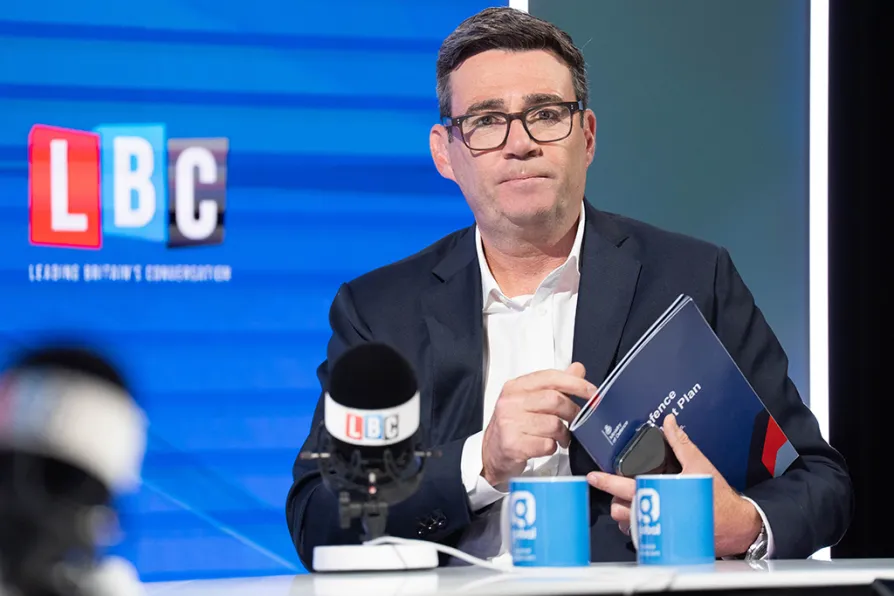
JOHN McINALLY sees little chance of change at Westminster, and calls on the left to get serious about building a real alternative
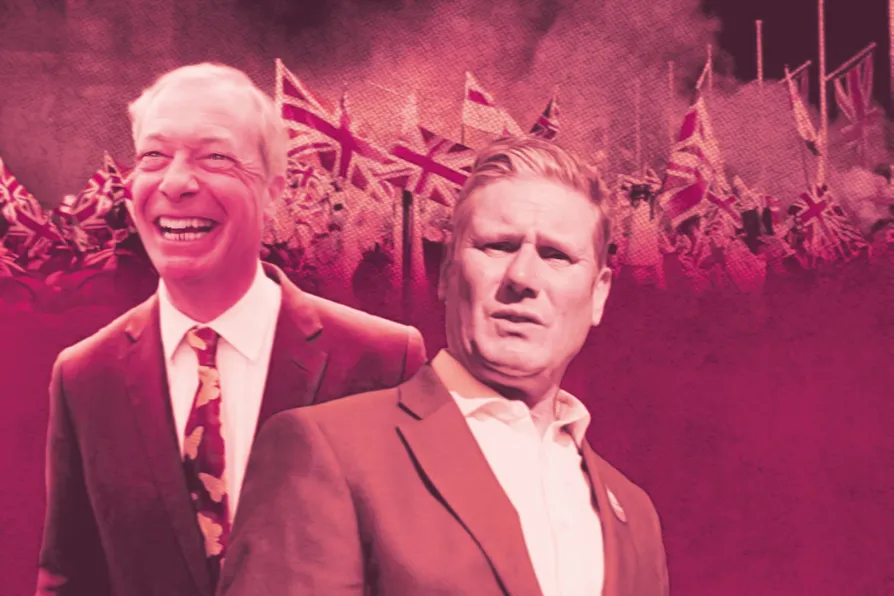
CLAUDIA WEBBE argues that Labour gains nothing from its adoption of right-wing stances on immigration, and seems instead to be deliberately paving the way for the far right to become an established force in British politics, as it has already in Europe