Andy Burnham’s message of hope will defeat Reform if Labour delivers the New Deal for Working People in full, says JOANNE THOMAS


 Latest editorial
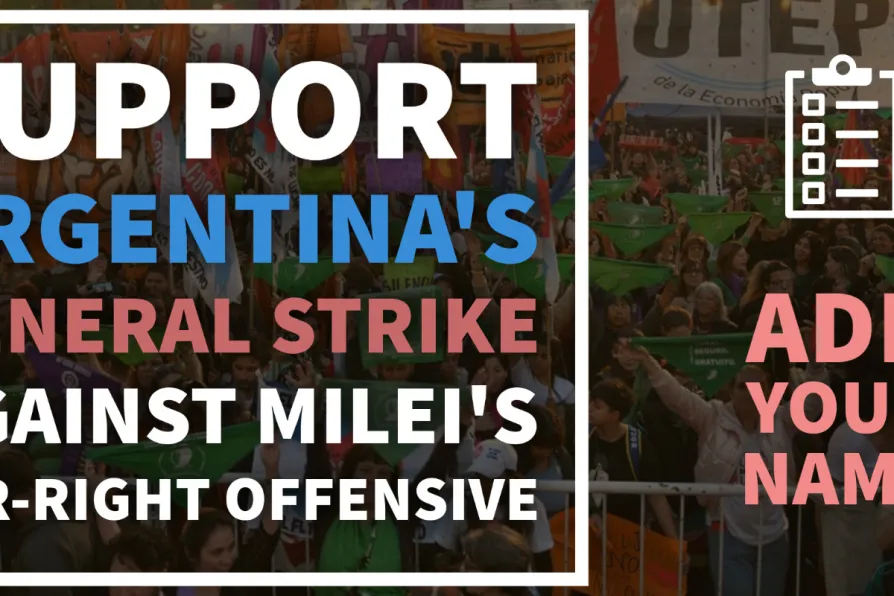
Support Argentina's general strike against Milei's far-right offensive
The Campaign for Trade Union Freedom and Labour Friends of Progressive Latin America have jointly launched the following statement of solidarity with trade unions and workers in Argentina who are facing a monstrous attack from the new far-right President Milei

The government’s latest asylum proposals abandon labour movement values and fuel division by aping Reform UK, writes DIANE ABBOTT MP
IAN LAVERY MP warns that decades of neoliberal policies have left former industrial communities behind — but a renewed Labour commitment to working people could change the political landscape
We need a government that invests in saving lives not destroying them, argues SOPHIE BOLT
HENRY FOWLER outlines the GFTU’s new 2026-27 education programme and argues that investing in trade union education is essential to building worker power, developing leaders and strengthening collective action
PAOLO SANTALUCIA reports on how an Italian region defies US pressure to end a Cuban doctors programme


THE election of far-right Javier Milei as president of Argentina represents a clear and present danger to Argentinian trade unions, their members, the wider working class and indeed the overwhelming majority of Argentinian people.
President Milei’s central economic policy of “anarcho-capitalism” is an extreme variant of “neoliberalism” or “monetarism” — economic policies that for the past 40 years have facilitated the global transfer of wealth from working people to the super-rich and the corporate sector.
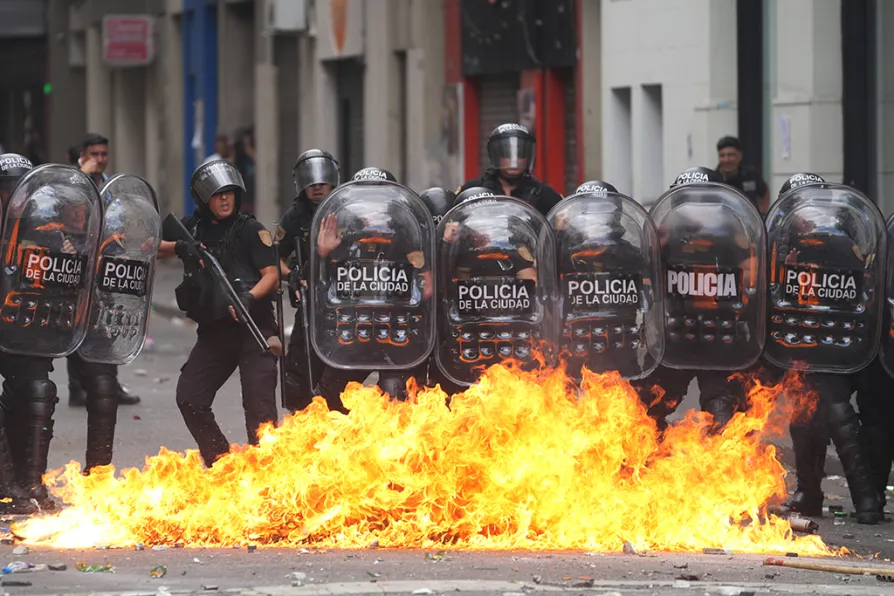
An essential and enduring feature of these policies is the restriction or even elimination of labour rights; usually a restriction on the right to organise, the right to collective bargaining and the right to strike. This fits in with Milei’s agenda of saying that protesters should face either “prison or bullet.” He is also known to have the country’s women’s and environmental movements in his sights, just as the far-right Bolsonaro presidency did in Brazil.

Similar stories
![Durham Miners' Gala 2026 [Pic: Neril Terry]](https://morningstaronline.co.uk/sites/default/files/styles/desktop/public/2026-07/SSS_20260711_DURHAM_MINERS_GALA_0-17.jpg.webp?itok=aLX58nf7)
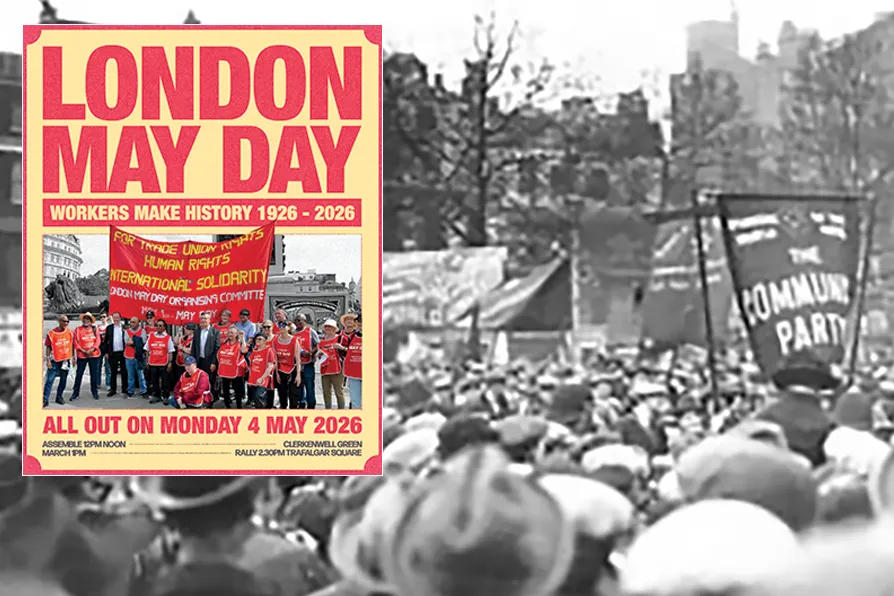
One hundred years after 1.7m workers shut the country down in defence of the miners, the struggles that sparked the 1926 General Strike are still with us – and will be honoured on London’s May Day march this year, writes MARY ADOSSIDES
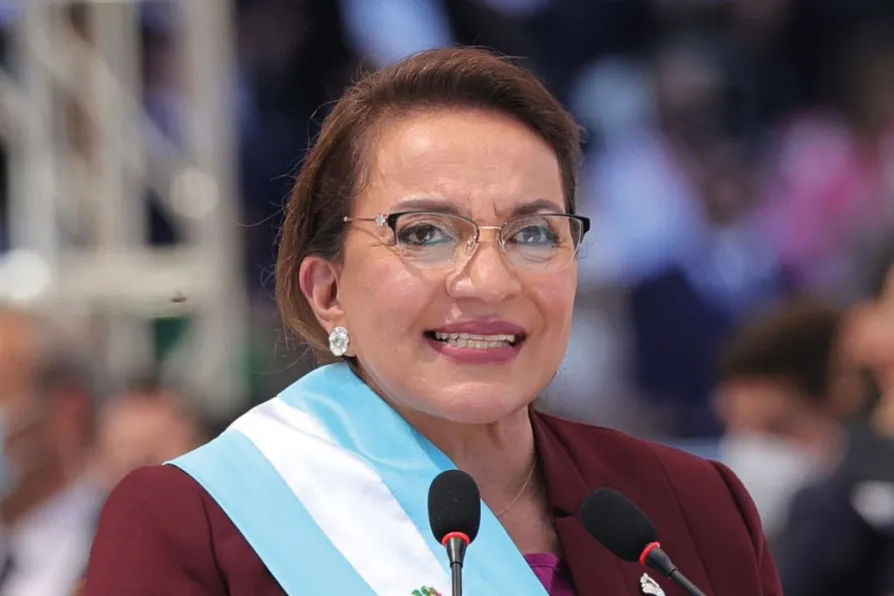
The US is desperate to stop Honduras’s process of social and democratic change, writes TIM YOUNG