The new Prime Minister must abandon decades of automatic support for US foreign policy, which makes us all less safe, argues DIANE ABBOTT MP


 Latest editorial

Turning the tide on merchant navy decline and support maritime employment
Seafaring is vital to our nation’s economy, but the industry has been allowed to diminish with a devastating impact on our port cities and coastal communities – a rejuvenation policy is urgently needed, argues MARK DICKINSON
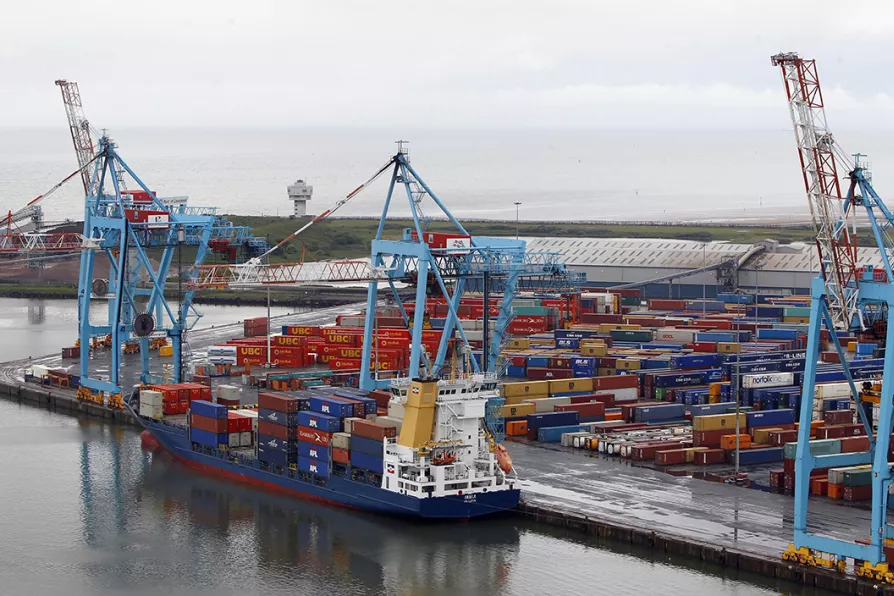 The port of Liverpool

Media Lens at 25: David Cromwell and David Edwards reflect on a quarter-century of media criticism, explaining why independent journalism is more important than ever
by Weyman Bennett and Maz’s family
The International Court of Justice has delivered its clearest ruling yet that the right to strike is protected under international law, write Professor TONIA NOVITZ, Professor KEITH EWING and Lord JOHN HENDY KC
Emergency phone alerts could help Britain respond to rising wildfire risk, but Australia’s experience suggests they work best as part of a broader strategy, write ELLIOT CONVERY-FISHER and KATE PARKINS
A champion motorcyclist, trade union organiser and communist, Clem Beckett went from Britain’s speedway tracks to the battlefields of Spain, where he gave his life resisting Franco’s forces at Jarama. GEOFF BOTTOMS pays tribute to this remarkable anti-fascist


AS AN island nation, the UK merchant navy once stood as a source of major employment for British seafarers, particularly those in proud port cities like my home in Merseyside near Liverpool or others like Glasgow, Belfast and Southampton, the names of which would be proudly displayed on the sterns of vessels flying the Red Ensign.
Unfortunately, the sight of the Red Ensign on a vessel is becoming less frequent and is even less likely to represent employment of British seafarers, more common now is the flag of convenience — countries like Liberia, Marshall Islands or Panama too often with poorly paid crew from the global South.
In fact, the UK currently faces historic lows in the number of registered vessels, indicating a wider problem — the decline in the UK merchant navy and a source of longstanding employment, particularly for coastal communities. The UK is currently also facing historic lows in the number of qualified active seafarers.

Similar stories

The future does not have to be climate chaos and social breakdown. MARC VANDEPITTE looks at the alternatives offered by the Global Justice Report, co-authored by Thomas Piketty
![BY ANY MEANS POSSIBLE: Yanaocha mine in Cajamarca, Peru is the largest gold mine in South America operated by Newmont Corporation. It is considered the most profitable in the world [Pic: Elbuenminero/CC]](https://morningstaronline.co.uk/sites/default/files/styles/desktop/public/2025-09/extractive%20caoitakism%20webpic.jpg.webp?itok=lkf5b6oi)
JOE GILL appreciates a lucid demonstration of how capital today is an outgrowth of the colonial economy

Labour’s watered-down legislation won’t protect us from unfair dismissal or ban some zero-hours contracts until 2027 — leaving millions of young people vulnerable to the populist right’s appeal, warns TUC young workers chair FRASER MCGUIRE
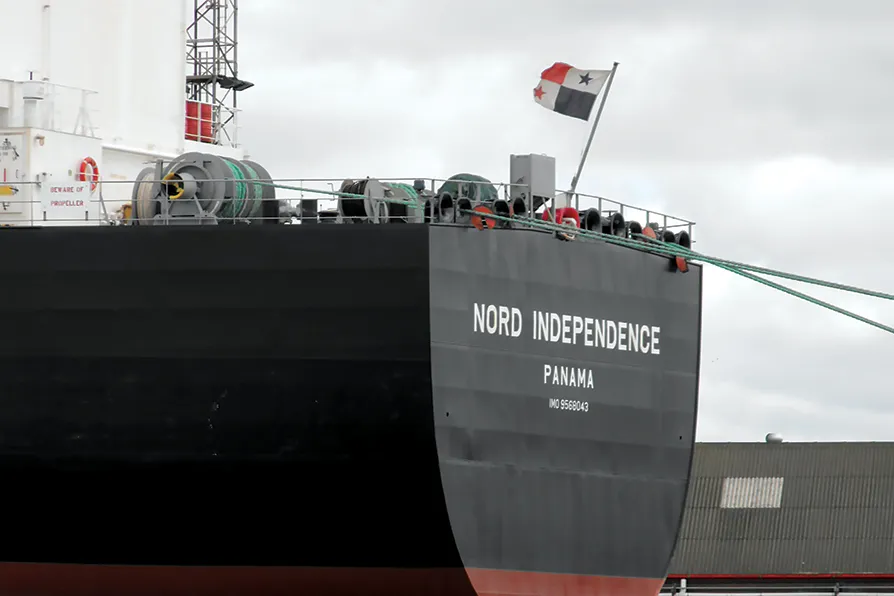
MARTYN GRAY asks TUC congress to endorse measures that would help stop the present exploitation of seafarers