

 Latest editorial
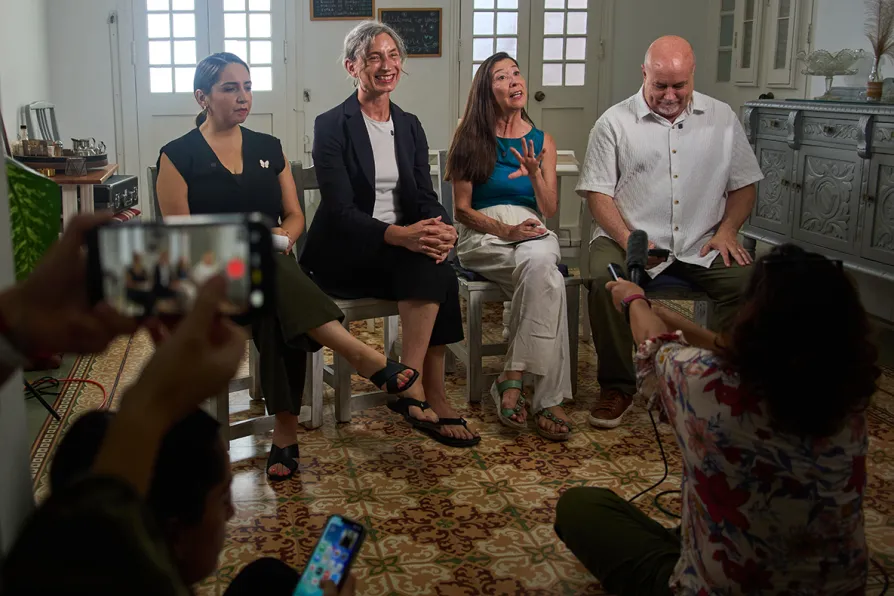 From left: US Representatives Delia C Ramirez of Illinois, Maxine Dexter of Oregon, Teresa Leger Fernandez of New Mexico and Mark Pocan of Wisconsin, all Democrats, hold a news conference in Havana, Cuba, July 12, 2026


FOUR Democratic members of the US Congress who visited Cuba last weekend have condemned President Donald Trump’s energy blockade for turning the socialist island into a “silent Gaza.”
The Trump administration imposed the measure in January after the kidnapping of Venezuela’s President Nicolas Maduro in a US military raid, while threatening tariffs against other countries that sell fuel to Havana.
House of Representatives members Mark Pocan of Wisconsin, Teresa Leger-Fernandez of New Mexico, Maxine Dexter of Oregon and Delia Catalina Ramirez of Illinois arrived last Thursday for a visit that included a meeting with President Miguel Diaz-Canel and lasted until Monday.
They also met ministers, medical professionals and business leaders and toured the streets of Havana, they told journalists. When asked about progress in the dialogue between Washington and Havana to lift the energy embargo, they said there are currently no talks taking place.
“I think [Secretary of State] Marco Rubio is making this personal and not professional,” Mr Pocan said.
Mr Rubio is the son of Cuban immigrants and grew up in Miami, where he began his political career under the strong influence of far-right expatriate groups.
Both governments have acknowledged contact between their officials, but it’s unclear when they last met.
However, Raul Guillermo Rodriguez Castro, the grandson of 95-year-old former president Raul Castro, has put himself forward as an intermediary with Mr Trump. He secretly met Mr Rubio in February on the sidelines of a Caribbean Community summit in St Kitts.
Mr Trump and Mr Rubio have indicated that they hope to strangle the communist government through the blockade, which Cuba’s authorities have denounced as collective punishment.
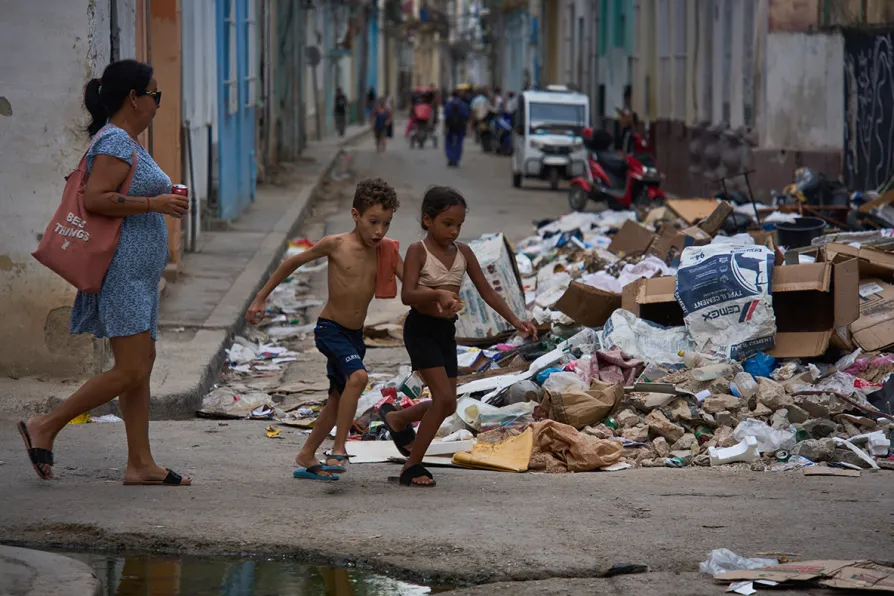
The US legislators condemned the consequences of the energy blockade, which include power cuts lasting more than 20 hours a day, limited public transport, flight cancellations, a drop in tourism and reduced working hours.
According to Mr Pocan, someone he spoke to in Cuba described the current situation as a “silent Gaza,” which he said was an “apt description.”
He said: “There may not be bombings, but there are certainly conditions that prevent people from going about their daily lives. They can’t go to work, they can’t preserve their food, they can’t access medical supplies or live as they did before.”
Ms Dexter and Ms Ramirez vowed to promote amendments in Congress to mitigate the health impact and prevent further action by Mr Trump, such as armed operations, without legislative authorisation.

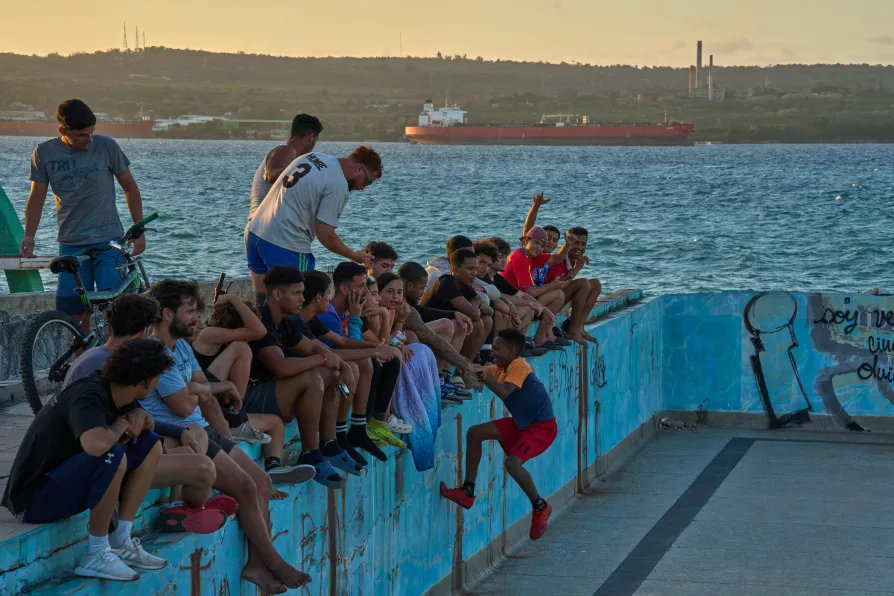
CLAUDIA WEBBE says the US is tightening the noose to destroy Cuban socialism — the need for immediate, international solidarity is urgent
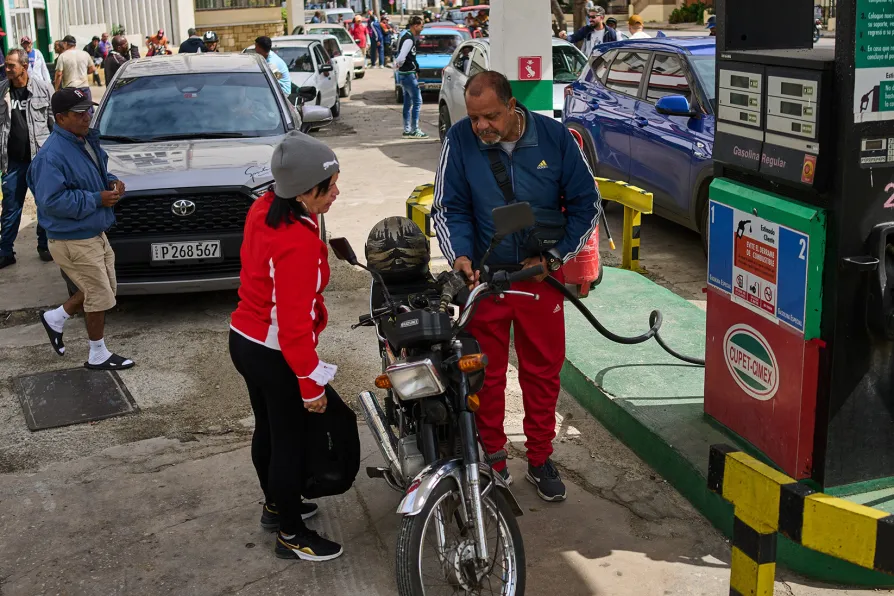
On January 29, US President Donald Trump declared Cuba an ‘unusual and extraordinary threat’ to US national security and tightened the blockade against the island nation MANOLO DE LOS SANTOS reports