

 Latest editorial
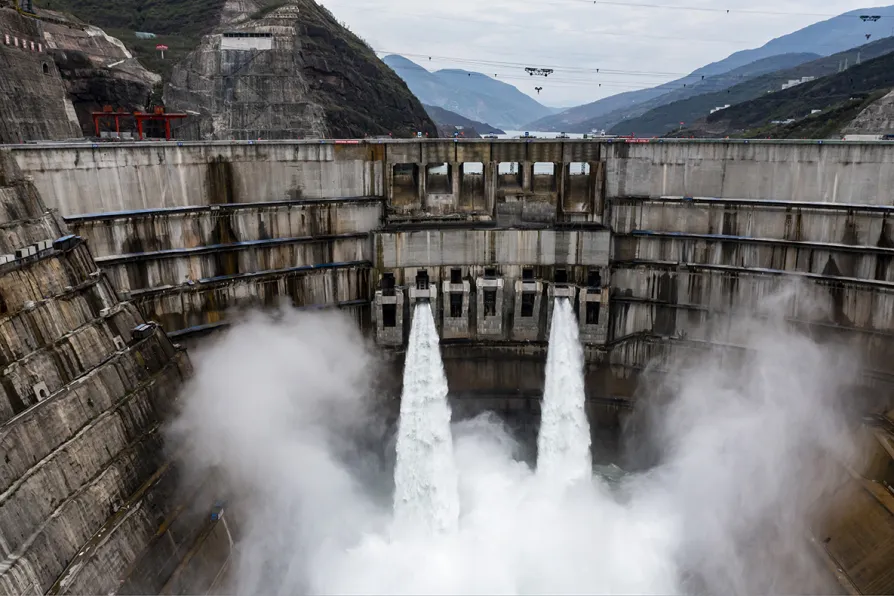 In this photo released by Xinhua News Agency, water is released from the dam of Baihetan hydropower station in Ningnan county, in southwestern China's Sichuan province



CHINA switched on the world’s second-biggest hydroelectric dam today, announcing the “world-class” new power station as a victory for socialist planning ahead of the Communist Party centenary celebrations on Thursday.
Two of its million-kilowatt generating units, each the weight of the Eiffel tower, have began generating energy. Once fully operational, the 954-foot-high Baihetan dam on the Jinsha river at the Sichuan-Yunnan border will have 16 such units, making it the second-biggest generator of hydroelectric power on Earth after the Three Gorges dam on the Yangtze, which has 22.5m kilowatts of generating capacity. Designers say it will eliminate the need to burn 20 million tons of coal a year and reduce annual carbon emissions by 51m tons.
China invests heavily in hydroelectric power, seeing it as one of the most important sources of green energy as it seeks to end reliance on fossil fuels. The country is on course to meet its Paris agreement targets on reducing emissions a decade early.

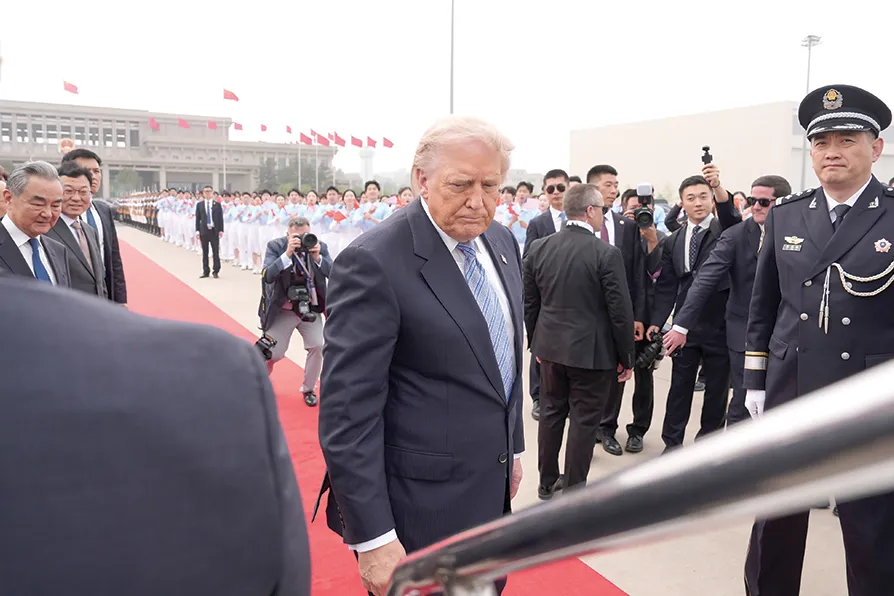
JENNY CLEGG looks at the key points that defined the China-US relationship, for now
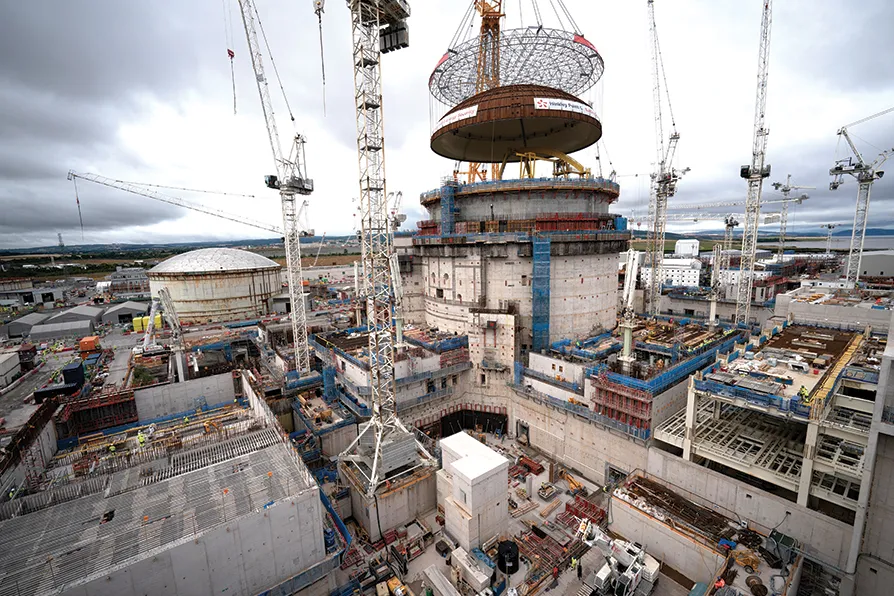
The Communist Party of Britain’s Congress last month debated a resolution on ending opposition to all nuclear power in light of technological advances and the climate crisis. RICHARD HEBBERT explains why
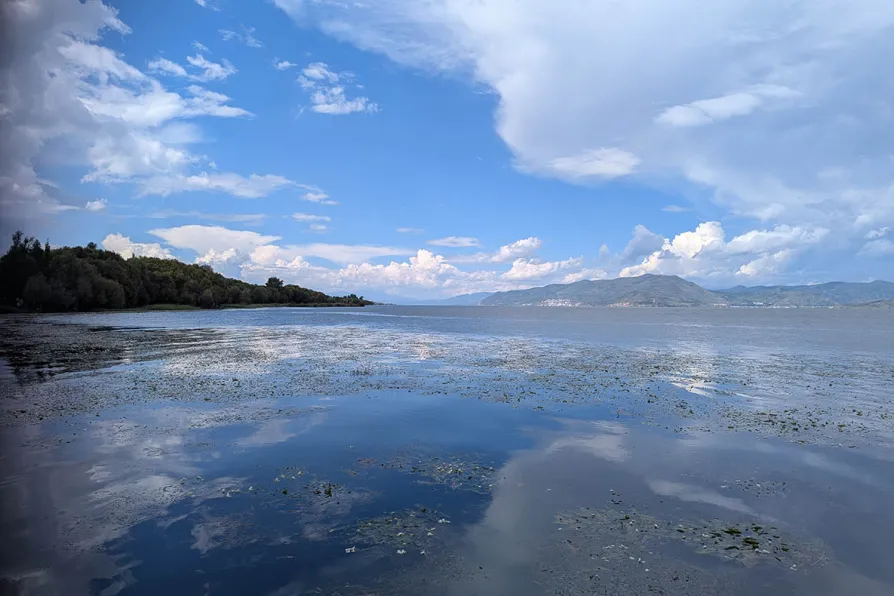
One of the major criticisms of China’s breakneck development in recent decades has been the impact on nature — returning after 15 years away, BEN CHACKO assessed whether the government’s recent turn to environmentalism has yielded results

Morning Star editor BEN CHACKO reports from the start of Kunming’s Belt and Road media forum, where 200 journalists from 71 countries celebrated a new openness and optimism, forged by China’s enormous contribution to global development