

 Latest editorial
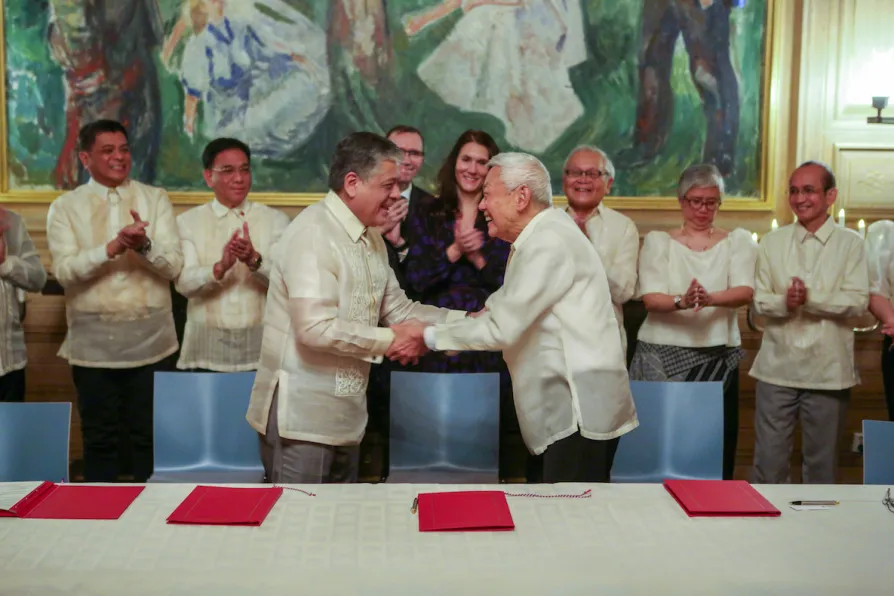 Special Adviser to the President, Minister Antonio Lagdameo, center, and Luis Jalandoni of the Communist Movement (NDFP) shake hands after signing their joint vision for peace, at Oslo City Hall, on Thursday, Nov. 23, 2023.


COMMUNIST rebels in the Philippines have agreed to peace talks to end 50 years of war, Norwegian mediators announced today.
The Communist Party of the Philippines, which adopts Maoist ideology, and its New People’s Army have been battling the government since 1969 in a conflict which has claimed tens of thousands of lives.
Previous talks aimed at ending the insurgency were called off by former president Rodrigo Duterte in 2019.

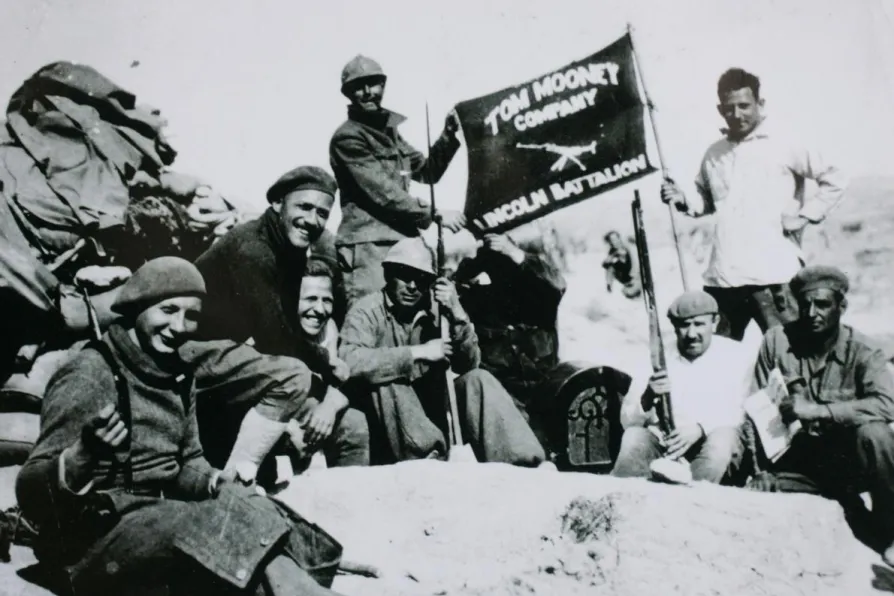
CJ ATKINS commemorates one of the most dramatic moments in working-class history
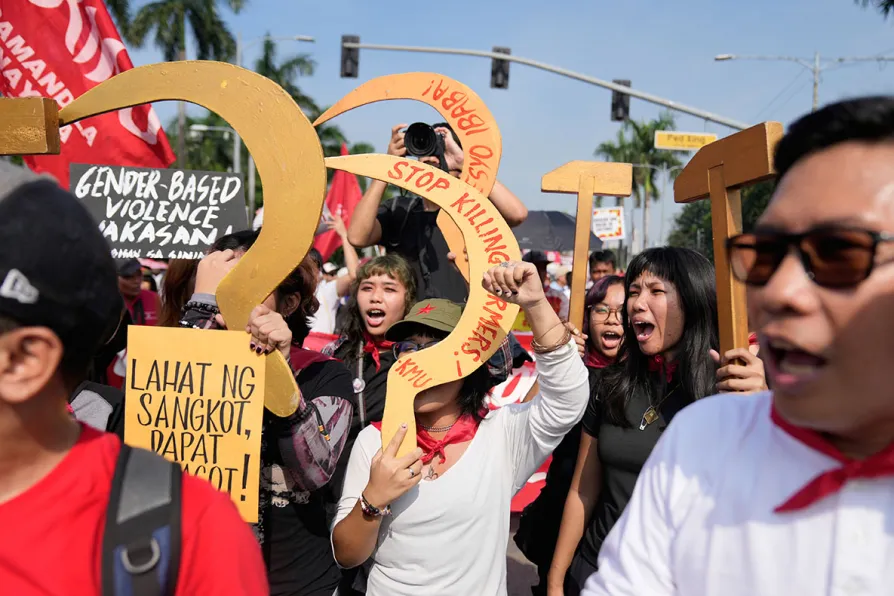

Huge protests against corruption and preventable deaths during flooding have rocked the government — the masses are not likely to be able to take direct control in their own interests yet, writes KENNY COYLE, but it’s a promising show of people power
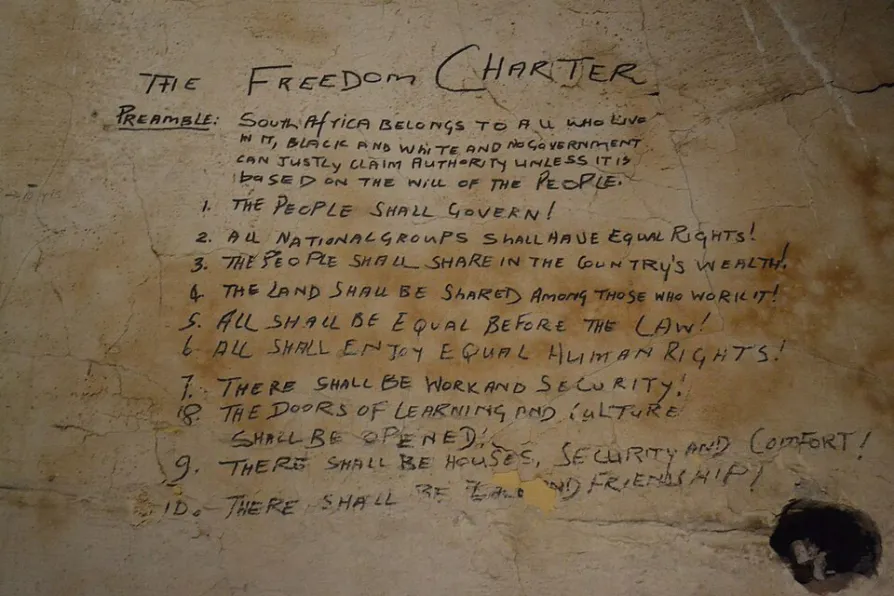
The charter emerged from a profoundly democratic process where people across South Africa answered ‘What kind of country do we want?’ — but imperial backlash and neoliberal compromise deferred its deepest transformations, argues RONNIE KASRILS