

 Latest editorial
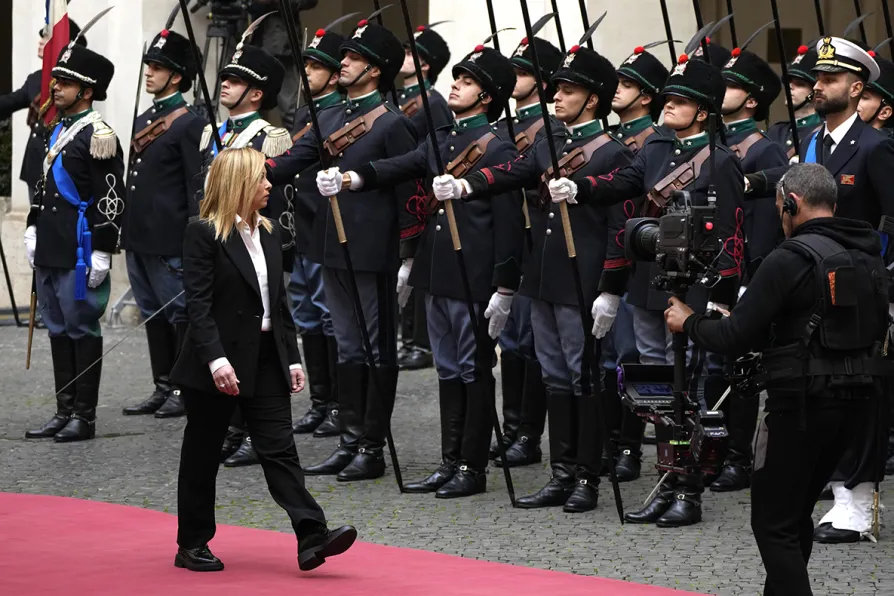 New Italian Premier Giorgia Meloni arrives for the handover ceremony at Chigi Palace Premier's office, in Rome, Sunday, October 23, 2022


FAR-RIGHT leader Giorgia Meloni was sworn in as Italy’s first female prime minister on Saturday.
Ms Meloni’s Brothers of Italy, a neofascist organisation which traces its origins back to fascist dictator Benito Mussolini’s original National Fascist Party via a succession of organisations, emerged as the largest party in last month’s election and heads a coalition with the Lega of Matteo Salvini and Silvio Berlusconi’s Forza Italia.
Her party benefited from refusal to participate in outgoing PM Mario Draghi’s technocratic government. The former European Central Bank chief was the latest in a series of unelected figures appointed to oversee marketising policies unsupported by Italians at elections.

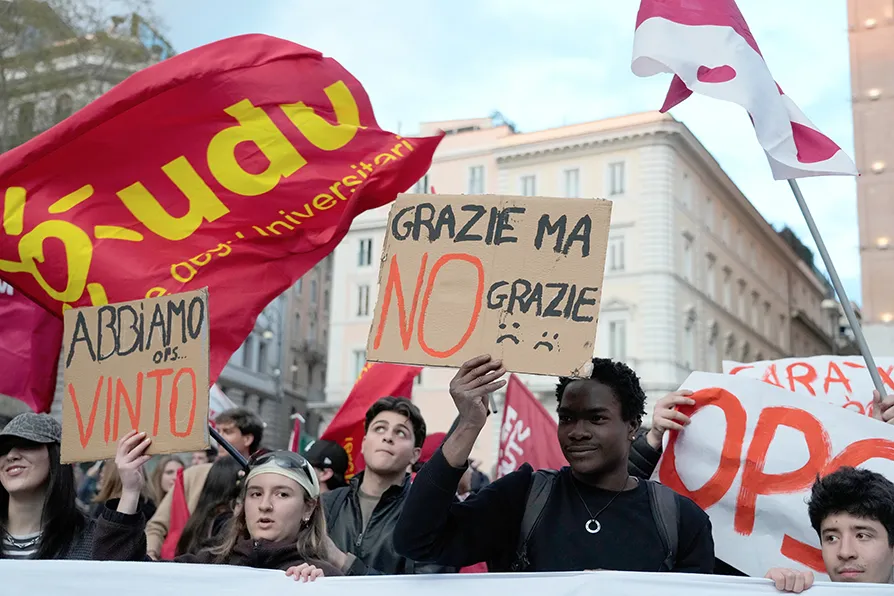
Italians reject controversial judiciary reforms in a referendum that boosts the left, reports NICK WRIGHT
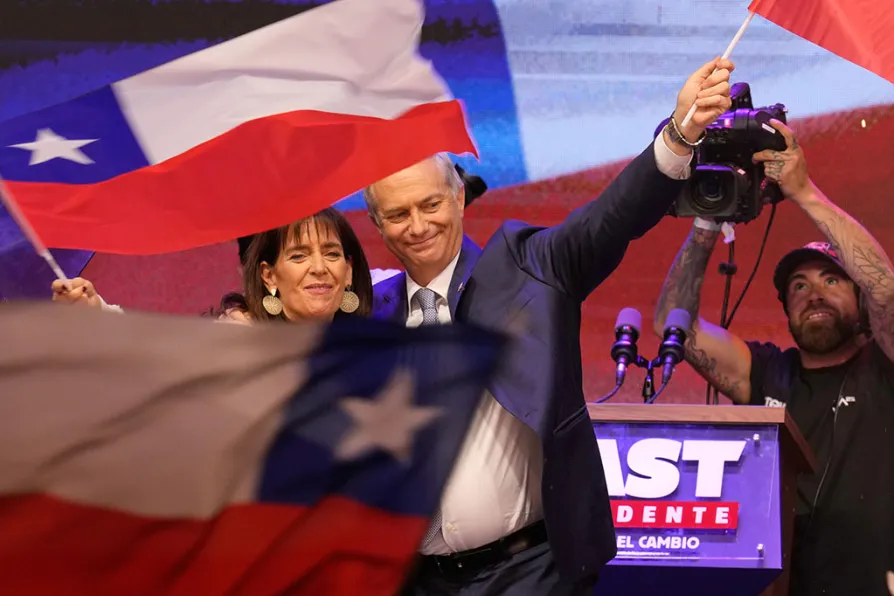
From Reform UK to Trump, Orban and beyond, the far right is organised across borders and growing. Waiting for it to collapse is a fatal error – building an international, locally rooted left alternative is now an urgent necessity., argues ROGER McKENZIE
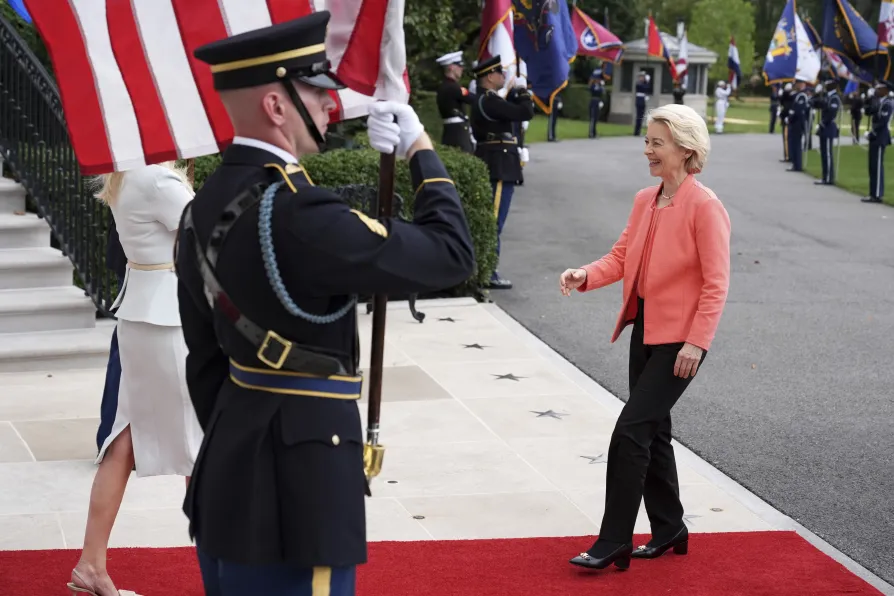
US tariffs have had Von der Leyen bowing in submission, while comments from the former European Central Bank leader call for more European political integration and less individual state sovereignty. All this adds up to more pain and austerity ahead, argues NICK WRIGHT