

 Latest editorial
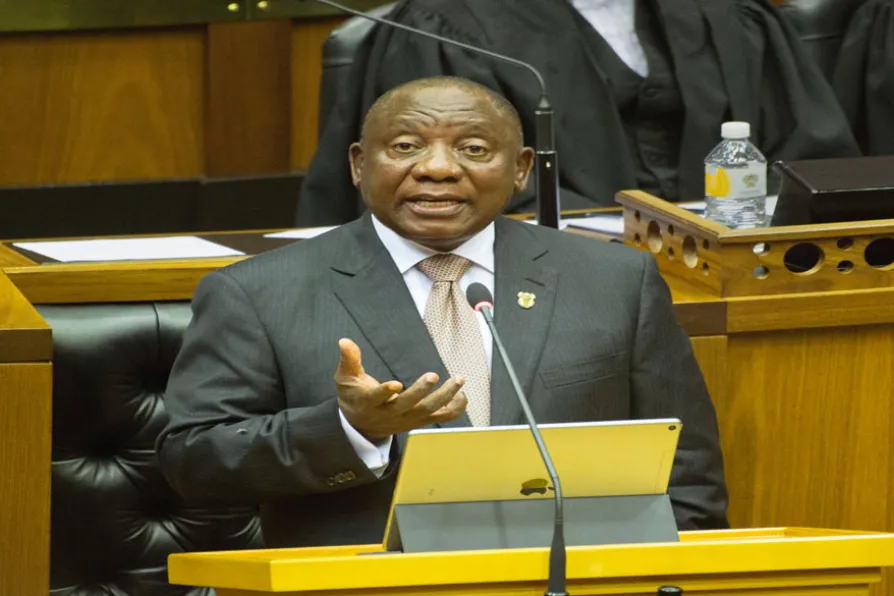 The strike will be the first under President Cyril Ramaphosa
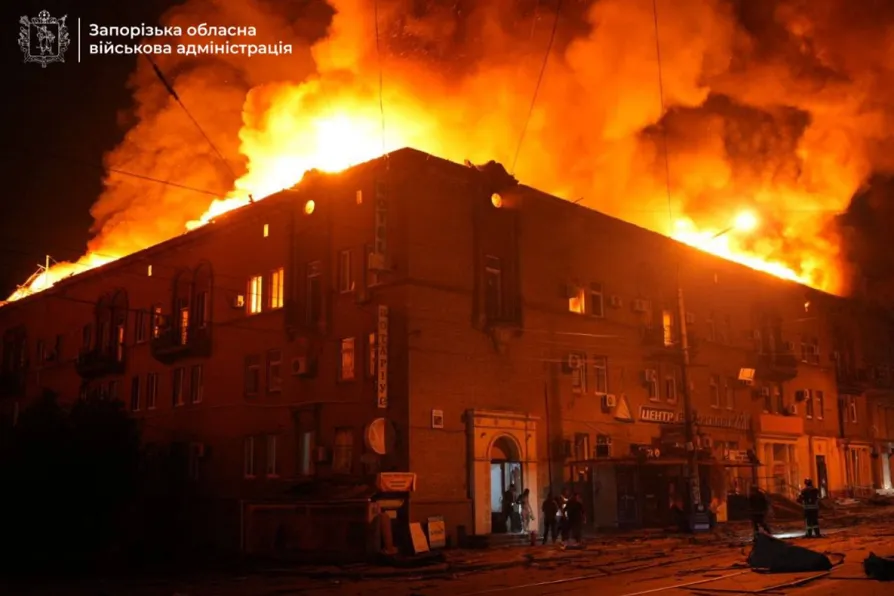


TRADE unionists across South Africa are set to walk out tomorrow in a national strike as the country faces a shutdown over “privatisation, retrenchment and imperialism.”
The Congress of South African Trade Unions (Cosatu) called the strike – which is backed by affiliated unions covering most sectors including schools, hospitals, mining and textile workers – over job losses and privatisation.
Figures released by Statistics South Africa today showed that there were 6.1 million people without jobs in the three months to the end of December 2018, one of the highest unemployment rates in the world.


A past confrontation permanently shaped the methods the state will use to protect employers against any claims by their employees, writes MATT WRACK, but unions are readying to face the challenge
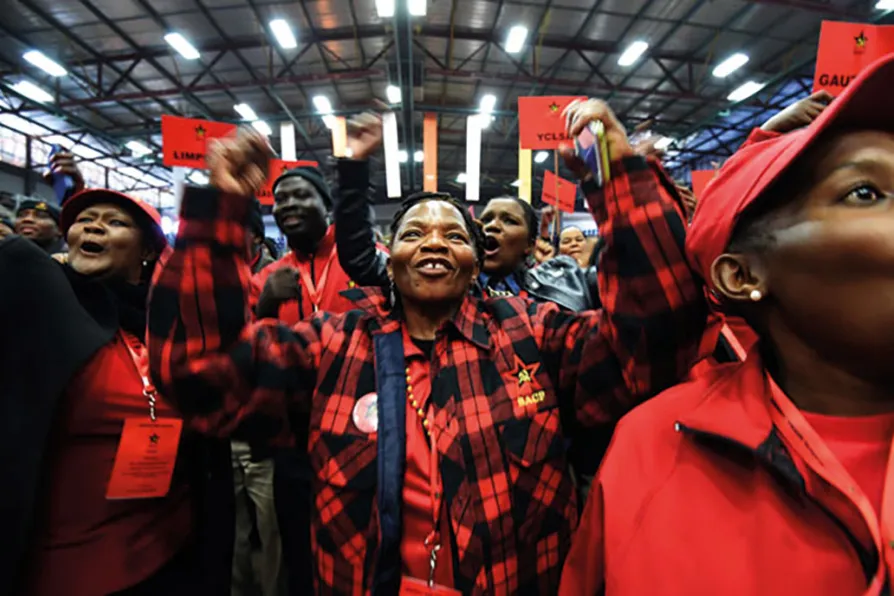
The shared path of the South African Communist Party and the ANC to the ballot box has found itself at a junction. SABINA PRICE reports
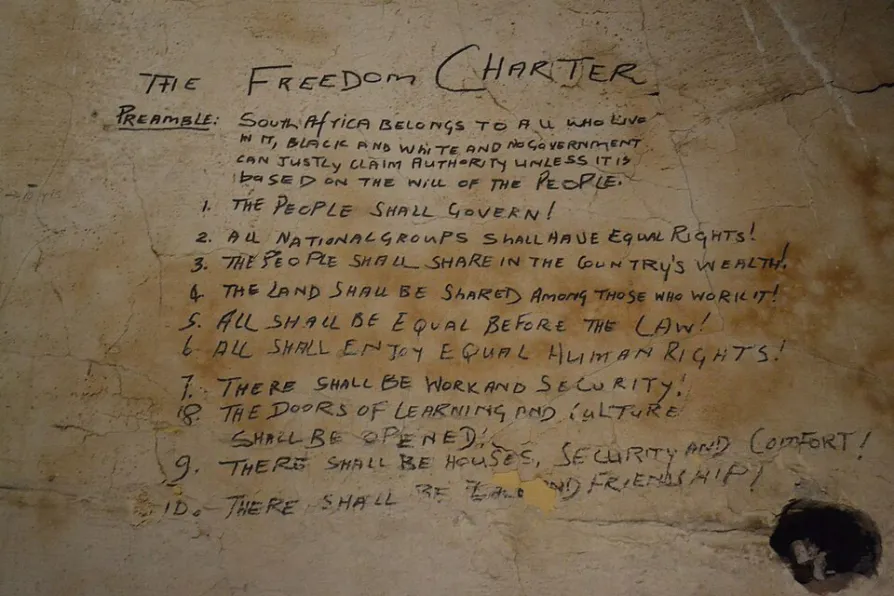
The charter emerged from a profoundly democratic process where people across South Africa answered ‘What kind of country do we want?’ — but imperial backlash and neoliberal compromise deferred its deepest transformations, argues RONNIE KASRILS