The new Prime Minister must abandon decades of automatic support for US foreign policy, which makes us all less safe, argues DIANE ABBOTT MP


 Latest editorial

Warning signs over the planned Monsanto-Bayer merger
Corporate monopolies will accelerate the globalisation of bad food, poor health and environmental catastrophe, says COLIN TODHUNTER
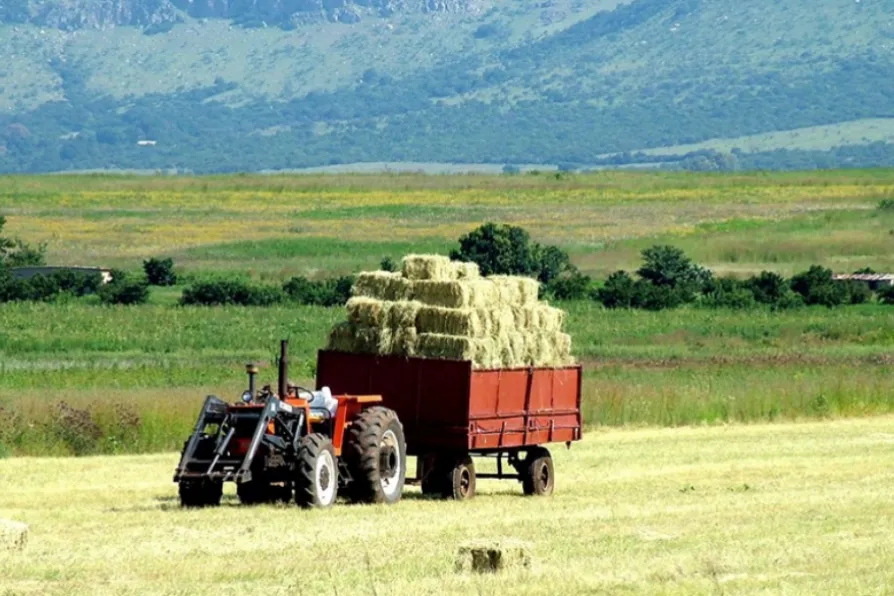

Media Lens at 25: David Cromwell and David Edwards reflect on a quarter-century of media criticism, explaining why independent journalism is more important than ever
by Weyman Bennett and Maz’s family
The International Court of Justice has delivered its clearest ruling yet that the right to strike is protected under international law, write Professor TONIA NOVITZ, Professor KEITH EWING and Lord JOHN HENDY KC
Emergency phone alerts could help Britain respond to rising wildfire risk, but Australia’s experience suggests they work best as part of a broader strategy, write ELLIOT CONVERY-FISHER and KATE PARKINS
A champion motorcyclist, trade union organiser and communist, Clem Beckett went from Britain’s speedway tracks to the battlefields of Spain, where he gave his life resisting Franco’s forces at Jarama. GEOFF BOTTOMS pays tribute to this remarkable anti-fascist


IF the proposed Monsanto-Bayer merger goes through, the new company would control more than 25 per cent of the global supply of commercial seeds and pesticides.
It marks a trend towards consolidation in the industry with Dow and DuPont having merged and Swiss seed/pesticide giant Syngenta merging with ChemChina.
The mergers would mean that three companies would dominate the commercial agricultural seeds and chemicals sector.

Similar stories
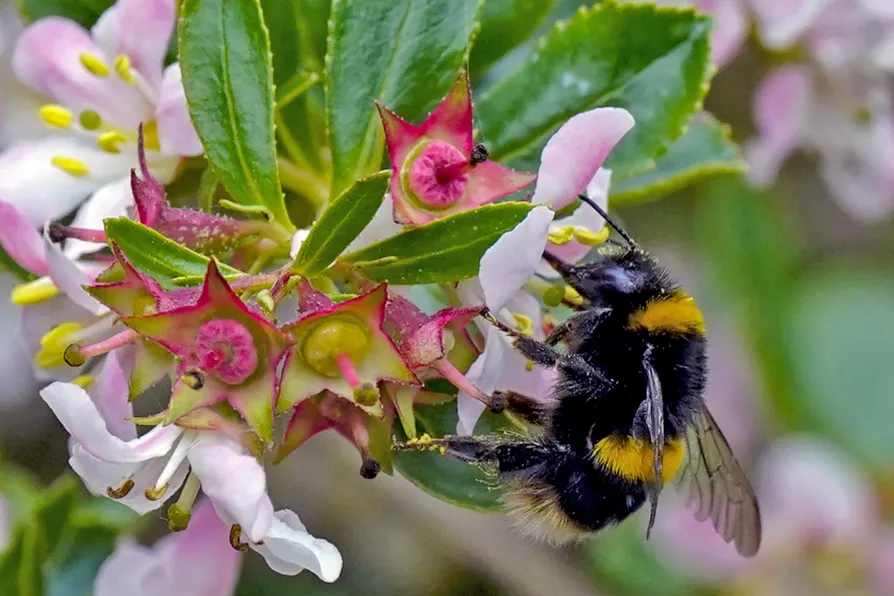
Rising temperatures and human activity are making life far harder for these vital pollinators. ALEX DITTRICH explains
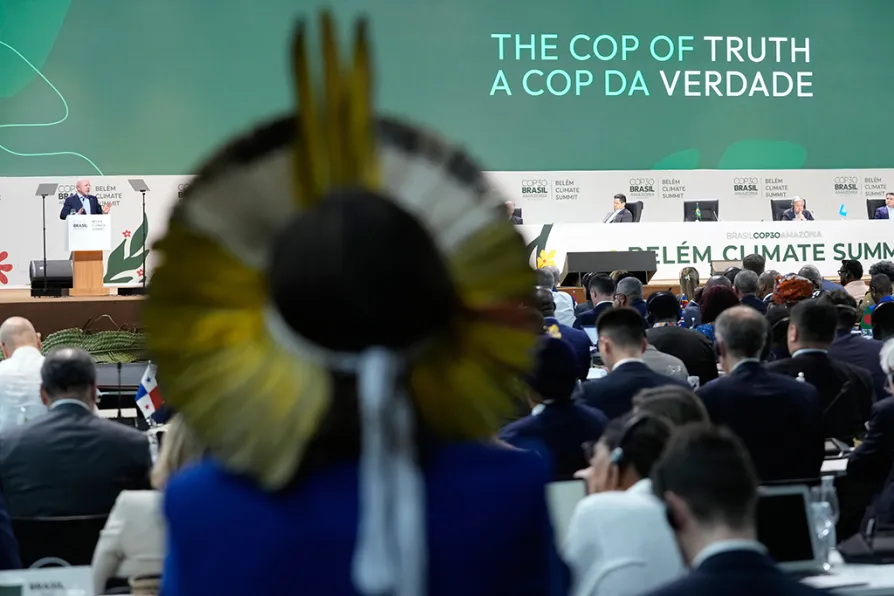
From summit to summit, imperialist companies and governments cut, delay or water down their commitments, warn the Communist Parties of Britain, France, Portugal and Spain and the Workers Party of Belgium in a joint statement on Cop30
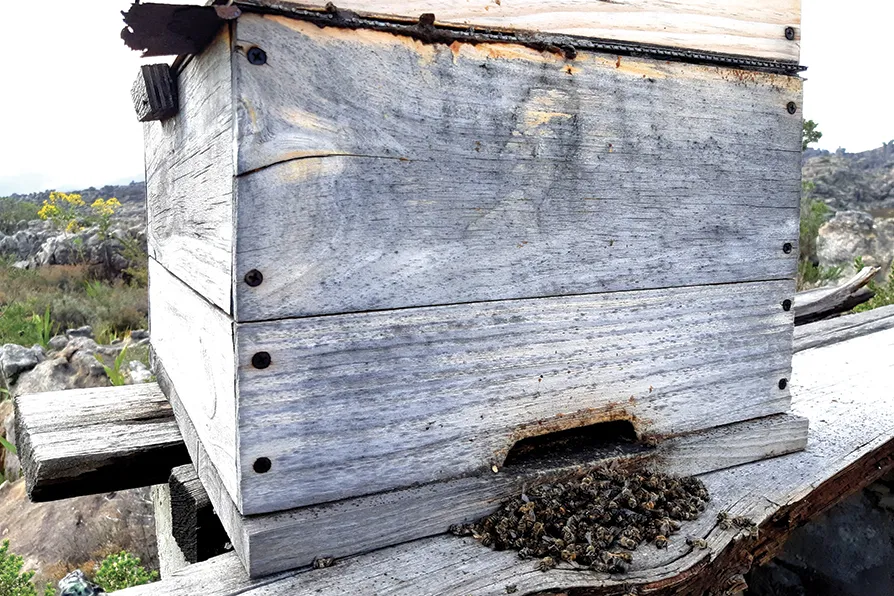
The West’s dangerous pesticide dumping in Africa is threatening biodiversity, population health and food sovereignty, argues ROGER McKENZIE

One of the major criticisms of China’s breakneck development in recent decades has been the impact on nature — returning after 15 years away, BEN CHACKO assessed whether the government’s recent turn to environmentalism has yielded results