A new generation of right-wing politicians have shifted from promoting deregulation to championing anti-migrant politics warns SOLOMON HUGHES


 Latest editorial

What forces are contending to shape Bangladesh's next steps?
MOSHFIQUR NOOR reviews the different factions and their views on where the country should go after overthrowing Sheikh Hasina's regime
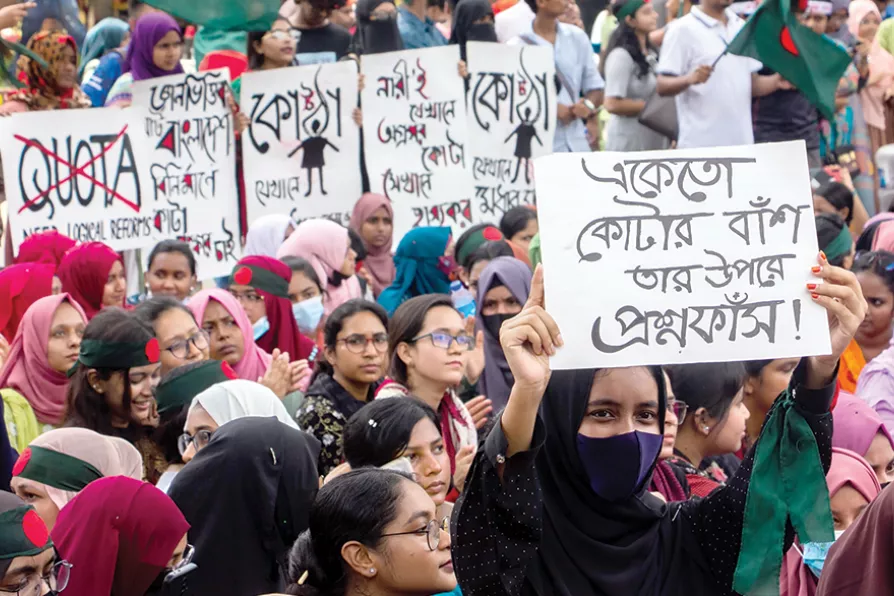 END LEGALISED NEPOTISM: Students launched the ‘Bangla Blockade’ demanding the scrapping of the discriminatory quotas system in public service on July 11 2024
[Rayhan9d/CC]
END LEGALISED NEPOTISM: Students launched the ‘Bangla Blockade’ demanding the scrapping of the discriminatory quotas system in public service on July 11 2024
[Rayhan9d/CC]
by the Greater Manchester Workers’ and Tenants’ Association
The US relationship with Israel has evolved into a strategic liability, argues RAMZY BAROUD
A champion motorcyclist, trade union organiser and communist, Clem Beckett went from Britain’s speedway tracks to the battlefields of Spain, where he gave his life resisting Franco’s forces at Jarama. GEOFF BOTTOMS pays tribute to this remarkable anti-fascist
The greatest threat to democracy may no longer come from political parties but from unelected tech oligarchs like Peter Thiel and his powerful Silicon Valley network, argues JOHN GREEN
Claiming to ease a fertiliser shortage, the Trump administration has suspended tariffs on Moroccan phosphate imports – deepening US support for the Morocco’s control over Sahrawi territory, writes LUKE ROTELLO


THE political situation nearly a month after the uprising in Bangladesh has generated a ferment of ideas about what to do next from a diverse range of social forces.
It has also led to demands being made on the interim government by all and sundry. All this is to be expected and reflects what has happened in other parts of the world where people’s upsurges have taken place. Let’s review the forces at work.
First, there’s an influential body of people who argue the problem of democracy in Bangladesh stems from an original sin in the constitution. The enactment of the constitution in 1972, written in English and then translated into Bengali, was ratified by a parliament whose members were elected in Pakistan.

Similar stories

As antisemitism grows, the labour movement must recommit to defence of minorities while navigating the complexities of Gaza and global politics, argues NICK WRIGHT
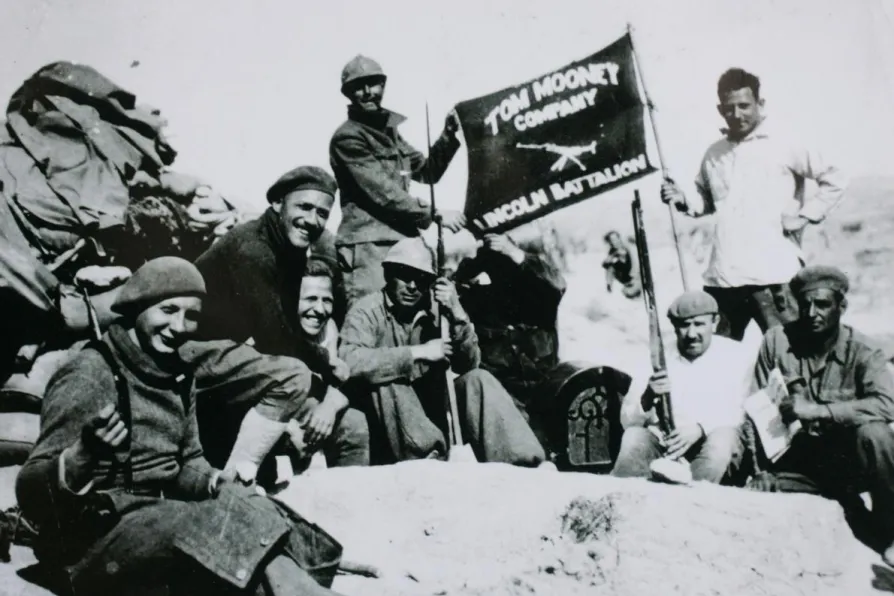
CJ ATKINS commemorates one of the most dramatic moments in working-class history
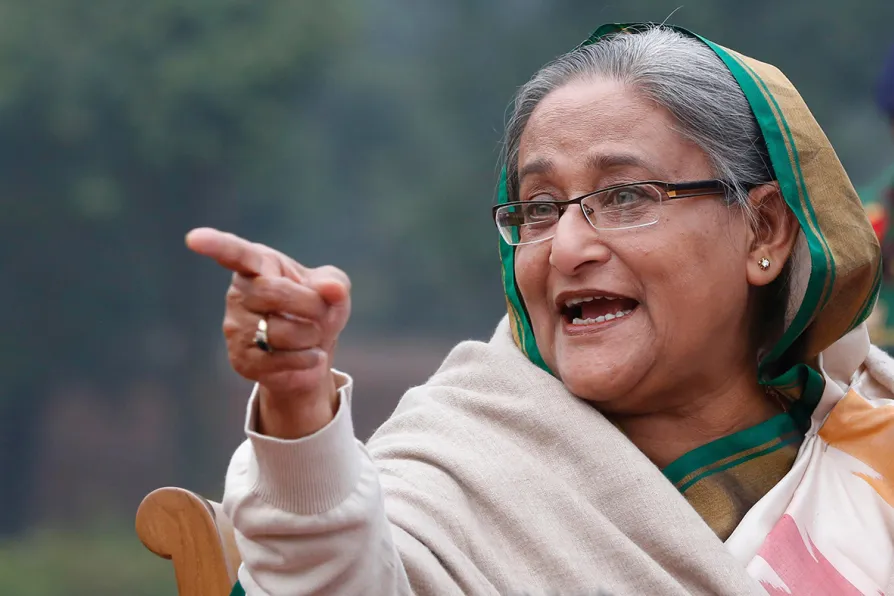
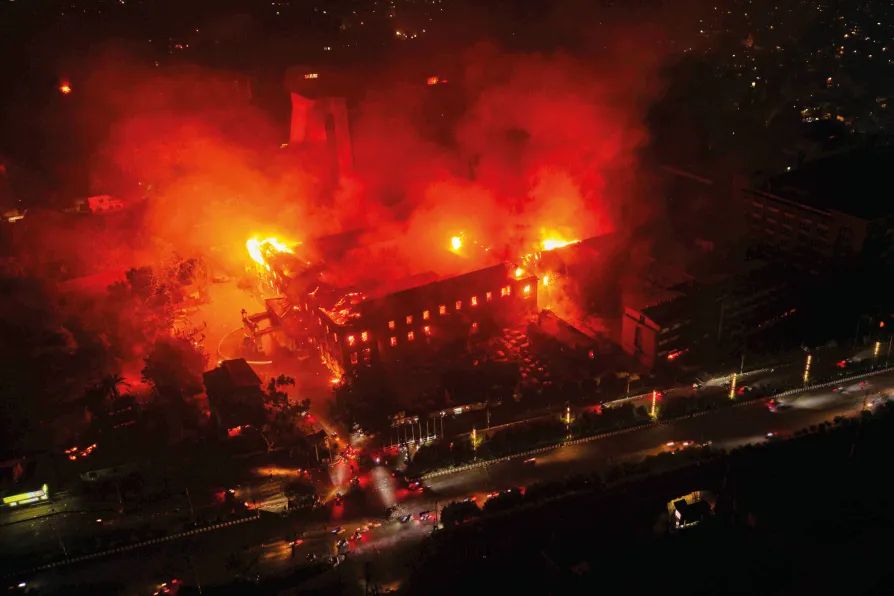
Following the resignation of Nepali Prime Minister KP Oli amid mass youth-driven protests, different narratives have circulated which simplify and misrepresent the complexities and reality on the ground in Nepal at the roots of this crisis, argue VIJAY PRASHAD and ATUL CHANDRA