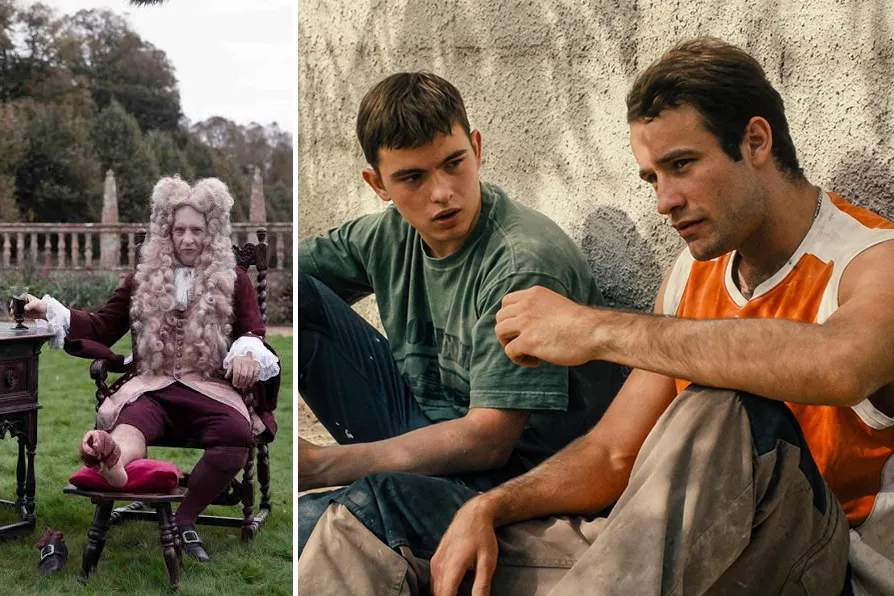
MARIA DUARTE, FIONA O’CONNOR and ANDY HEDGECOCK review Savage House, Enzo, Madfabulous, and Erupcja


 Latest editorial
Who can impose peace?
GORDON PARSONS examines a historical account of the legal attempts to contain warfare that continue to fail to prevent slaughter
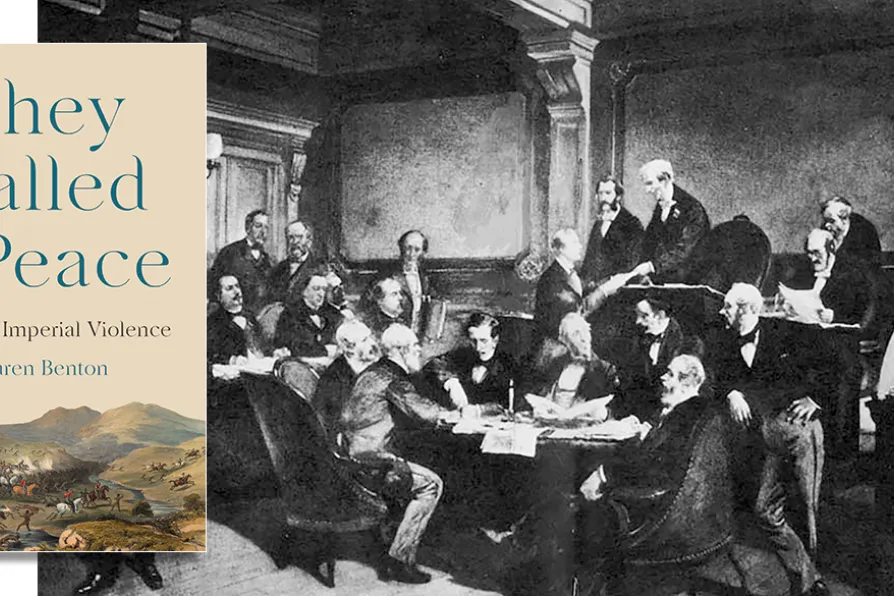 PAPERING OVER THE CRACKS: The 1864 Geneva Convention
[Public Domain]
PAPERING OVER THE CRACKS: The 1864 Geneva Convention
[Public Domain]
CHRIS SEARLE recommends a work of love and deep admiration for a great musician
KENNY MacASKILL relishes a fictionalised account of the life and death of the principled Irish anti-colonialist, executed for betraying his English imperial masters
FIONA O’CONNOR admires an ambitious first novel that loosens South Africa’s rainbow collective to examine the racial tensions within
Aussie mining corporation murder, Liverpudlian ex-cop amnesia, a naive vigilante tries to reset capitalism, and the riddle of the dead psychoanalyst
SYLVIA HIKINS is persuaded by an entertaining play that the true miracle of Lourdes would be for attitudes toward disability to change


They Called it Peace
Lauren Benton
Princeton University Press, £35
HISTORIANS, who necessarily hope that their analyses and commentaries of the past may profit humanity in the future, are often upstaged by current events.
Lauren Benton’s study is designed to explore how efforts to place limits and controls on the behaviour of warring European nation states throughout the pre-imperialist and imperialist period, as they struggled to dominate and exploit the rest of the world, have rarely if ever been more than partially successful.
The ongoing, explosive Israeli killing spree, clearly unconcerned with war crimes and collateral damage (which an Israeli friend explained as “more land, fewer Arabs” when I visited the West Bank some years ago) has surely swept away any pretence at “legalising” warfare in the future.

Similar stories
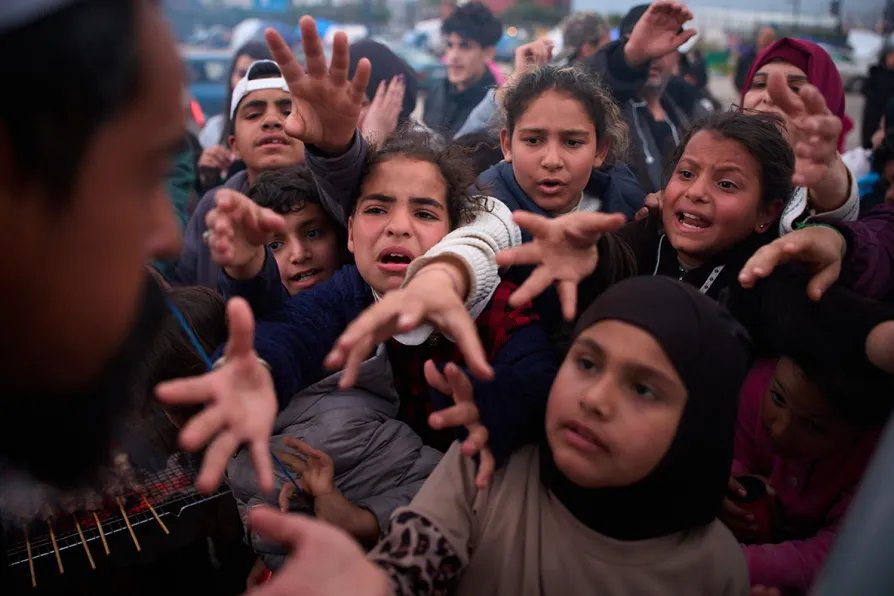
ANSELM ELDERGILL looks at the legality of the wars in the Middle East and the means used to fight them. It is said that truth is the first casualty of war, so what is the truth with regard to the legality of America’s and Israel’s wars in Iran, Palestine and Lebanon?
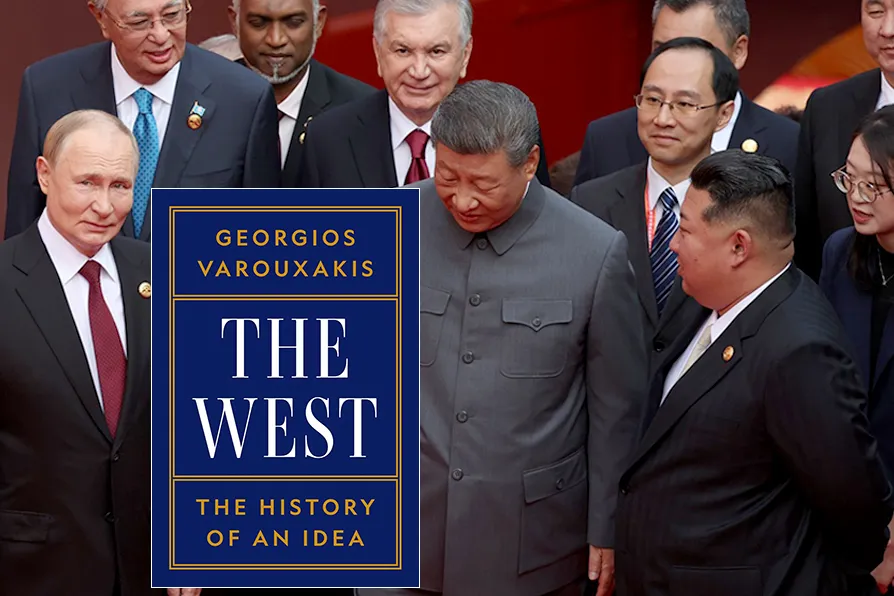
BRENT CUTLER is intrigued by the imperialist, supremacist and contradictory history of a word that is used all too easily

In a speech to the 12th Xiangshan Forum in Beijing, SEVIM DAGDELEN warns of a growing historical revisionism to whitewash Germany and Japan’s role in WWII as part of a return to a cold war strategy from the West — but multipolarity will win out
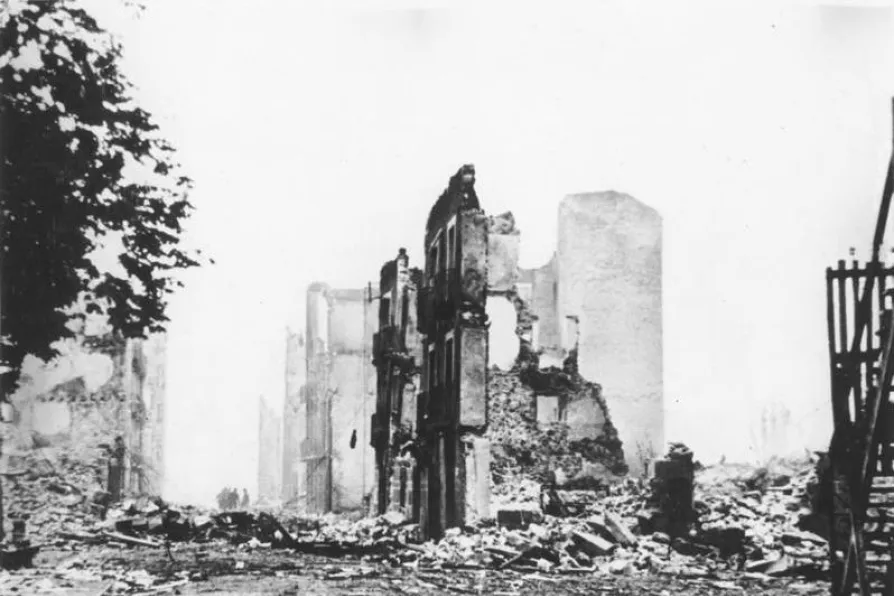
While politicians condemned fascist bombing of Spanish civilians in 1937, they ignored identical RAF tactics across the colonies. Today’s aerial warfare continues this pattern of applying different moral standards based on geography and race, write ROX MIDDLETON, LIAM SHAW and MIRIAM GAUNTLETT