Latest editorial



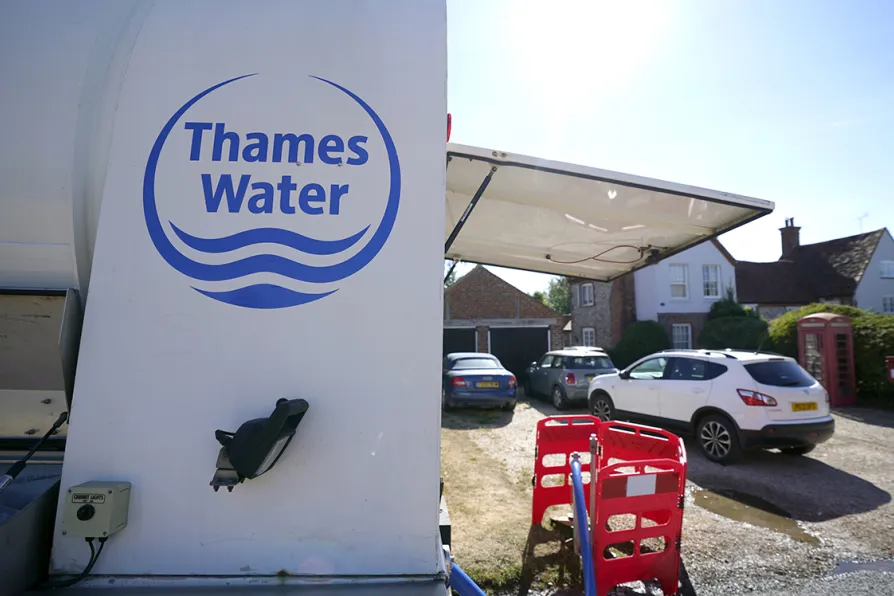
THE editorial in yesterday’s Morning Star highlighted the scandal of England’s privatised water and sewage industry.
Monopolies polluting the rivers, seas and beaches have been fined hundreds of millions of pounds as the result of belated action by the Environment Agency and the Competition and Markets Authority (CMA), hamstrung though these regulators are by a lack of resources and their ideological commitment to free-market capitalism.
Today, it’s the turn of the pharmaceutical monopolies. The CMA has just levied fines totalling more than £260 million on more than seven firms for a range of abusive practices which have defrauded the NHS of hundreds of millions of pounds.
Auden Mckenzie and Actavis UK (now both Accord-UK) grossly overcharged the NHS for life-saving hydrocortisone tablets and bribed potential competitors AMCo (now Advanz Pharma) and Waymade to stay out of the market.
That enabled Auden Mckenzie, for example, to jack up the price of a box of tablets from 70p to £88 after de-branding the drug and escaping contractual price caps.
Past and present parent companies Intas and Allergan (both of Accord) and private equity outfit Cinven (Advanz) have also been fined. Other cases are reportedly in the pipeline.
Not surprisingly, there will be appeals against the fines. The drug companies know that regulatory sanctions now expose them to private prosecution by the NHS for substantial damages.
In recent years, drug companies swindling the NHS by overcharging and preventing the entry of cheaper generic drugs into the market have included such giants as GlaxoSmithKline, Concordia and Pfizer.
Yet the prospect of financial penalties in the courts in addition to regulatory fines does not appear to have deterred these corporate crooks. And why should they? The sums involved are petty cash compared with the billions in profit to be made from the NHS every year.
Annually, the NHS spends £21 billion on drugs before secret discounts and the bill has recently been rising by 10 per cent a year.
These discounts are only possible because the NHS is a near-monopoly customer — a benefit which keeps prices somewhat below those charged by Big Pharma in the US.
Public money has already funded much of the research and development needed to produce the vital pharmaceutical products used by the NHS to treat cancer, athritis and multiple sclerosis — yet these are among the most expensive drugs purchased by the NHS.
In any event, a single drug company director has yet to go to prison.
It’s a similar story in the water industry. Outright crookery, cover-ups, lies and immeasurable damage to the public good — not to say the public purse — and yet no robbing fat cat gets to eat a day’s porridge.
Shoplifting or selling cannabis is infinitely more likely to land the culprit in prison than cheating the NHS, ripping off water consumers and releasing hundreds of tonnes of raw sewage into the rivers and oceans.
So what does the Labour Party propose? Under Jeremy Corbyn’s leadership, the party’s Medicines for the Many programme advocated policies to limit prices and establish a publicly owned generic drugs manufacturer to supply the NHS.
Since the change of leader there has been only silence. Neither Keir Starmer, a former director of public prosecutions, nor shadow health secretary Jonathan Ashworth have any positive proposals to challenge the drug companies and end the NHS rip-off. No public ownership, no prison, nothing.
What a betrayal of the ideals of Aneurin Bevan and the Labour governments of 1945-51.


Channel 4’s Dirty Business shows why private companies cannot be trusted with vital services like water, says PAUL DONOVAN
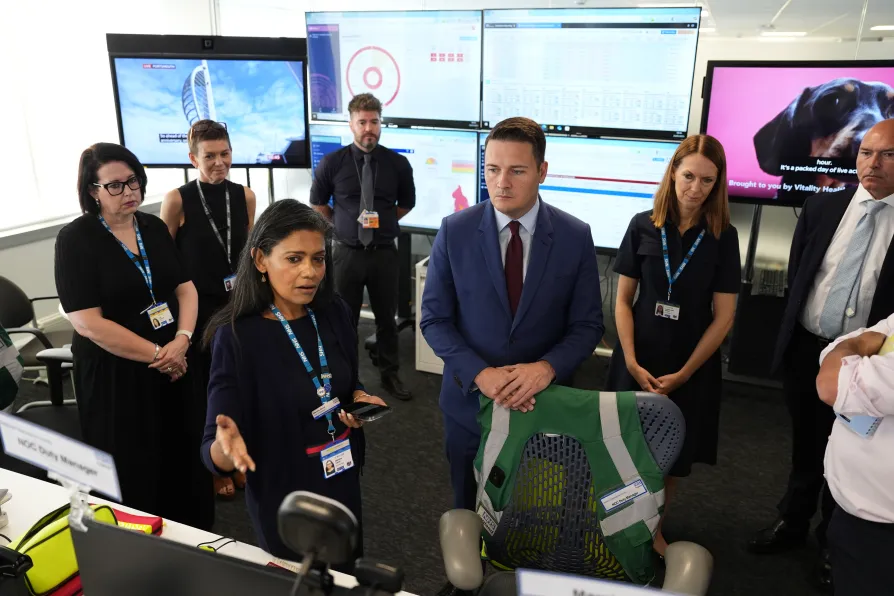
Politicians who continue to welcome contracts with US companies without considering the risks and consequences of total dependency in the years to come are undermining the raison d’etre of the NHS, argues Dr JOHN PUNTIS