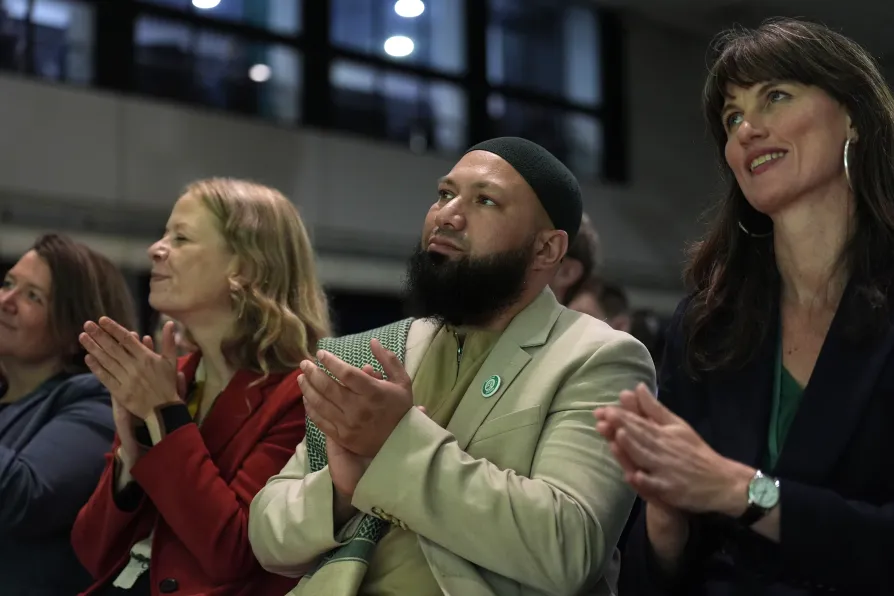
Green Party deputy leader MOTHIN ALI, who will speak at the International Anti-War Conference in London on June 20, says Britain needs to rethink its priorities – and its allies


 Latest editorial
Women prove their worth
In the third extract from her new memoir, former NUM headquarters staffer HILARY CAVE recounts how women throughout the striking coalfields showed their mettle when the going got tough
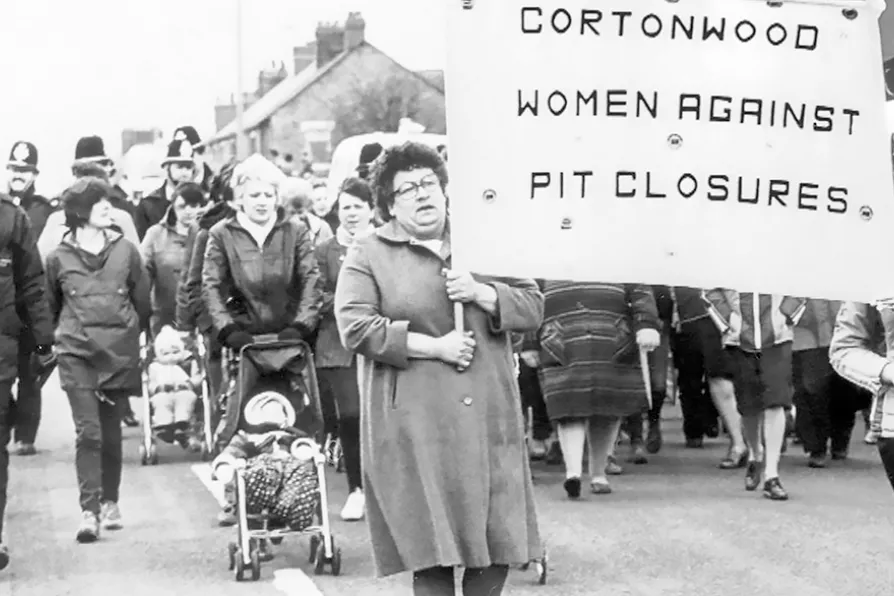 LOYAL TO THE BITTER END: Women walk past Cortonwood pit as the miners strike draws to a close
From Global Counsel to Arden, SOLOMON HUGHES finds firms linked to discredited politicians are still calling the shots in Britain
KEVIN COURTNEY explains why Reform UK is no friend to workers or trade unions, but just another party of the super-rich
EMMA DENT COAD explains why she is stepping down from the council after 20 years and how the legacy of the fire still haunts the area
While international attention focuses on ceasefire frameworks, Israel is openly advancing plans for a permanent expansion of its control over Gaza, writes RAMZY BAROUD
Researchers PAUL HOLDEN and JESSICA MURRAY are calling for whistleblowers and documentary records to uncover how Labour Together helped build the parliamentary majority that now dominates the Labour Party


ONCE the strike began grassroots women’s groups started to grow in the coalfields. They set up communal kitchens and prepared food parcels, persuading food shops to offer discounts for their bulk-buying operations.
Local shops, whether independents or branches of large chains, had an interest in offering such discounts in strike areas because their takings had plummeted once miners had little or no income.
Soon the sheer scale of need, with their children hungry and needing new clothes, forced the women’s groups to expand their activities. They began hunting for donations of second-hand clothes, shoes, children’s pushchairs and babies’ bottles.

Similar stories

KEVIN COURTNEY of Stand Up to Racism and JOHN PAGE of the Ella Baker School of Organising announce a joint project aiming to unite trade unions and social movements in creating new narratives to fight the divisive rhetoric of the far right

Maggie Bowden was a trailblazing campaigning lawyer at Birnberg and Thompsons, women’s organiser of the Communist Party, and general secretary of Liberation
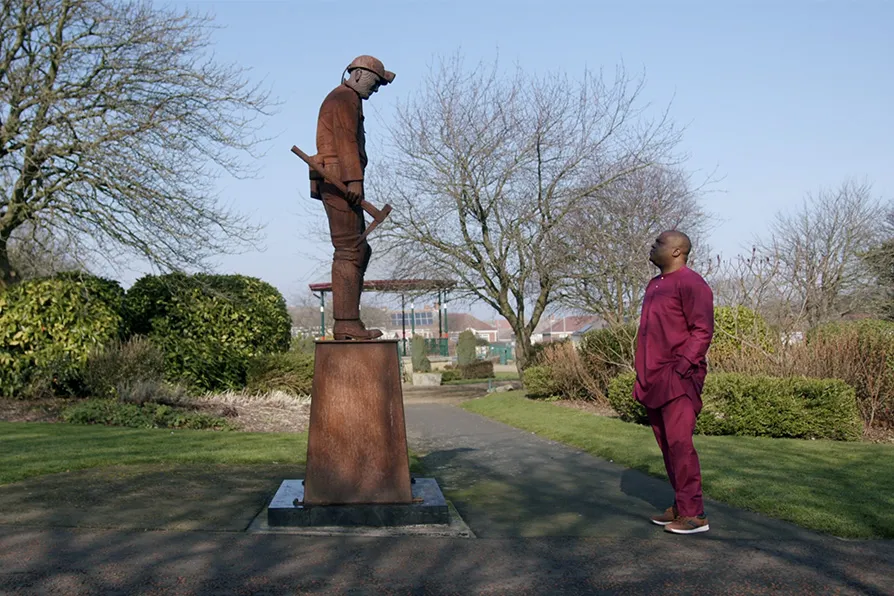
MIKE QUILLE applauds an excellent example of cultural democracy: making artworks which are a relevant, integral part of working-class lives
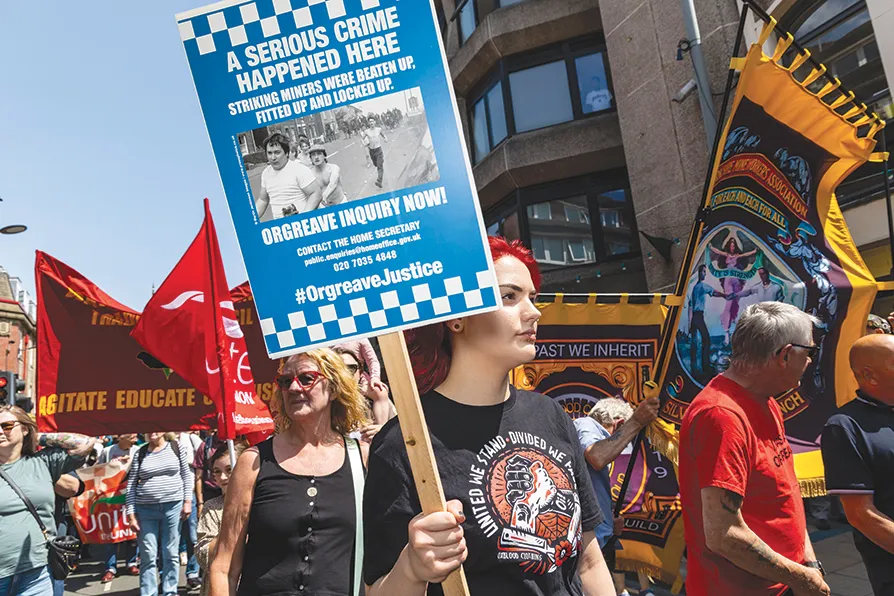
The Home Secretary’s recent letter suggests the Labour government may finally deliver on its nine-year manifesto commitment, writes KATE FLANNERY, but we must move quickly: as recently as 2024 Northumbria police destroyed miners’ strike documents