

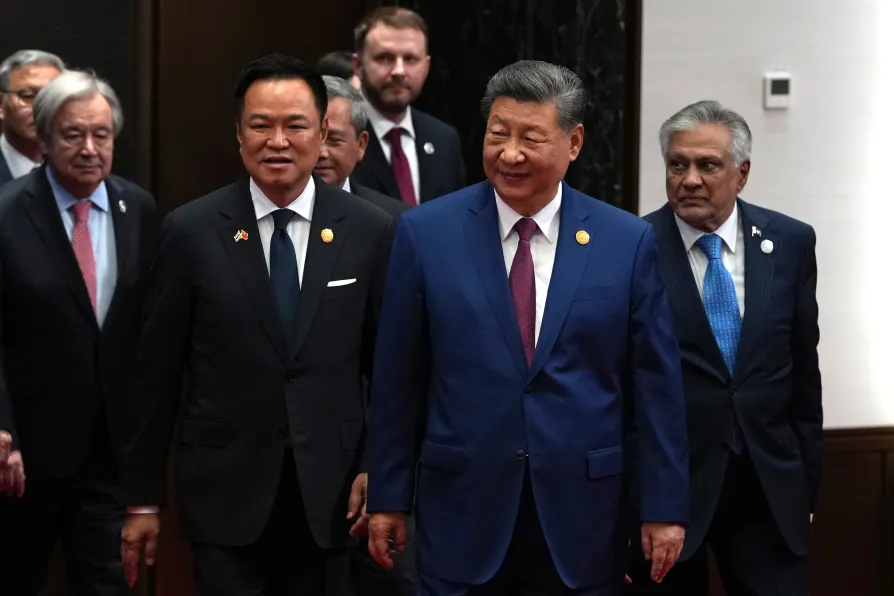
 GLOBAL CALL: From left, UN Secretary-General António Guterres, Thailand Prime Minister Anutin Charnvirakul, Chinese President Xi Jinping and Pakistan Deputy Prime Minister Mohammad Ishaq Dar



THE development and governance of artificial intelligence should be a global effort and not dominated by any single nation, Chinese President Xi Jinping said on Friday.
Speaking at the opening of China’s annual World Artificial Intelligence Conference in Shanghai, President Xi said AI should not be “a solo performance by any single country but rather a symphony of global co-operation.”
Others attending included the leaders of Kazakhstan, Cambodia and Thailand and United Nations secretary-general Antonio Guterres.
President Xi said: “We should together oppose the practice of overstretching the concept of national security in the field of artificial intelligence, and of placing one’s own security above that of other countries.”
President Xi also highlighted the need for a “people-centred” approach to AI with humans at the wheel.
He said: “We should put in place laws and regulations, technological monitoring, early warning and emergency response systems in order to ensure AI is always under human control.”
President Xi said China was expanding AI co-operation with the Association of South-east Asian Nations, the League of Arab States, the African Union, the Community of Latin American and Caribbean States, the Shanghai Co-operation Organisation and the Brics countries.
He promised to provide access for 30 countries to a Chinese-developed AI meteorological tool that provides early warning systems.
Over the next five years, President Xi said China will provide 5,000 AI training opportunities to developing countries.
Closer partnerships can help prevent “historical injustice in AI,” he said.
Ahead of the conference, 29 countries, including Pakistan, Russia and Kazakhstan signed an agreement with China to establish a World Artificial Intelligence Co-operation Organisation.
During the conference, which runs until Monday, tech giant Huawei is showcasing its powerful AI computing system, the Atlas 950 SuperPoD.
Many technology analysts now believe China has become an innovator in AI and is no longer just catching up with the US. China’s five-year plan until 2030 has prioritised progress in the frontiers of science and technology, including AI.
China’s open-source AI models, like DeepSeek, are seen as more affordable than US AI models, which are largely closed-source.
China is also seen as holding the edge in powering the huge data centres that run on AI chips.
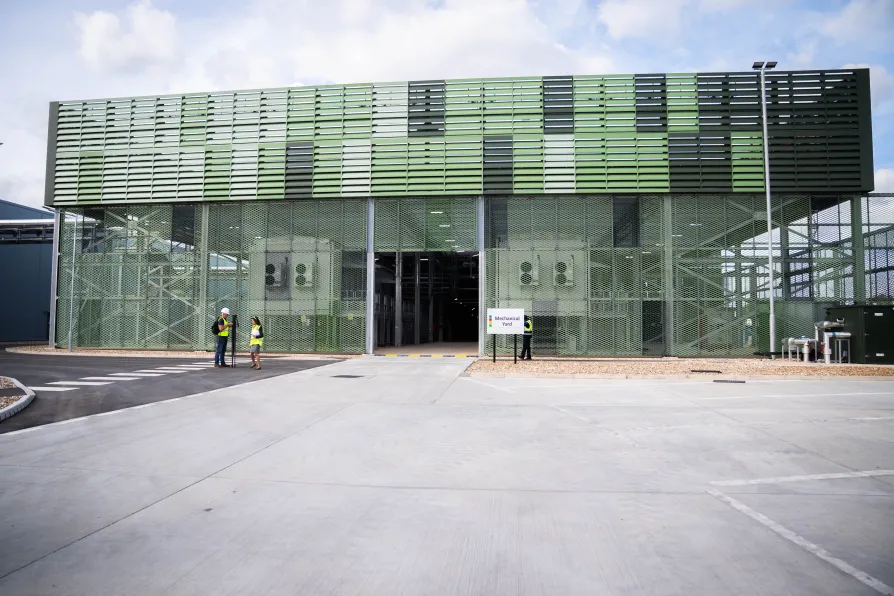
A typical data centre can consume as much electricity as 100,000 households, while next-generation “hyperscale” facilities can gobble up as much power as two million homes, according to the International Energy Agency.
China’s access to an abundant supply of cheap electricity places it in the ideal position to meet such colossal energy demands.

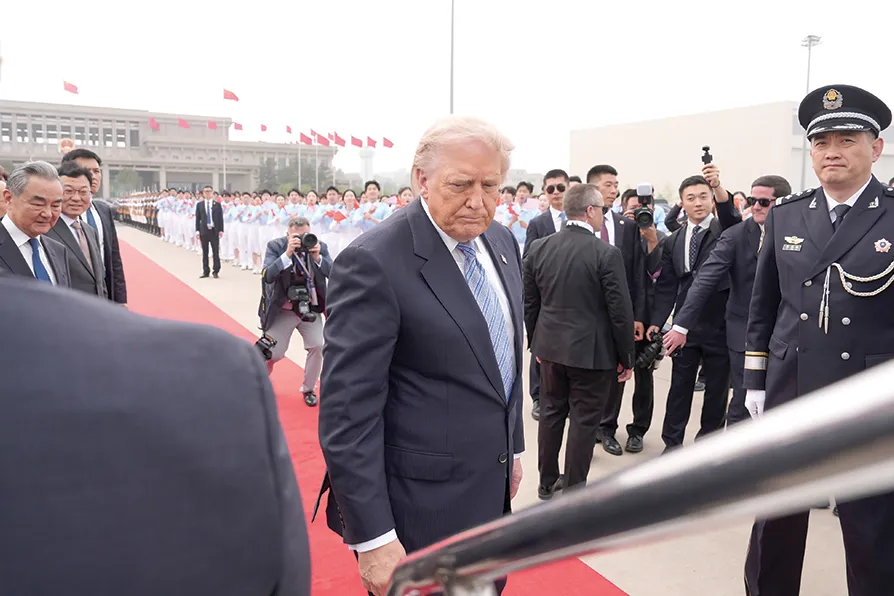
JENNY CLEGG looks at the key points that defined the China-US relationship, for now
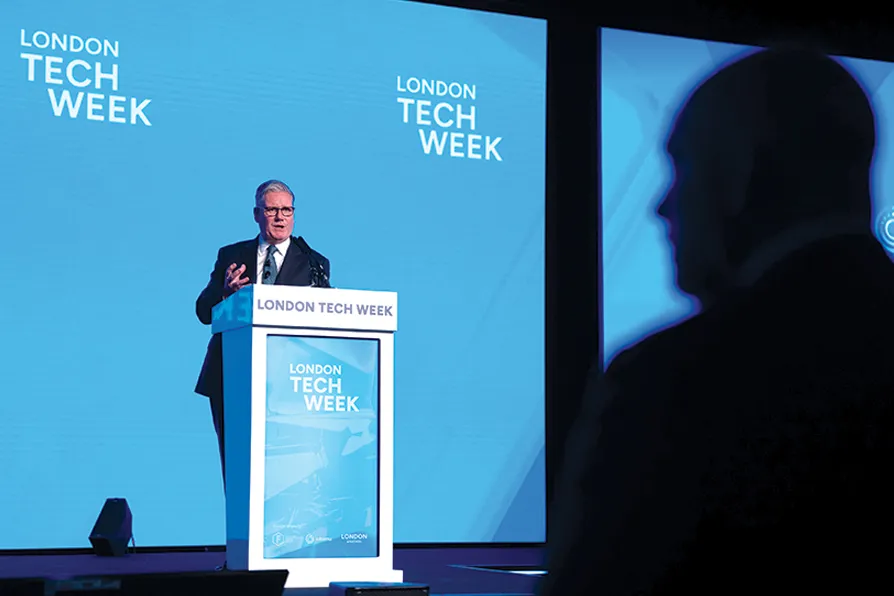
In the second and final part of his article MIKE SCOTT posits that if we don’t control AI while we’ve got the chance, we could be signing the death warrant for our children and grandchildren
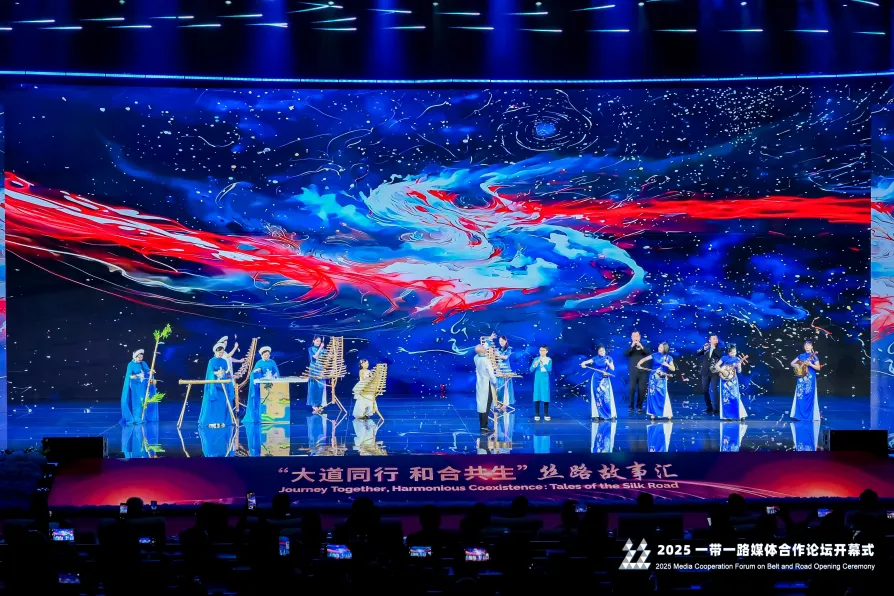
Morning Star editor BEN CHACKO reports from the start of Kunming’s Belt and Road media forum, where 200 journalists from 71 countries celebrated a new openness and optimism, forged by China’s enormous contribution to global development