PAUL DONOVAN is chilled by the contemporary resonance of Harper Lee’s coming of age tale amidst racism and white supremacy in this excellent production


 Latest editorial
The Great Beauty (15)
Life is sweet in the eternal city
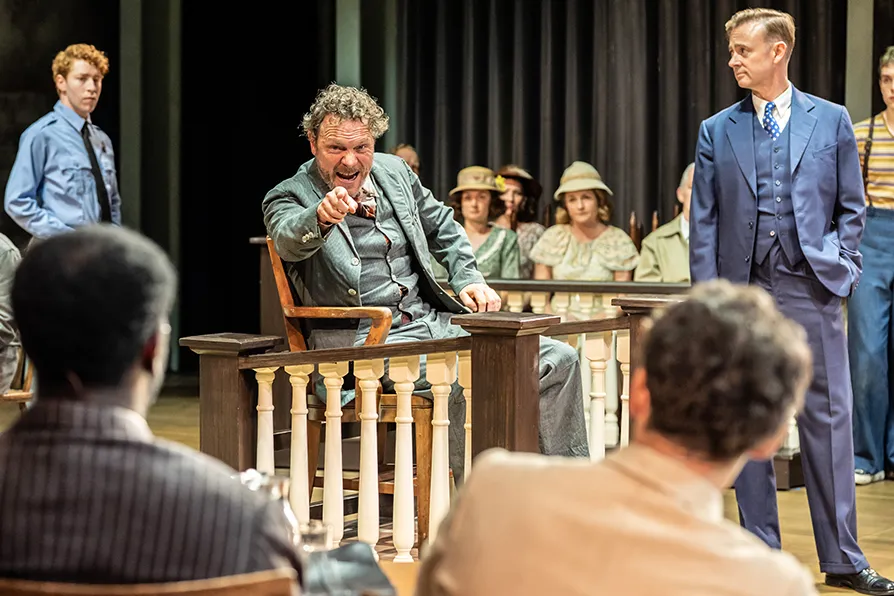
GEOFF BOTTOMS recommends the unashamedly light-hearted escapism on offer in this stage version of the 1963 film
Full of mysterious religious references and radical sound design, the Scottish duo’s new offering is candidate for album of the year, suggests SIMON DUFF
MARY CONWAY revels in a powerful reminder that human lives are not defined by physical perfection
PAUL DONOVAN recommends the fine performances in this account of the pre-war meeting between the US president and the British king
TECLYN AROD relishes an intimate celebration of jazz improvisation that mixes local and national musicians


The Great Beauty (15)
Directed by Paolo Sorrentino
One of the great hits at this year’s Cannes Festival, Italian director Paolo Sorrentino’s portrayal of Jep Gambardella, a middle-aged and successful writer, is a film you’ll love or hate.
Originally from Naples and living in Rome, Gambardella is a grotesque mixture of hedonism and vulnerability. Not exactly handsome, he’s nevertheless a charmer with eclectic tastes who’s surrounded by women.
Living mainly at night, he wanders the city attending dinners and parties set on beautiful terraces overlooking the Coliseum in the Italian capital.
There he meets his entourage of friends — mainly left-wing intellectuals, art curators, editors, aristocrats, failed actors and journalists.
Gambardella, melancholic and unsatisfied, searches for a space in the emptiness of a mundane world to experience again the real beauty of life.
Sorrentino’s style is close to his previous films like Il Divo and closer still to the great Federico Fellini’s work.
Visually captivating, the film shows Rome in a fascinating trompe-l’oeil and, as the lights illuminate the city at night, a breathtaking and spectacular view emerges.
A film of visually expressed emotion rather than intellectual rigour, it’s akin to viewing images in an art gallery and each sequence is extraordinarily arresting as fantasy and reality merge seamlessly.
Sorrentino finds beauty not just in buildings but in the detail of a glass, a face or a situation. Everybody in this film is beautiful, like Jep’s boss — a dwarf in an elegant blue dress contrasting with the white marble of her terrace.
A sympathetic study of a place and its people, it has to be one of the best films about Rome since La Dolce Vita. One of the best releases this year, in my book.

Similar stories
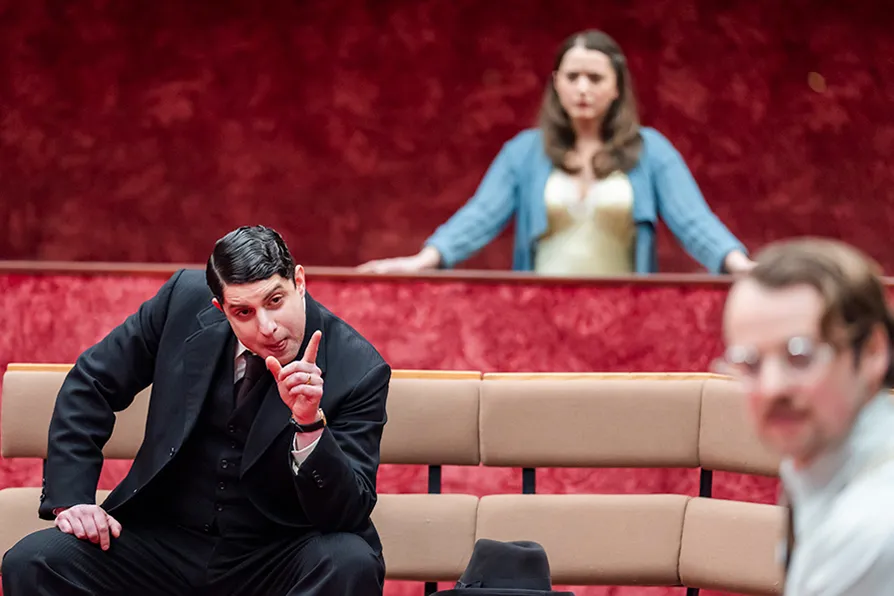
MARY CONWAY is spellbound by superb performances in Arthur Miller’s study of the social and personal stress brought about by Nazi Germany’s Kristallnacht
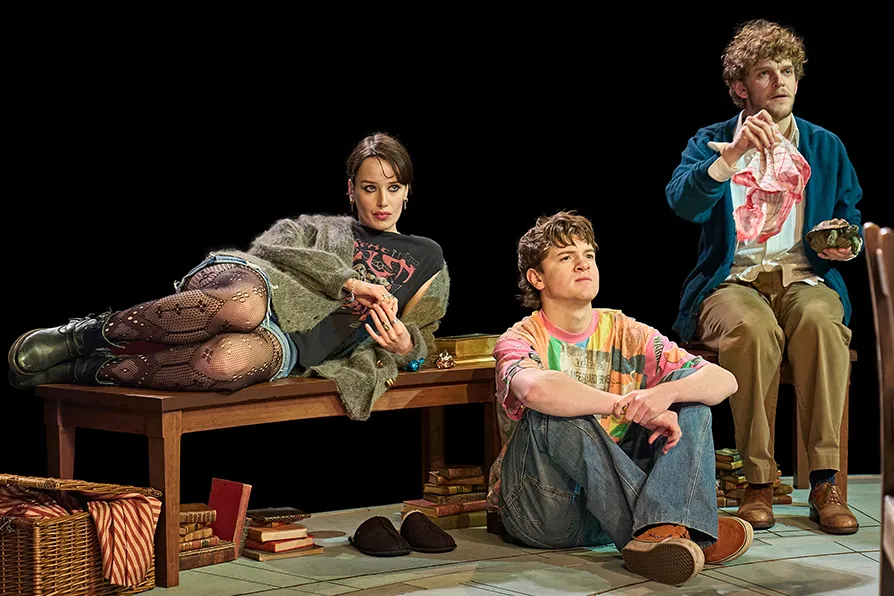
MARY CONWAY becomes impatient with the intellectual self-indulgence of Tom Stoppard in a production that is, nevertheless, total class

MAYER WAKEFIELD has reservations about a two-handed theatrical homage to jazz’s most mercurial musician
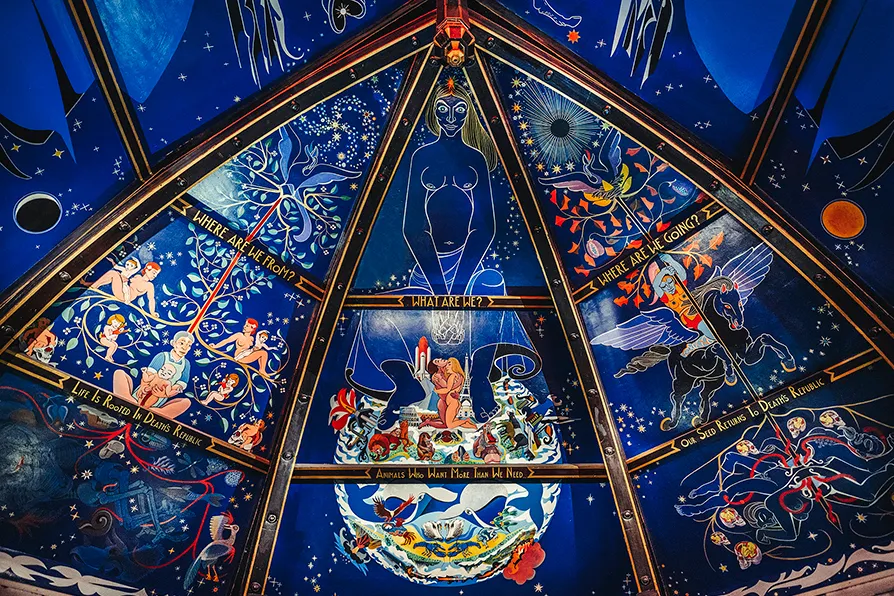
BLANE SAVAGE recommends the display of nine previously unseen works by the Glaswegian artist, novelist and playwright