PCS general secretary FRAN HEATHCOTE explains why opposing war is inseparable from defending jobs, wages and public services – and why readers should come to the London Peace Conference on Saturday June 20


 Latest editorial
How did Wortley Hall become the 'workers' stately home'?
BRIAN CLARKE recently explained Wortley Hall's fascinating history at the South Yorkshire Festival, and here relates it for Morning Star readers
 Wortley Hall
[Jim Probert/CC]
Wortley Hall
[Jim Probert/CC]
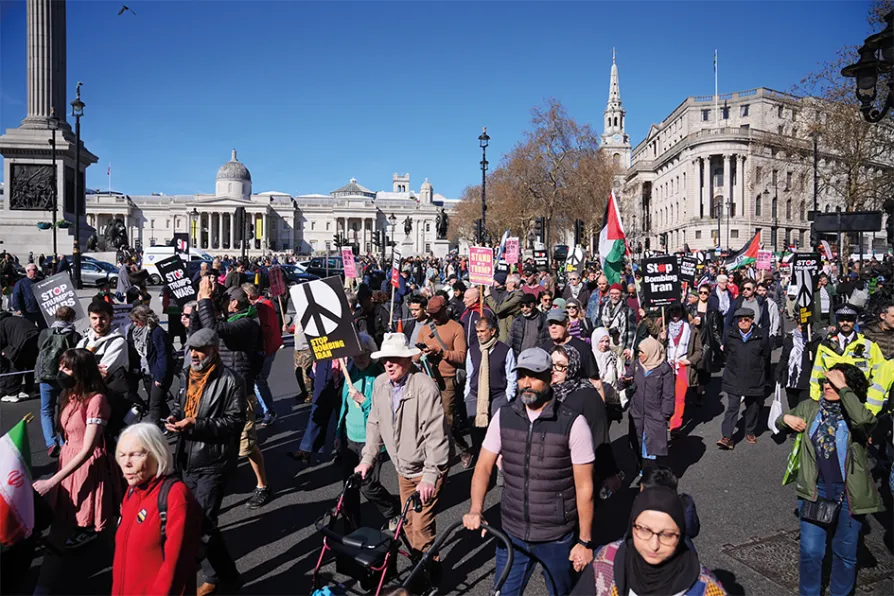
As protests erupt over Henry Nowak’s murder, ANDREW MURRAY argues that anger is being exploited to advance a wider racist and anti-immigration agenda
CARLOS MARTINEZ explains the sound case for car manufacturing co-operation with China
The National Emergency Briefing outlines the need for urgent action to address environmental crisis, says PAUL DONOVAN, warning that there’s no time to indulge the arguments of the fossil-fuel-funded climate-change deniers
Campaigners say criticism of Labour MP Stephen Morgan’s position on Gaza has been met with police intervention and cancelled opportunities for debate. HESTER WOLFE reports
The Committee for the Defence of Iranian People’s Rights warns of escalation danger in Iran war


WORTLEY HALL has two histories, the first concerning the family who built and lived in the hall and the second when it became “the Workers’ Stately Home.”
Wortley Hall was the ancestral home of the Earls of Wharncliffe – the lords of the manor of Wortley. The earliest recording being Alnus de Wortley, mentioned in the Pipe Rolls for 1165. During the English civil war of 1642-51, Sir Francis Wortley commanded a loyalist garrison based at Wortley Hall.
Wortley Hall fell into decay until the mid-18th century, when Edward Wortley commissioned the rebuilding of the hall. In 1800, James Archibald Stuart Wortley and his wife Caroline Creighton should have taken up residence, but were unable to do so because for some reason the architect had omitted to include a staircase.

Similar stories
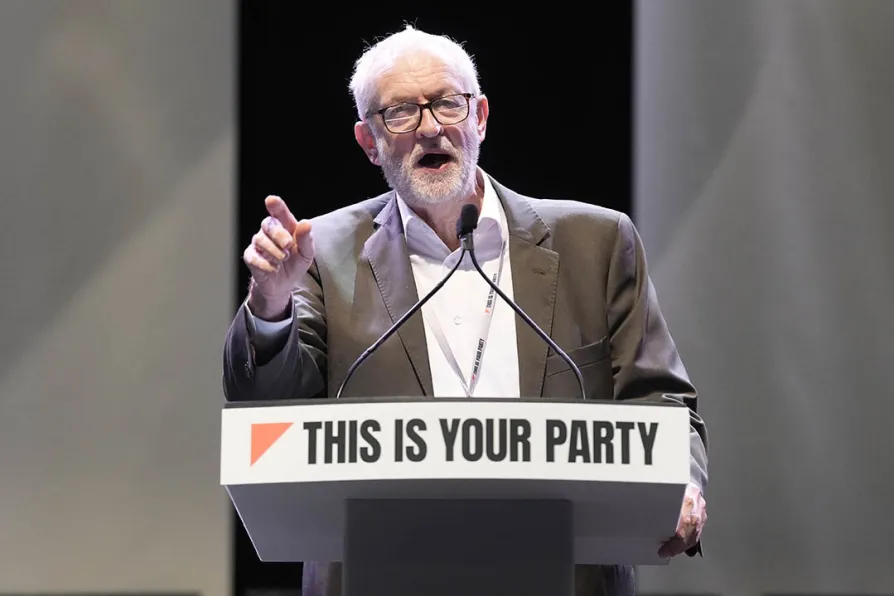
Your Party can become an antidote to Reform UK – but only by rooting itself in communities up and down the country, says CLAUDIA WEBBE
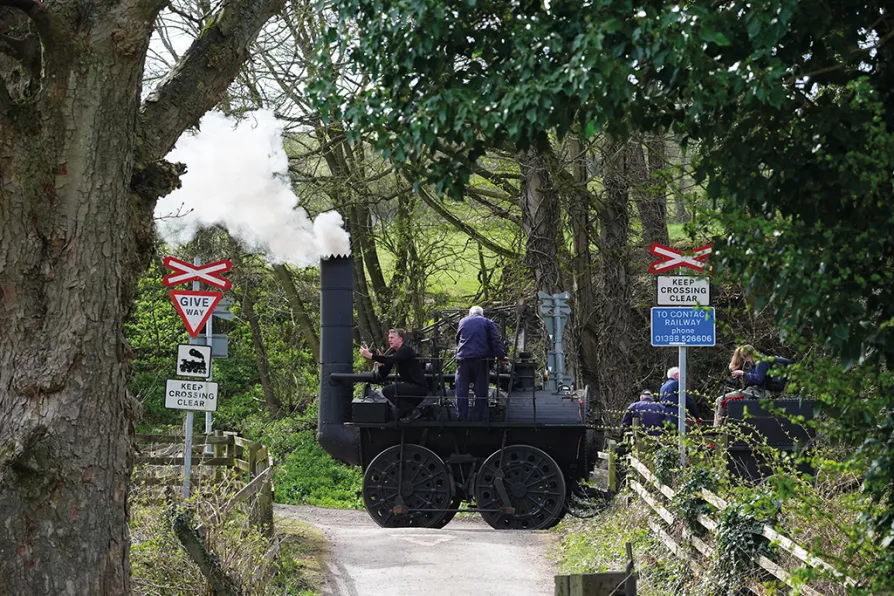
Two-hundred years ago, on September 27 1825, the world’s first passenger railway line was opened between Stockton and Darlington. MICK WHELAN, general secretary of Aslef, the train drivers’ union, reflects on the history – and the future – of Britain’s railway industry
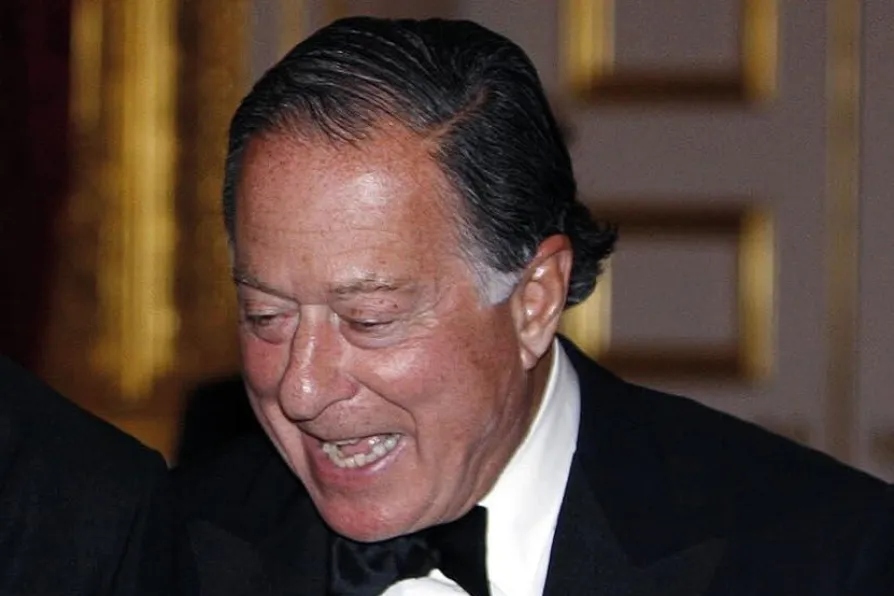
It is rather strange that Labour continues to give prestigious roles to inappropriate, controversy-mired businessmen who are also major Tory donors. What could Labour possibly be hoping to get out of it, asks SOLOMON HUGHES
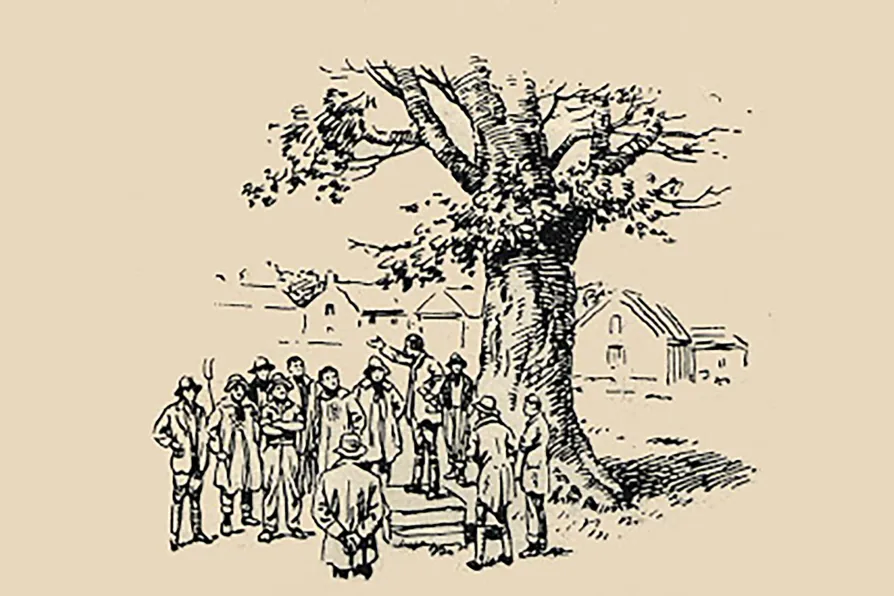
ANSELM ELDERGILL examines the legal case behind this weekend’s Tolpuddle Martyrs’ Festival and the lessons for today