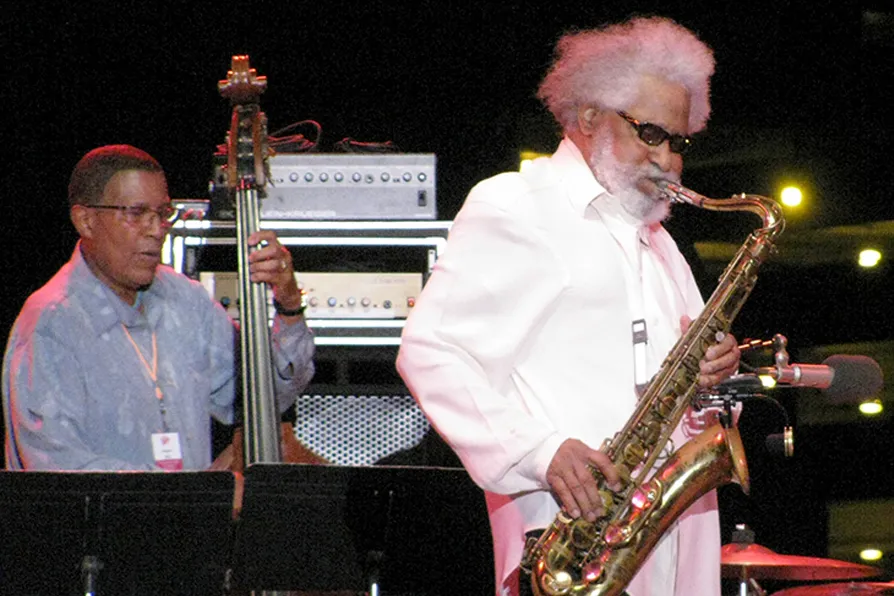
RICHARD WORTH relishes the fleeting moment and sense of flow of the late, great saxophonist


 Latest editorial
Call that news?
ALEX HALL welcomes a raw and pacy analysis of the tabloid press, an immensely powerful weapon in class control
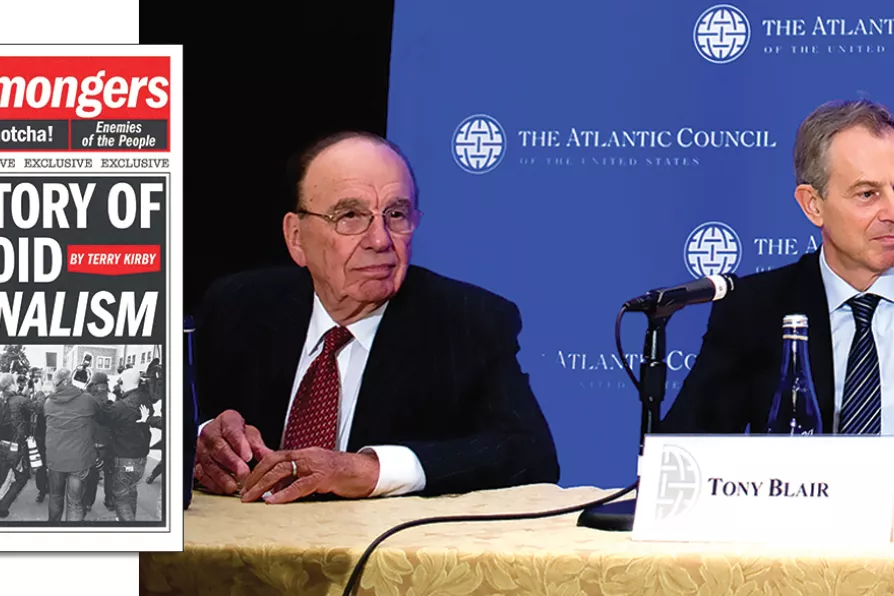 PEAS IN A POD: Tabloid mogul Rupert Murdoch and Tony Blair, a year after he resigned as Britain’s PM, at an Atlantic Council gala, April 21 2008
[US Navy/Wikipedia Commons]
PEAS IN A POD: Tabloid mogul Rupert Murdoch and Tony Blair, a year after he resigned as Britain’s PM, at an Atlantic Council gala, April 21 2008
[US Navy/Wikipedia Commons]
DENNIS BROE notes the thin, unfunny and apolitical quality of the gruel dished up by the US networks and studios for mass consumption
BARBARA BOSWELL remembers South African poet, storyteller, publisher, editor and activist Diana Ferrus (1953-2026)
HELEN VASSALLO recommends a gripping Argentinian crime story about gender violence and the weaponisation of religion
New releases from Steve Swallow, Neil Young & The Chrome Hearts, and Ady Johnson
When the ravages of Alzheimer’s leave an elderly woman marooned in painful memories of October 1950, her grandchild comes up with a creative strategy.
New releases from Simone White, Brass Funkeys, and Souad Massi


The Newsmongers, A History of Tabloid Journalism
Terry Kirby, Reaktion, £20
TERRY KIRBY was one of the founding reporters for The Independent and worked his way through various senior positions in the paper. He now teaches undergraduate and postgraduate courses on journalism at Goldsmiths.
As such, The Newsmongers is a broadsheet journalist’s account of tabloid journalism. It focuses on the narrative of the story, keeps the who-what-when-why-how front and centre, has many central villains, and few heroes.

Similar stories
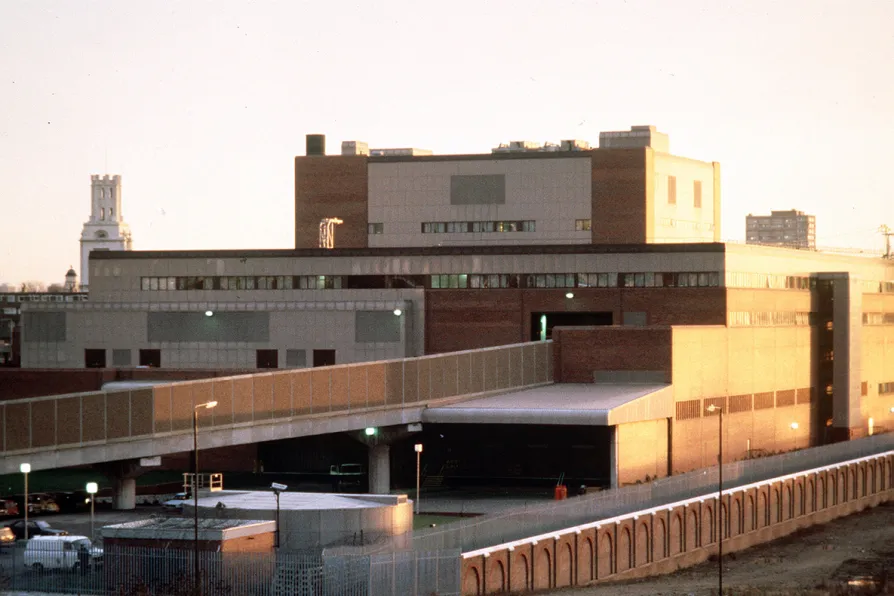
Forty years on, TONY DUBBINS revisits the Wapping dispute to argue that Murdoch’s real aim was union-busting – enabled by Thatcherite laws, police violence, compliant unions and a complicit media
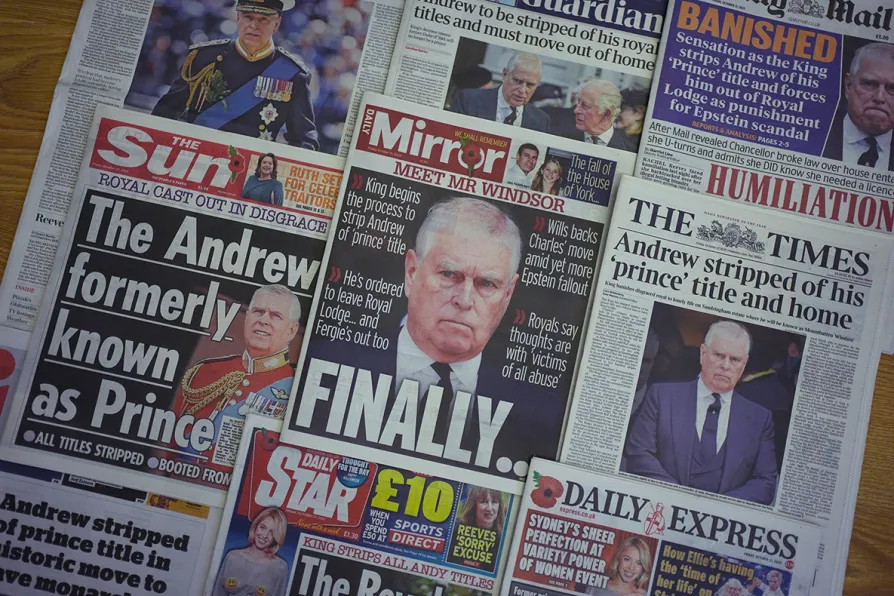
Claims that digital media has rendered press power obsolete are a dangerous myth, argues DES FREEDMAN
![[Pic: Andrew Wiard]](https://morningstaronline.co.uk/sites/default/files/styles/desktop/public/2026-01/19860503_a_wiard_0003.jpg.webp?itok=mR5zV0nE)
The once beating heart of British journalism was undone by technological change, union battles and Murdoch’s 1986 Wapping coup – leaving London the only major capital without a press club, says TIM GOPSILL
![[Pic: Andrew Wiard]](https://morningstaronline.co.uk/sites/default/files/styles/desktop/public/2026-01/19860406_a_wiard_0001.jpg.webp?itok=d2RMNwWw)
LAURA DAVISON traces how Murdoch’s mass sackings, political deals and legal loopholes shattered collective bargaining 40 years ago – and how persistent NUJ organising, landmark court victories and new employment rights legislation are finally challenging that legacy