

 Latest editorial
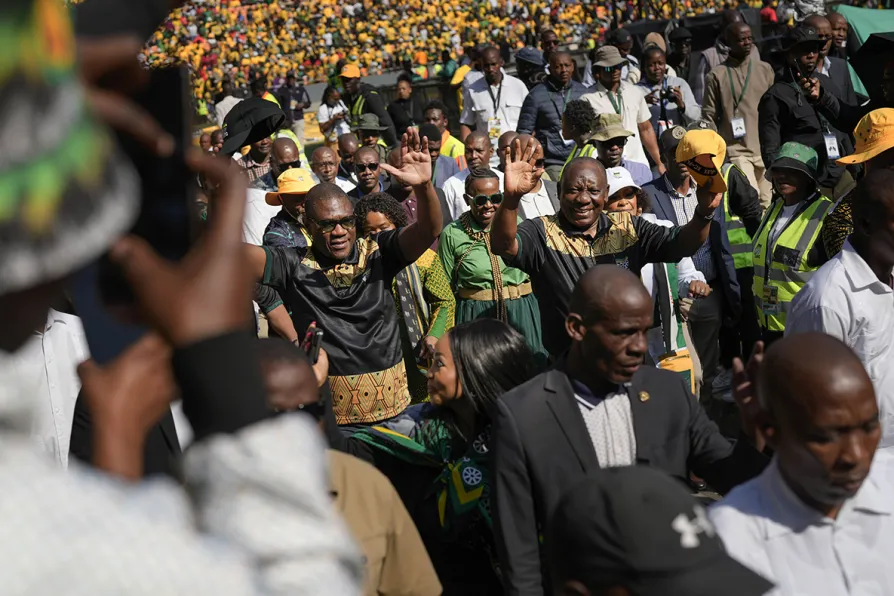 South African President Cyril Ramaphosa greets African National Congress supporters at the Siyanqoba rally at FNB stadium in Johannesburg, South Africa, May 25, 2024



SOUTH AFRICA’S African National Congress (ANC) party will not consider any demands from possible coalition partners that President Cyril Ramaphosa step down, a top official said on Sunday.
This came after the ANC lost its 30-year-old majority after a stinging result in Wednesday’s election.
South Africa has now been plunged into a series of negotiations to form a national coalition government and to maintain stability.

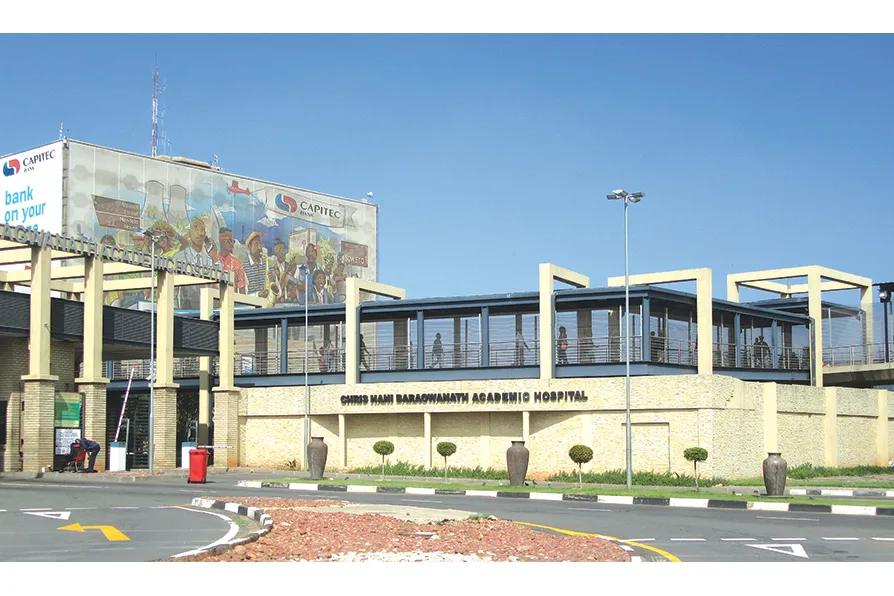
ROGER MCKENZIE recalls the one-in-a-generation communist leader murdered at the dawn of a new South Africa 33 years ago last April 10
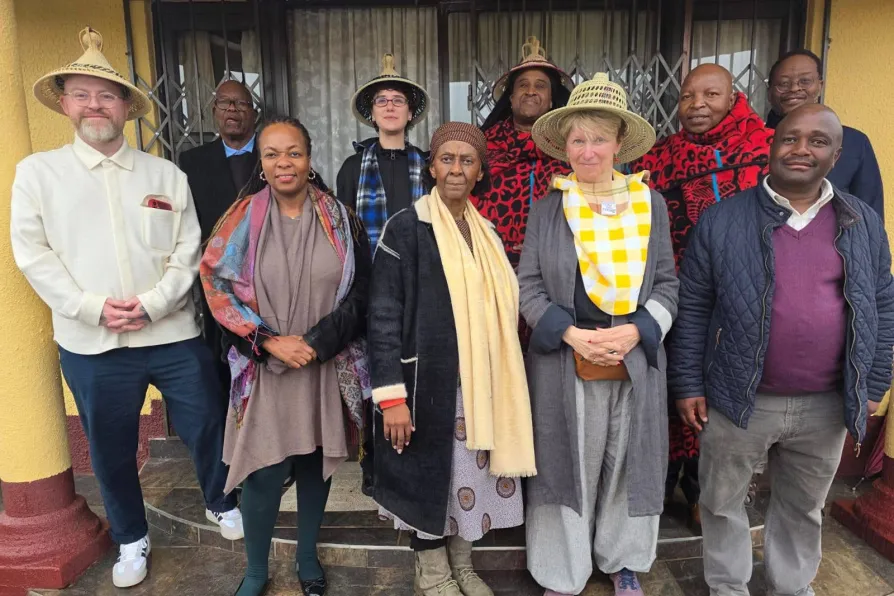
ROGER McKENZIE looks at how ancient traditions practiced today can be the cornerstone of anti-imperialism in Africa
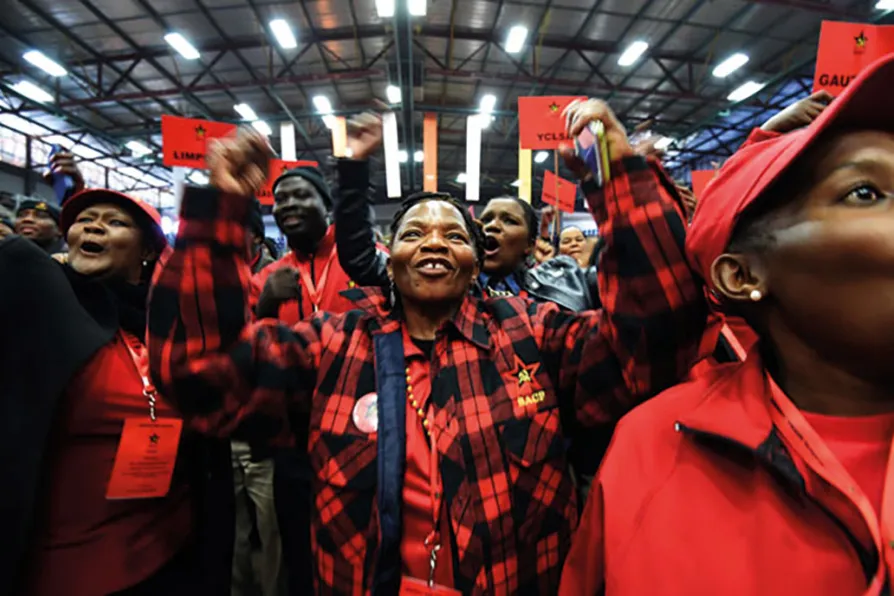
The shared path of the South African Communist Party and the ANC to the ballot box has found itself at a junction. SABINA PRICE reports
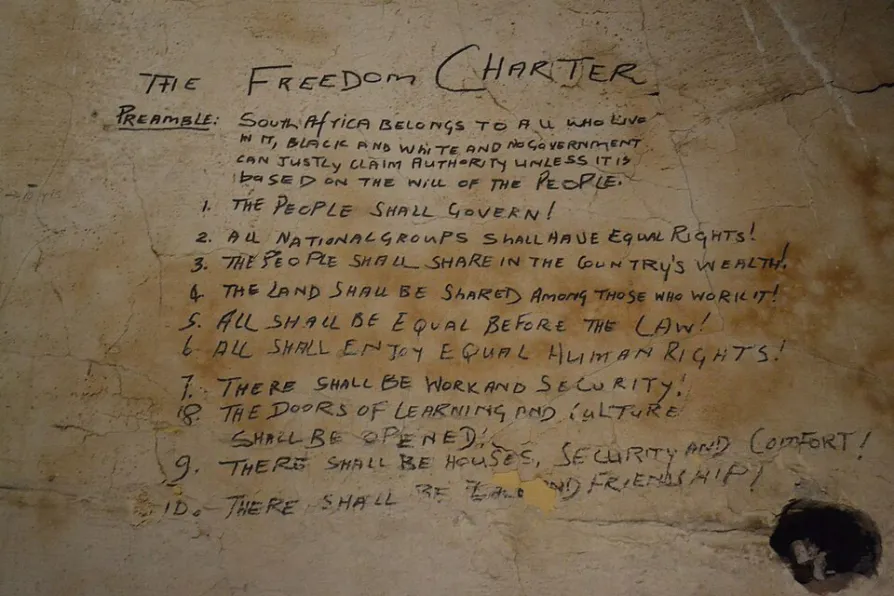
The charter emerged from a profoundly democratic process where people across South Africa answered ‘What kind of country do we want?’ — but imperial backlash and neoliberal compromise deferred its deepest transformations, argues RONNIE KASRILS