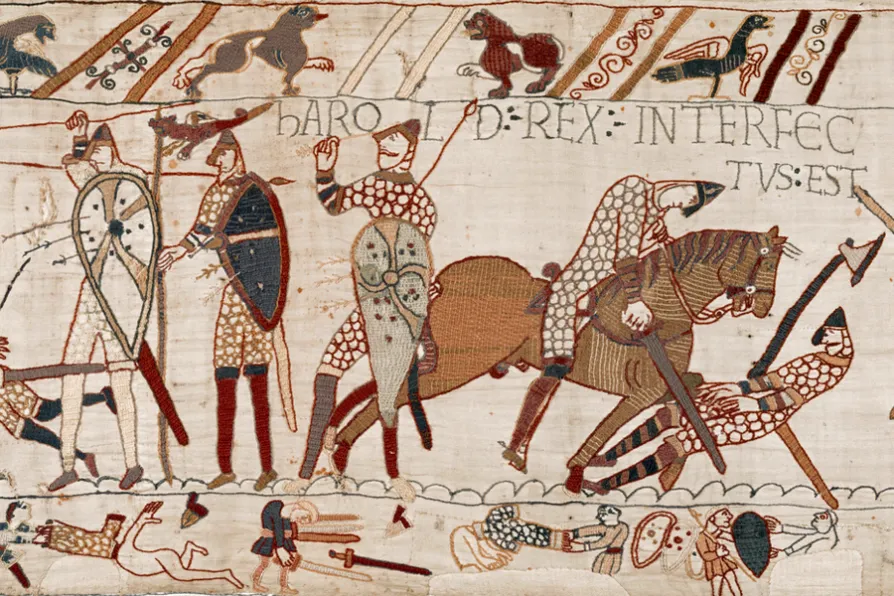
STEPHANIE BROWN draws attention to the hidden labour of the female embroiderers, and how a 19th century replica made no such error


 Latest editorial
Greetings! I was here
MARTIN HALL relishes a history that advocates a dialectical understanding of culture as both representative and transactional
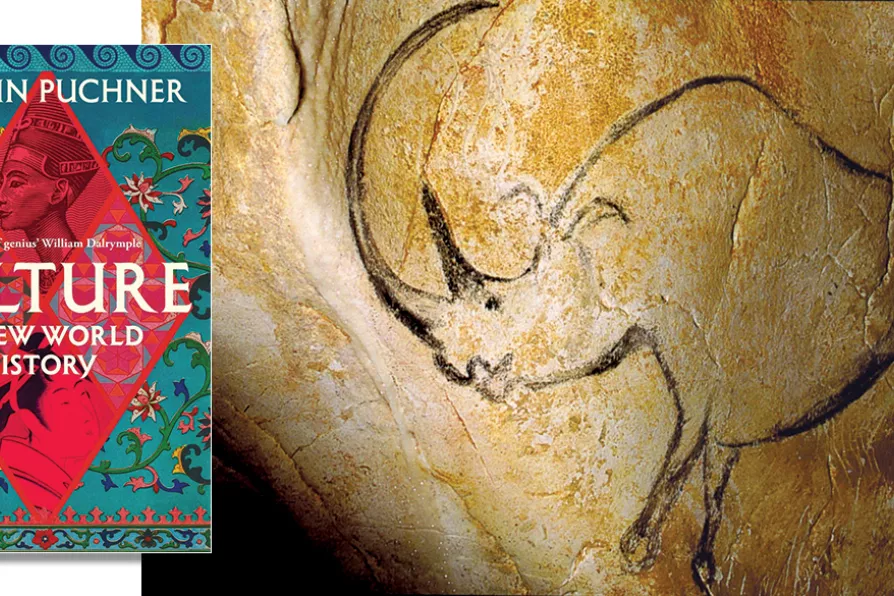 IN THE BEGINNING THERE WAS CHARCOAL: A magnificent rendition of a woolly rhino drawn on the walls of the Chauvet Cave in the Ardeche valley of southern France c37,000 years ago using charcoal from combusting Scots pine oil. The shading as a technique has not been seen before the discovery of the Chauvet Cave
[Inocybe/French Wikipedia/Public domain]
IN THE BEGINNING THERE WAS CHARCOAL: A magnificent rendition of a woolly rhino drawn on the walls of the Chauvet Cave in the Ardeche valley of southern France c37,000 years ago using charcoal from combusting Scots pine oil. The shading as a technique has not been seen before the discovery of the Chauvet Cave
[Inocybe/French Wikipedia/Public domain]
MIK SABIERS revels in a band that ploughs an idiosyncratic furrow of expletive laden, guitar-driven alt rock
ANDY HEDGECOCK, MARIA DUARTE and ANGUS REID review Synthetic Sincerity, Our Hero, Balthazar, Heartstopper Forever, and A Year In London
The bard invites readers to a gig, raps for Clacton, and lays out the Burnham-Hurzeler conundrum
RON JACOBS recommends an important book that enhances the oppositional theories put forth by Fanon and, in doing so, remakes psychology itself
JAN WOOLF relishes an extensive history of our long relationship to trees in Britain that underlines the current emergency
DIANE WATT argues that while evidence of sex is not there, a 16th‑century lesbian poet could be Scotland’s answer to Gentleman Jack


Culture: A New World History
Martin Puchner
Ithaca, £12.99
MARTIN PUCHNER’S Culture: A New World History manages to achieve something not all histories do: to make you come away feeling that you’ve learnt something.
The book’s strength lies in its storytelling as a narrative history constructed from 15 chronological episodes that the author sees as emblematic of the varying ways in which culture has been created, used, discarded and rediscovered, going back to the 14th century BCE. As well as that, the book is framed by an introduction on the Chauvet Cave from 35,000 BCE and an epilogue about the future of the library in the digital age.
Among other things, we learn about the bust of Nefertiti, the Japanese Pillow Book, the Storehouse of Wisdom in Baghdad, the Ethiopian Kebra Nagast, Hildegard of Bingen, Moctezuma and the Aztec Empire, Toussaint L’Ouverture and George Elliot’s role in the origin of historiography. His focus is on visual and performing arts, plus to a lesser degree, literature, so there’s no real discussion of music, and none of film, though given that the latter is only turning 130 next year, so he can be forgiven for that.

Similar stories
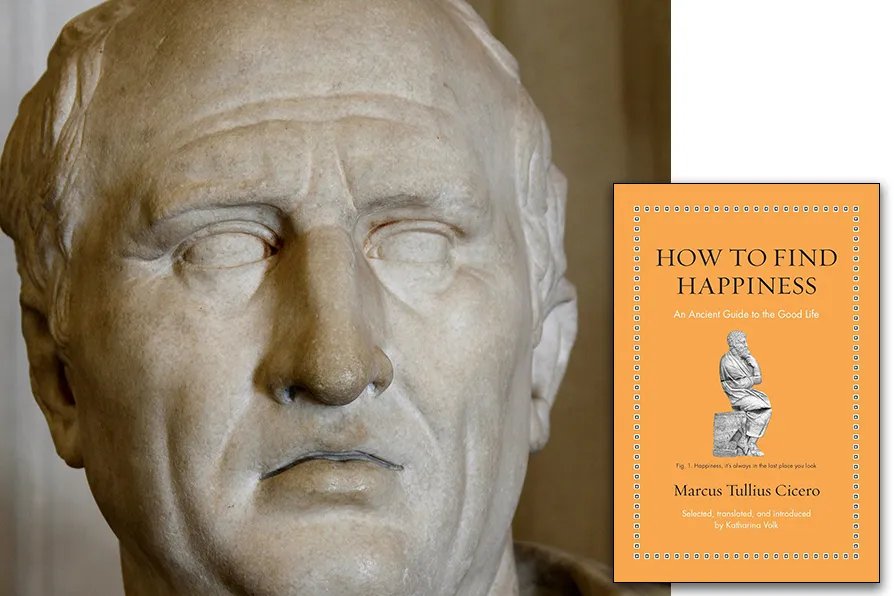
MARTIN HALL examines the way the Roman orator took on different schools of philosophy
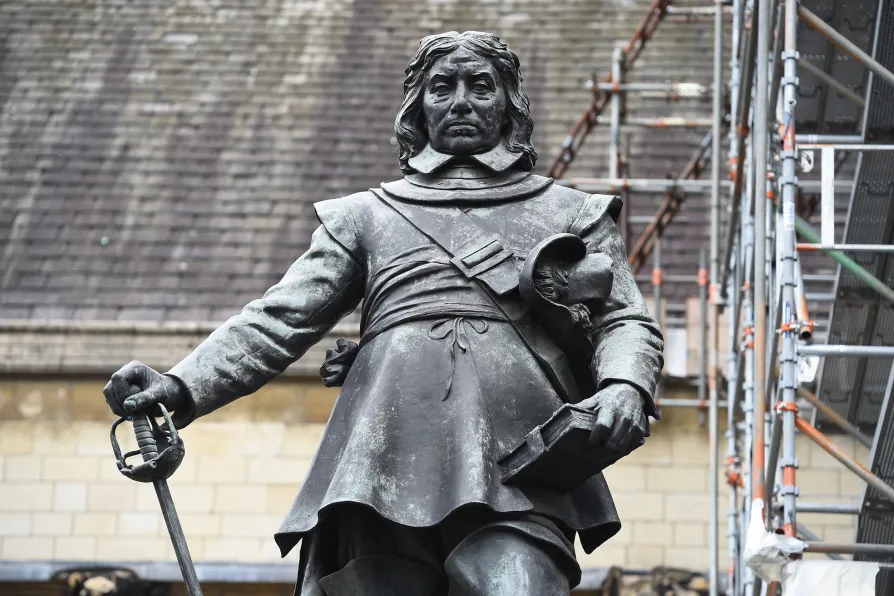
The selection, analysis and interpretation of historical ‘facts’ always takes place within a paradigm, a model of how the world works. That’s why history is always a battleground, declares the Marx Memorial Library

MARTIN HALL welcomes a study of Britain’s relationship with the EU that sheds light on the way euroscepticism moved from the margins to the centre
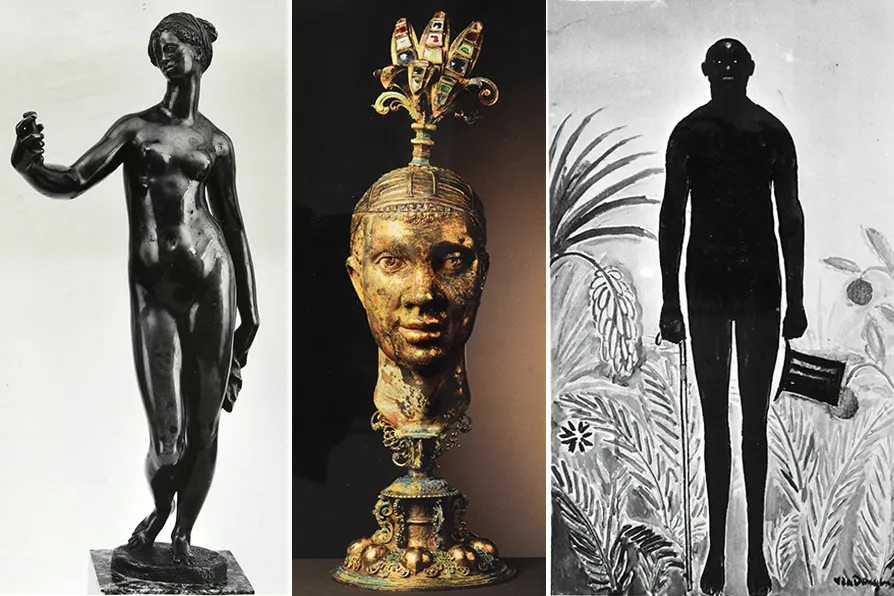
KEVIN DONNELLY accepts the invitation to think speculatively in contemplation of representations of people of African descent in our cultural heritage