MARY CONWAY revels in a powerful reminder that human lives are not defined by physical perfection


 Latest editorial
Crime fiction with MAT COWARD: December 12, 2023
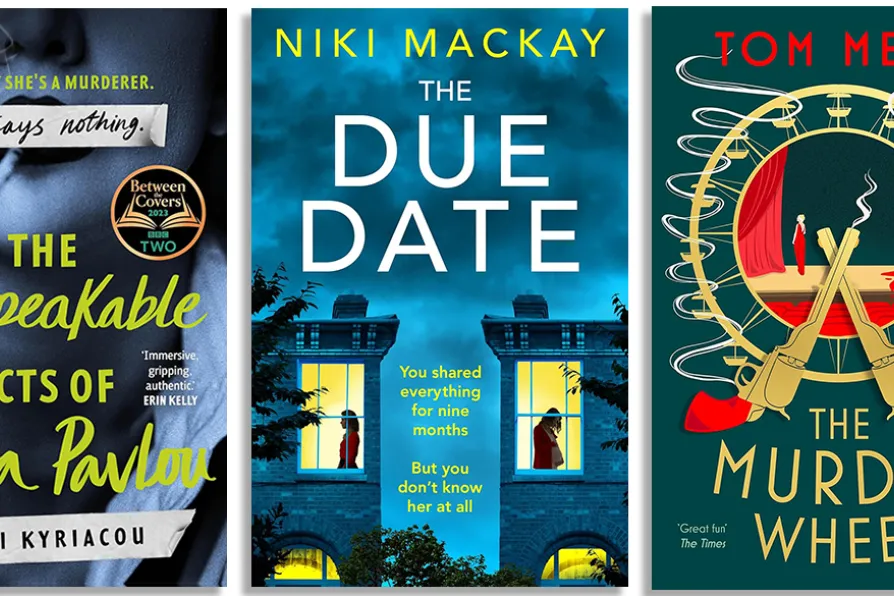
Unexpected sympathy with a murder suspect, toxic female friendships and cosy crimes for Christmas

PAUL DONOVAN recommends the fine performances in this account of the pre-war meeting between the US president and the British king
TECLYN AROD relishes an intimate celebration of jazz improvisation that mixes local and national musicians
The missing sister, the vengeful WAG, cruise ship claustrophobia, and reanimated Avengers
Three great releases of lost concerts by Duke Ellington Orchestra, John Taylor & Stan Sulzman, and Joe Henderson
To rescue Kahlo from the clutches of the corporate art market, we need to acknowledge the overt and covert political dimensions of the work, demands GAVIN O’TOOLE


The Unspeakable Acts of Zina Pavlou by Eleni Kyriacou (Head of Zeus, £14.99) takes place in 1954 when Eva, a Cypriot Londoner who works in the cloakroom at a nightclub, is also freelancing as a translator for the police. The extra money may allow her and her husband to find a better flat. But translating for a murder suspect makes her wonder if it’s worth it.
Zina is in London to visit her son and meet her grandchildren and her German daughter-in-law. It’s the latter she is accused of killing. The evidence is overwhelming, but Eva can’t help a growing, and perhaps dangerous, sympathy for this lonely grandmother. Zina’s lived a life of poverty; illiterate in her own language and helpless in English, she seems to be despised by everyone she encounters — police, prison officers, court staff, even her own relatives. Class and nationality are against her; only her sex might save her from the hangman.
The facts of this novel are closed basely on a largely forgotten real-life case, while the psychology and emotions are the writer’s invention. In an afterword she tells us that, for instance, she didn’t invent the prosecution’s description of the killing as “a stupid crime by a stupid woman of the peasant sort.” Therefore, to call this a feminist novel would be like calling rain wet: what else could it possibly be?

Similar stories
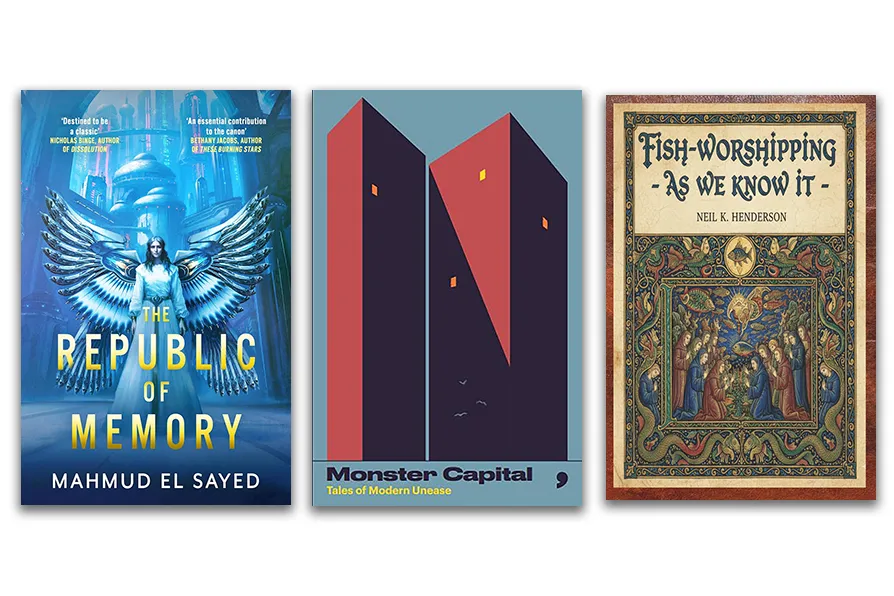
Do frozen colonists carry the virus of empire? Why is monstrosity a great way to describe capital? Was God a dustman?
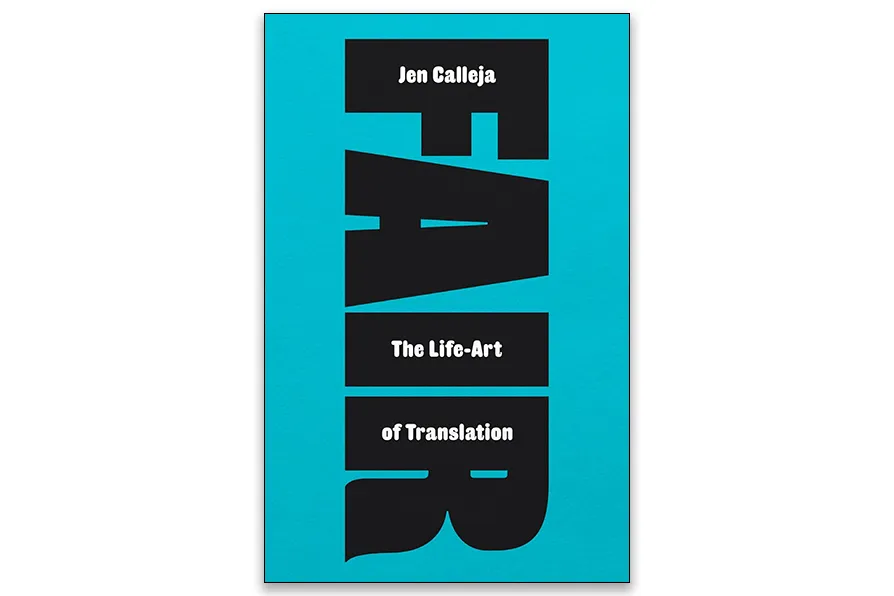
KEN COCKBURN relishes the memoir of a translator, but wonders whether the autobiography underlying the impulse would make a better book
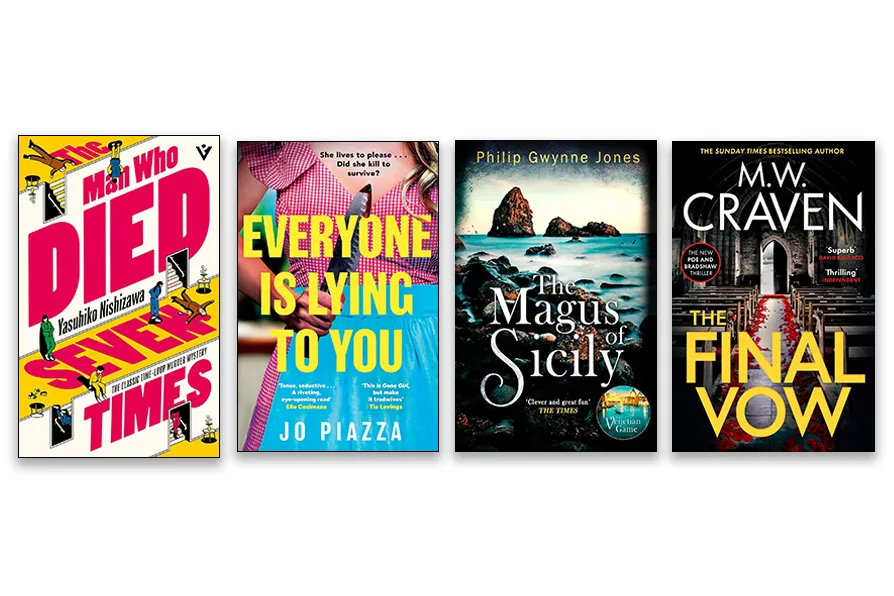
Timeloop murder, trad family MomBomb, Sicilian crime pages and Craven praise

A heatwave, a crimewave, and weird bollocks in Aberdeen, Indiana horror, and the end of the American Dream