HENRY FOWLER, assistant general secretary of the General Federation of Trade Unions (GFTU), reports on Day 2 from the GFTU’s residential Summer School at the Workers’ Retreat, Quorn Grange Hotel


 Latest editorial
A winter of pain for those with spinal cord injuries
Patients and professional bodies are united in calling for action to support those with spinal injuries who are facing unique challenges over heating bills, reports RUTH HUNT


Assistant general secretary of the General Federation of Trade Unions HENRY FOWLER reports on day 1 from the GFTU’s residential Summer School at Quorn Grange Hotel
MPs and others called for the urgent release of tortured Palestinian doctor, Hussam Abu Safiya, held hostage by Israel and reportedly near death, reports LINDA PENTZ GUNTER
Strike Map co-founder HENRY FOWLER discusses the significance of today’s joint union letter to video game giant Rockstar, demanding trade union recognition for its workers. Their conversation highlights how our movement can harness its collective power to rebuild union power across the private sector
Capitalism has exploited — and polluted — our natural resources for too long, it’s time we treated our rivers as living beings, writes MIRIUM GAUNTLETT, LIAM SHAW and ROX MIDDLETON
The PM leaves office having squandered Labour’s electoral mandate and alienated its grassroots. He will not be missed, writes BRIAN LEISHMAN MP


THE new 5 per cent higher price cap on energy announced on November 23 means people will pay more to keep warm this January than any winter before — and this is set to hit those with disabilities, such as those spinal cord injuries (SCI) the hardest.
The Spinal Injuries Association (SIA), which represents those with such injuries, is calling on the government to offer more help with paying these bills. That’s because those with injuries such as serious spinal injuries are often stuck at home. As calls to the helpline indicate, a considerable number are in unsuitable homes, not just with access problems, but also unsafe and hard to keep warm.
Those with SCI who are renting have been exposed to the turbulence in the private rental sector, with the result that some are having to move to properties unsuitable for their needs as they don’t want to end up in temporary accommodation if an accessible, affordable property can’t be found.
One woman who contacted the charity ended up in a refuge, due to not finding anywhere suitable she could live. The SIA said: “A home adapted to meet the needs of someone with SCI is a fundamental right for everyone living in Britain.” But that “right” is far from being met.

Similar stories
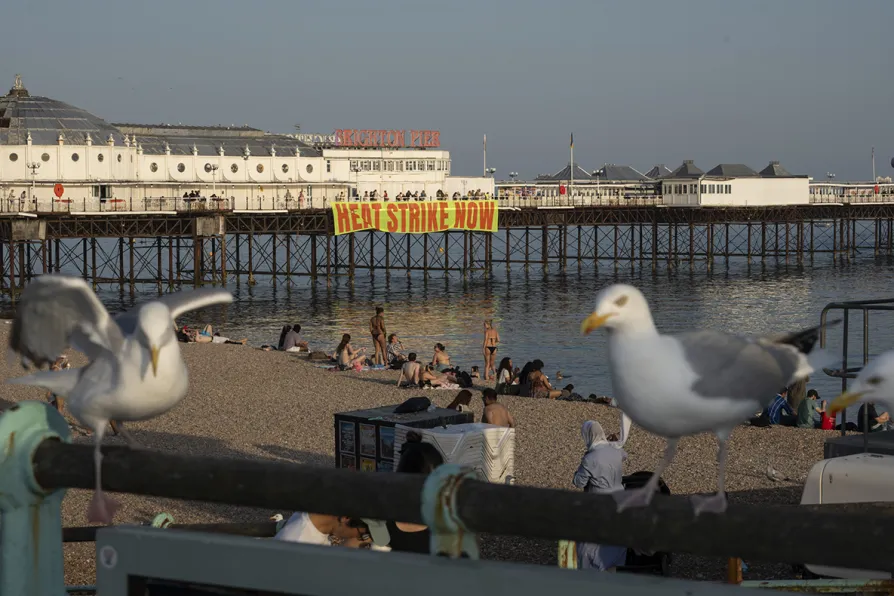
Unions and climate activists pressure government to consider legislation for maximum working temperature

The recent heatwaves revealed how ill-prepared Britain remains for a hotter future – and how unequal the ability to cope with it has become, write ROX MIDDLETON, LIAM SHAW and MIRIAM GAUNTLETT