The recent heatwaves revealed how ill-prepared Britain remains for a hotter future – and how unequal the ability to cope with it has become, write ROX MIDDLETON, LIAM SHAW and MIRIAM GAUNTLETT


 Latest editorial
Remember John Sutcliffe and Michael Prendergast, martyrs of 1911
The two men killed by troops as crowds tried to free jailed workers are barely spoken about — we must change that, and invoke the honour and sacrifice of past struggles, write HOLLY VALLENDER and TOM SHIELDS
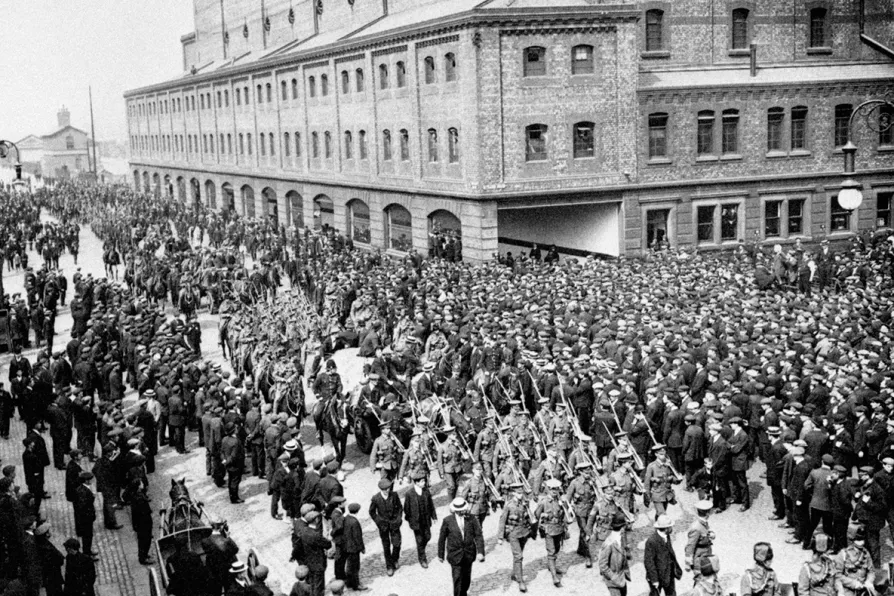 British soldiers, some mounted on horseback, brandishing rifles with bayonets, march through Liverpool as an occupying army, to quell the working class, 1911
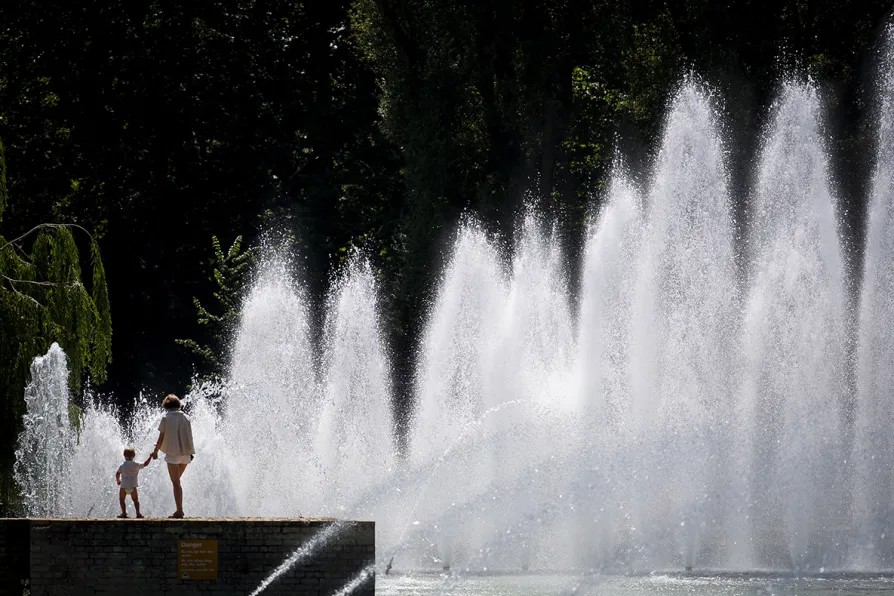
Extreme heat is now one of the defining public health challenges of a warming world, explains Prof IAN WILLIAMS
The US-Israeli conflict with Iran has had far-reaching consequences, including a boost to Pakistan’s regional standing, argues ROGER McKENZIE
19.01.1930-23.04.2026
Kate Clark pays tribute to Ricardo, whose life spanned the hopes of Allende’s Chile, the horrors of military dictatorship and decades of campaigning for justice in exile
Keir Starmer's early political life suggests a very different future from the one he ultimately embraced, says KEITH FLETT
After the dismissal of union representatives and years of precarious working conditions, Kimpton Clocktower workers are drawing a line, writes THOMAS BELL


ON AUGUST 15 1911, John Sutcliffe, a transport worker, and Michael Prendergast, a docker, were killed by Crown forces, troops of the 18th Royal Hussars, who opened fire on crowds attempting to stop vans containing 90 prisoners convicted for involvement in the Liverpool transport general strike, on their way to Walton Gaol.
Prendergast had 800 people walk miles to his funeral at Ford Cemetery — the largest funeral gathering in the history of the city.
Their deaths were the culmination of violent methods typical of the ruling class — both then and now. The workers had brought Liverpool to a standstill in the summer of 1911, during the city’s general transport strike — as part of a broader national strike wave, in conjunction with ongoing maritime and rail disputes.

Similar stories
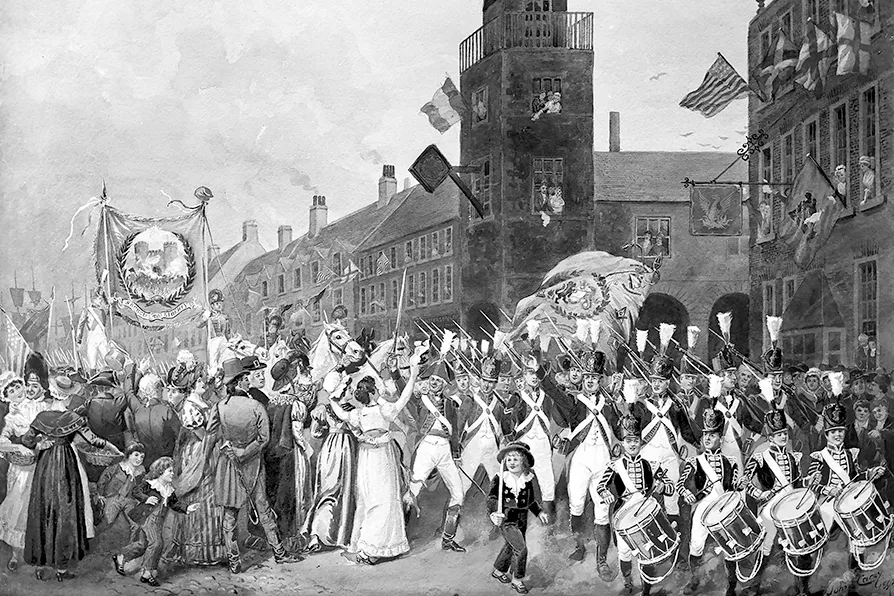
TOM GALLAHUE argues that asking what role Irish diaspora educators can play in shaping Irish unity is to ask a deeper question about democracy itself
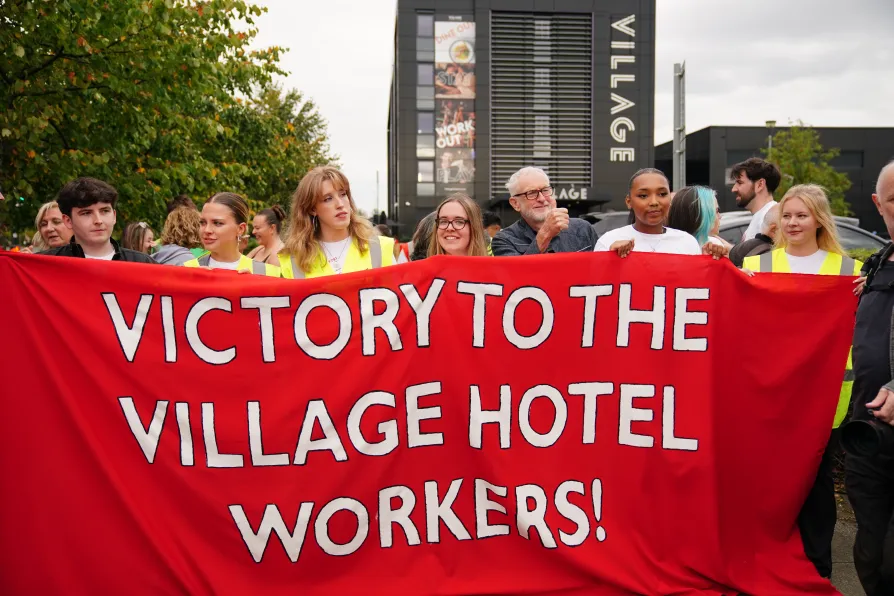
NICK TROY lauds the young staff at a hotel chain and cinema giant who are ready to take on the bosses for their rights
Maggie Bowden was a trailblazing campaigning lawyer at Birnberg and Thompsons, women’s organiser of the Communist Party, and general secretary of Liberation