The new Employment Rights Act is a step forward, but restoring collective bargaining and union power remains essential to tackling insecurity, outsourcing and low pay, says PAUL WHITEHOUSE


 Latest editorial
Hundreds of rivers and lakes cross international borders – countries need to commit to sharing the water
A recent UN water conference on co-operation over water resources is an important step, but much more needs to be done, says ALISTAIR RIEU-CLARKE
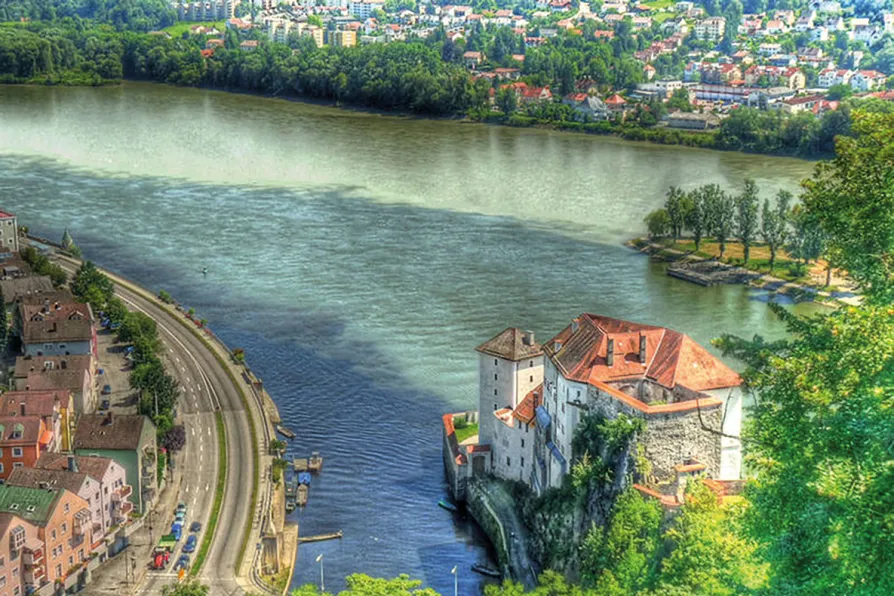 GO WITH THE FLOW: The confluence of the Ilz, Danube and Inn Rivers

Trade unionists are mobilising to support Cuban workers and public services, amid escalating US pressure on the socialist island. RONAN OGILVY explains
The defence secretary’s resignation reveals not a split over principle but a dispute over pace of military spending, as Britain’s political Establishment unites behind deeper Nato commitments, argues NICK WRIGHT
The ceasefire may have halted the fighting for now, but years of economic warfare and recent military attacks have left millions of Iranians facing hardship and uncertainty, says Codir’s RUBEN BRETT
The struggle for Palestinian freedom has become a defining issue for everyone committed to justice, democracy and peace, says PETER LEARY ahead of the Stop the War International Conference on Saturday
Unison director of organising KEVIN LUCAS explains the Organising to Win strategy, its successes to date and key tests on the union’s horizon


THE Danube River starts in Germany and eventually flows into the Black Sea some 2,850 kilometres and 10 countries later. If Germany were to dam or pollute the river, it could potentially affect nine other countries — and four of their capitals.
The Danube may be the world’s most multinational river, but it’s only one of an estimated 310 rivers and lakes shared between two or more countries, along with 468 underground water sources known as aquifers.
I recently went to New York to a major UN conference — the first dedicated to water in decades — to try and help strengthen political commitment over these “transboundary” bodies of water.

Similar stories
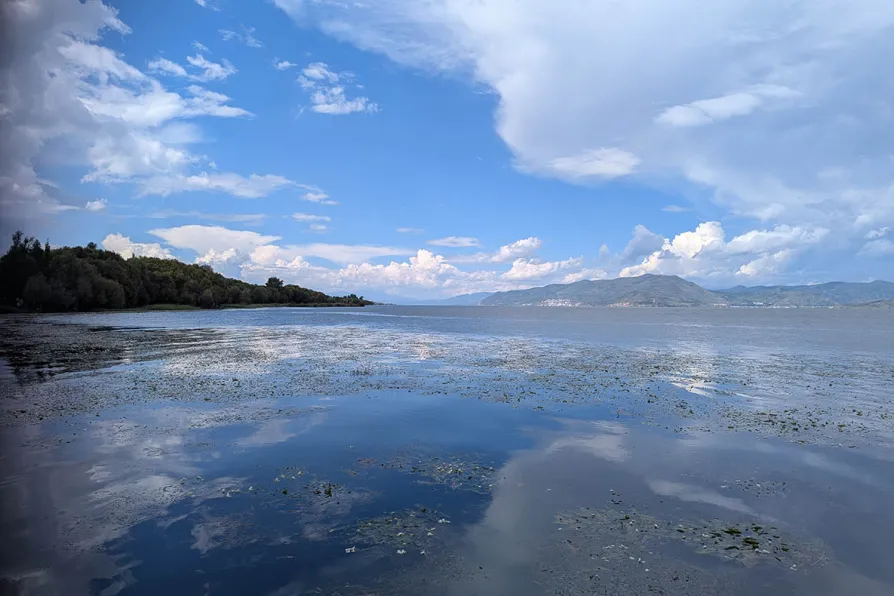
One of the major criticisms of China’s breakneck development in recent decades has been the impact on nature — returning after 15 years away, BEN CHACKO assessed whether the government’s recent turn to environmentalism has yielded results
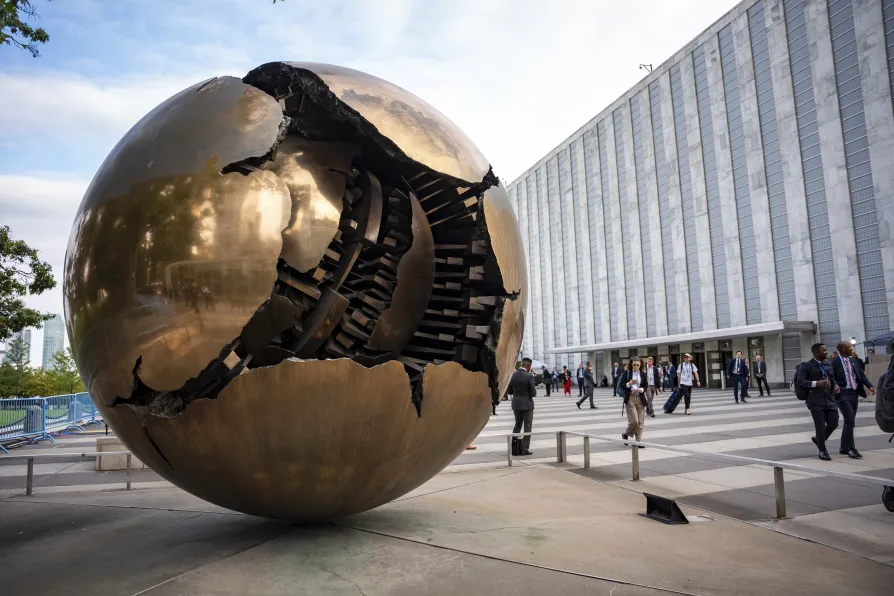
ZHANG HE highlights pressure coming from the global South for a more multilateral approach to global governance and a more equitable world order
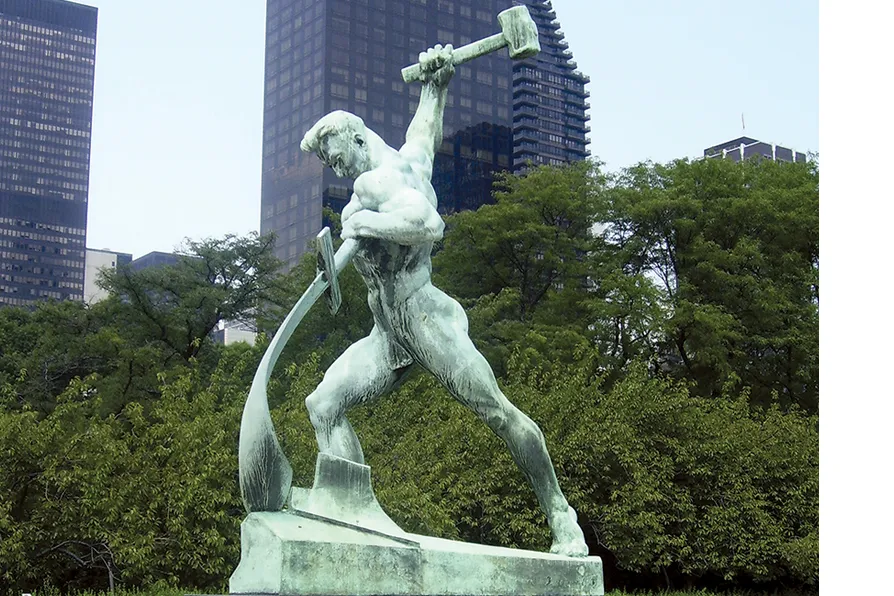
The colonial mindset behind the governance of the UN is the reason for its inertia when it comes to conflict resolution, argues ROGER McKENZIE – but can China’s Global Governance Initiative point in a new direction of global equality?
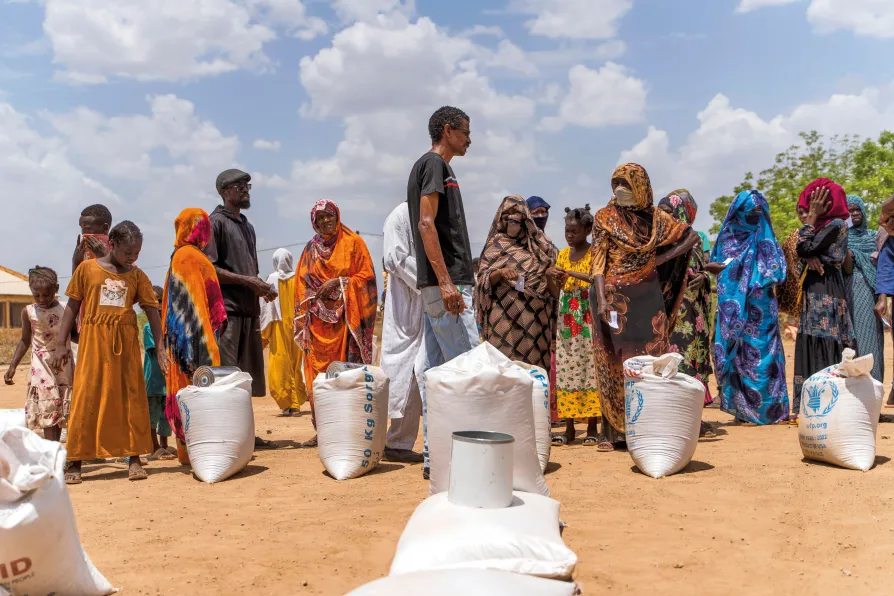
While much attention is focused on Israel’s aggression, we cannot ignore the conflicts in Africa, stoked by Western imperialism and greed for natural resources, if we’re to understand the full picture of geopolitics today, argues ROGER McKENZIE