While international attention focuses on ceasefire frameworks, Israel is openly advancing plans for a permanent expansion of its control over Gaza, writes RAMZY BAROUD


 Latest editorial
Not just assistants: how support staff will shape the future of education
Although today they are underpaid and undervalued, support staff are instrumental in the struggle for better schools — we need to strengthen their participation in the NEU, argues primary teacher EFREM CRAIG
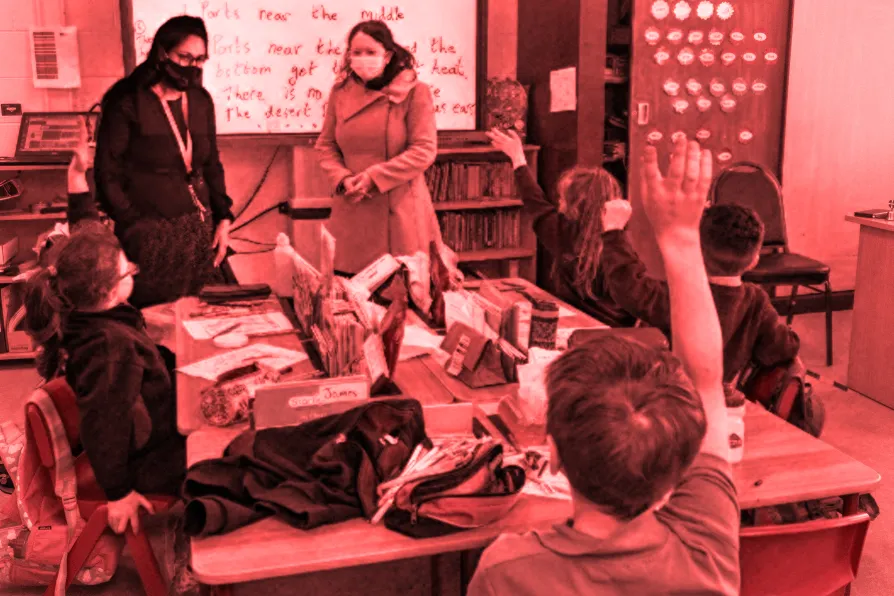 The lack of respect towards this area of education is symptomatic of a society that does not value the experience and skills of women. If we do not work proactively to improve pay and conditions for support staff, we fail to improve the lives of women.

Researchers PAUL HOLDEN and JESSICA MURRAY are calling for whistleblowers and documentary records to uncover how Labour Together helped build the parliamentary majority that now dominates the Labour Party
Cuba continues to embody a vision of internationalism that imperialism has never forgiven, argues ZOLTAN ZIGEDY
PCS general secretary FRAN HEATHCOTE explains why opposing war is inseparable from defending jobs, wages and public services – and why readers should come to the London Peace Conference on Saturday June 20
As protests erupt over Henry Nowak’s murder, ANDREW MURRAY argues that anger is being exploited to advance a wider racist and anti-immigration agenda
CARLOS MARTINEZ explains the sound case for car manufacturing co-operation with China


AFTER seven days of national and regional action by teachers across the country, the government finally provided a pay offer to teachers in England. Unlike the offer in Wales (8 per cent pay rise across two years, mostly funded), we were offered only 4.5 per cent — 4 per cent of which is to be taken out of “existing” school budgets. The offer has been swiftly rejected by around 98 per cent of voters.
To onlookers, this may seem like an excruciating defeat for workers in education. The offer in Wales, whilst inadequate to many, is far better than in England. Teachers in Scotland have secured a more enviable pay rise of about 14 per cent fully funded. So why the disparity?
The success of strikes in Scotland and Wales largely comes down to the scale of unity within the workforce. NEU support staff in England were the only group whose ballot didn’t reach the threshold of 50 per cent turnout. This meant they could not strike alongside teachers in England, though many wanted to.

Similar stories
LUKE FLETCHER outlines Plaid Cymru bold plans for wide-ranging policy consultations with trade unions in Wales

In the second part of a two-part article, CONOR BOLLINS asks why the government’s ambition when it comes to the military is not applied to sectors where it could do real good


KEVAN NELSON reveals how, through its Organising to Win strategy, which has launched targeted campaigns like Pay Fair for Patient Care, Britain’s largest union bucked the trend of national decline by growing by 70,000 members in two years