
The campaign against the Bank of England’s ongoing theft of Venezuelan gold is gaining support across the labour movement and beyond, writes MATT WILLGRESS


The British empire: culture war and actual war
The flurry of criticism and counter-outrage over the classical colonial era is no mere academic matter, warns ANDREW MURRAY: what is being debated is whether fresh imperial slaughter can be sold to the public
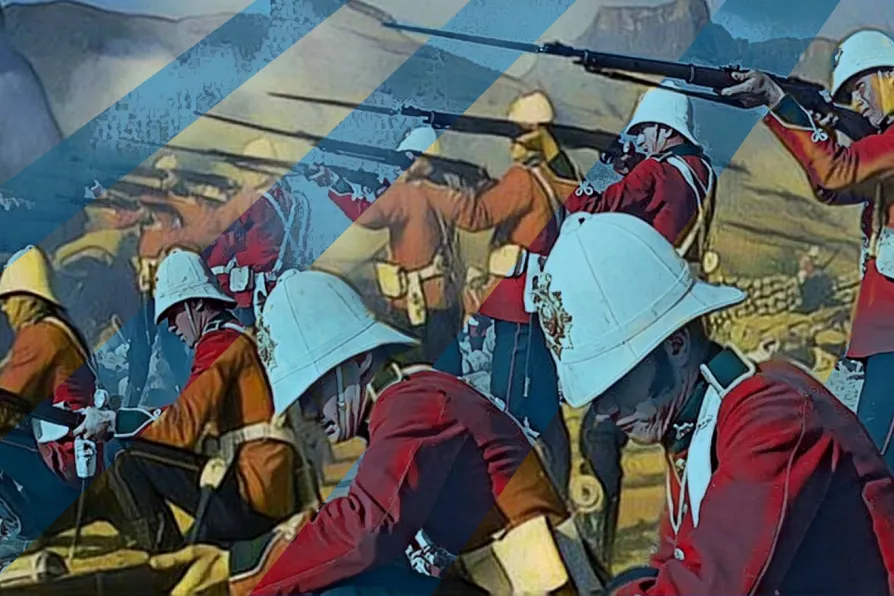
 This century, the 'bring back the empire' brigade had its way with Afghanistan and Iraq. Twenty years on from the start of the Afghan occupation it ended in utter ignominy.

The new Prime Minister must abandon decades of automatic support for US foreign policy, which makes us all less safe, argues DIANE ABBOTT MP
Claims that Nicaragua has abolished elections followed a headline that stripped Daniel Ortega’s remarks of their historical and political context. The full speech tells a different story, says BECCA RENK FOSTER
Media Lens at 25: David Cromwell and David Edwards reflect on a quarter-century of media criticism, explaining why independent journalism is more important than ever
MAT COWARD introduces some of the electoral oddballs of the political fringe who remain one of the liveliest features of British democracy, despite efforts to abolish them
by Weyman Bennett and Maz’s family


THE British empire is one of the front lines in the culture war. Few things make Establishment academics and pundits angrier than the critical scrutiny British imperialism is increasingly subjected to, particularly by scholars that aren’t white, male and privileged, the characteristics hitherto regarded as essential for holding an opinion on the subject.
Historians like Niall Ferguson and Robert Tombs argue that the empire wasn’t such a bad thing overall, a few undeniable excesses notwithstanding, or, as a fallback, too complex to pass judgement on. They are keener on emphasising Britain’s role in abolishing slavery than its prior record of promoting and profiting from it, and its foundational part in the development of capitalism.
They also disdain the intrusion of new scholars onto their terrain. In one especially unpleasant article, Tombs singled out three for the sin of exploiting “the fashionable theme of ‘anti-colonialism’,” as if hostility to colonialism was a priori a historical disability.

Similar stories

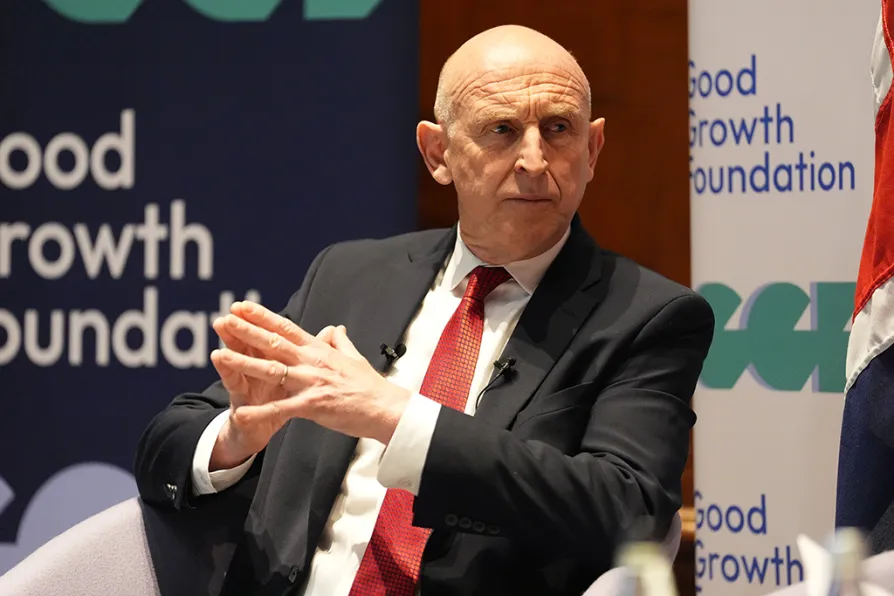
The defence secretary’s resignation reveals not a split over principle but a dispute over pace of military spending, as Britain’s political Establishment unites behind deeper Nato commitments, argues NICK WRIGHT
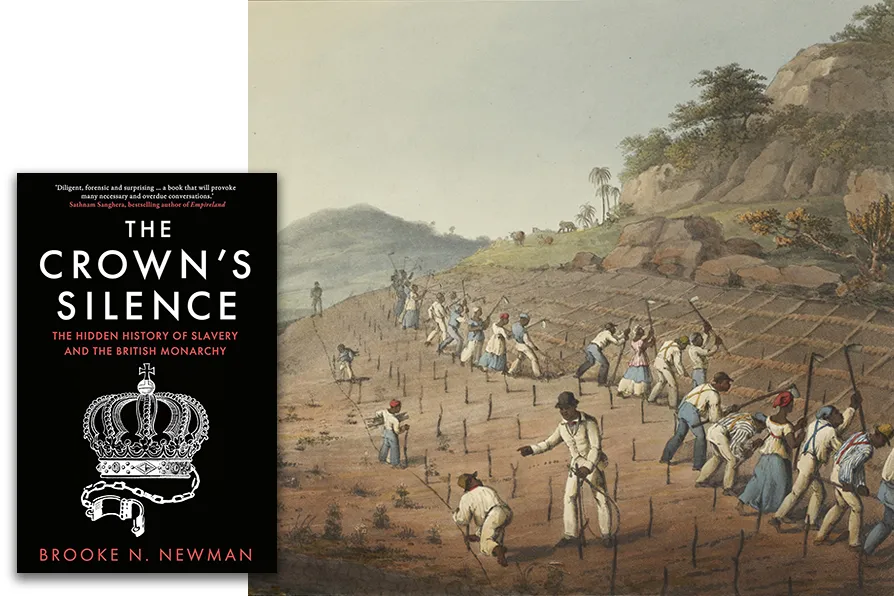
ELLIS RAE recommends a stunning history of the active role played by the British monarchy in establishing and profiting from slavery
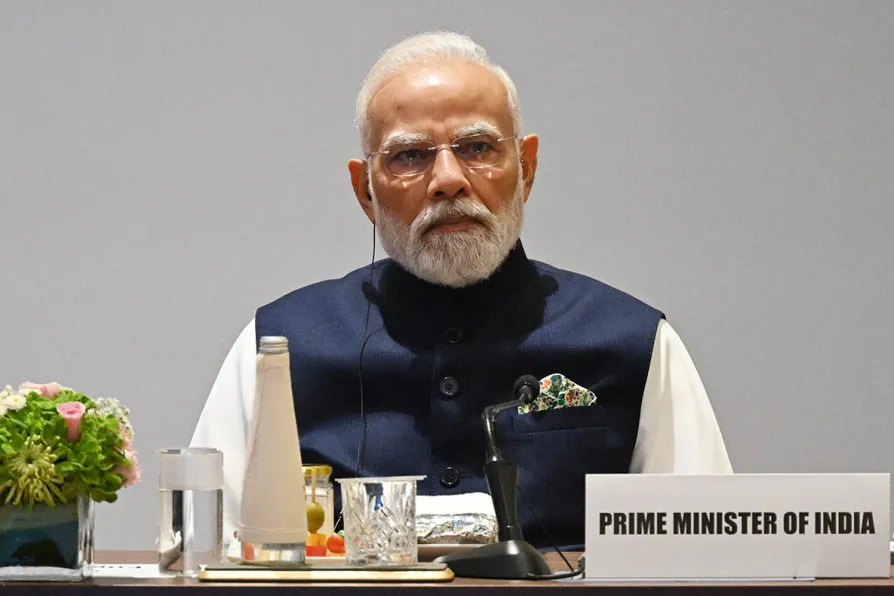
Modi has rolled out the carpet for the Taliban in New Delhi — and we shouldn’t be surprised. They have more in common than you might think, argues Bhabani Shankar Nayak