A new generation of right-wing politicians have shifted from promoting deregulation to championing anti-migrant politics warns SOLOMON HUGHES


 Latest editorial

We must force their hand with a workers’ bill of rights
The government is openly committed to meeting the social and financial crisis with attacks on working people rather than reform. That is why we must now launch our own programme, write KEITH EWING and LORD JOHN HENDY KC


by the Greater Manchester Workers’ and Tenants’ Association
The US relationship with Israel has evolved into a strategic liability, argues RAMZY BAROUD
A champion motorcyclist, trade union organiser and communist, Clem Beckett went from Britain’s speedway tracks to the battlefields of Spain, where he gave his life resisting Franco’s forces at Jarama. GEOFF BOTTOMS pays tribute to this remarkable anti-fascist
The greatest threat to democracy may no longer come from political parties but from unelected tech oligarchs like Peter Thiel and his powerful Silicon Valley network, argues JOHN GREEN
Claiming to ease a fertiliser shortage, the Trump administration has suspended tariffs on Moroccan phosphate imports – deepening US support for the Morocco’s control over Sahrawi territory, writes LUKE ROTELLO


RISING food, energy and housing costs and the falling value of wages mean that workers’ living standards are under attack. So are their legal rights. The government refuses to introduce an Employment Bill, promised in 2019, and is currently on course to remove a large body of workers’ rights derived from EU law, including the right to paid holidays.
The government is also attacking trade union rights, with further restrictions designed to undermine the ability of workers to fight back. Yet British workers are already among the least protected in the developed world, and British employers are among the most powerful.
British workplaces have been plagued for years by zero-hours or work-on-demand contracts, flexible contractual terms giving wide-ranging powers to managers to dictate when, where and how work is to be done, fire-and-rehire allowing employers to reduce pay and working conditions, and, at P&O Ferries, the emergence of fire-and-replace as a corporate tactic.

Similar stories
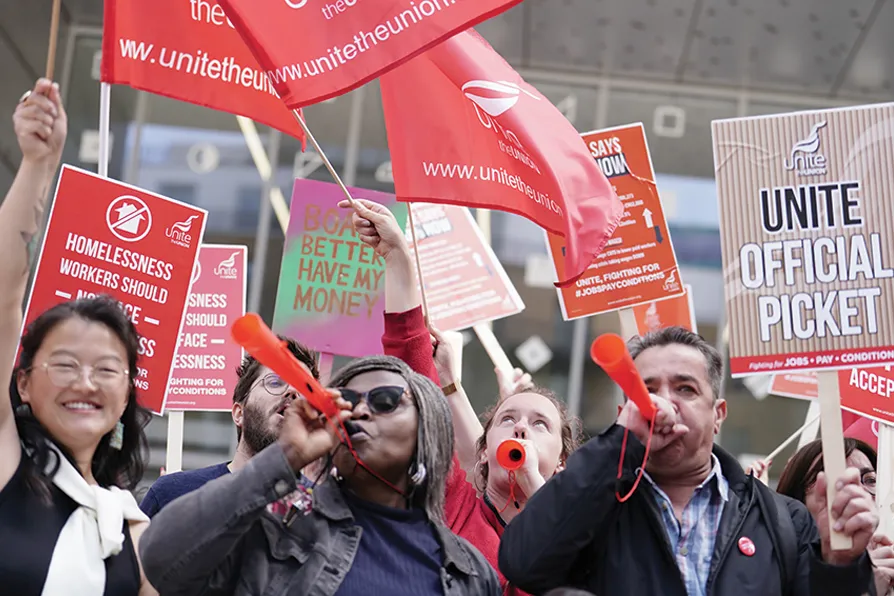
The unions are unhappy with the Employment Rights Act 2025 and with good reason. KEITH EWING and Lord JOHN HENDY KC take a close look at why the Bill promised more than it delivered

Four decades on, the Wapping dispute stands as both a heroic act of resistance and a decisive moment in the long campaign to break trade union power. Lord JOHN HENDY KC looks back on the events of 1986
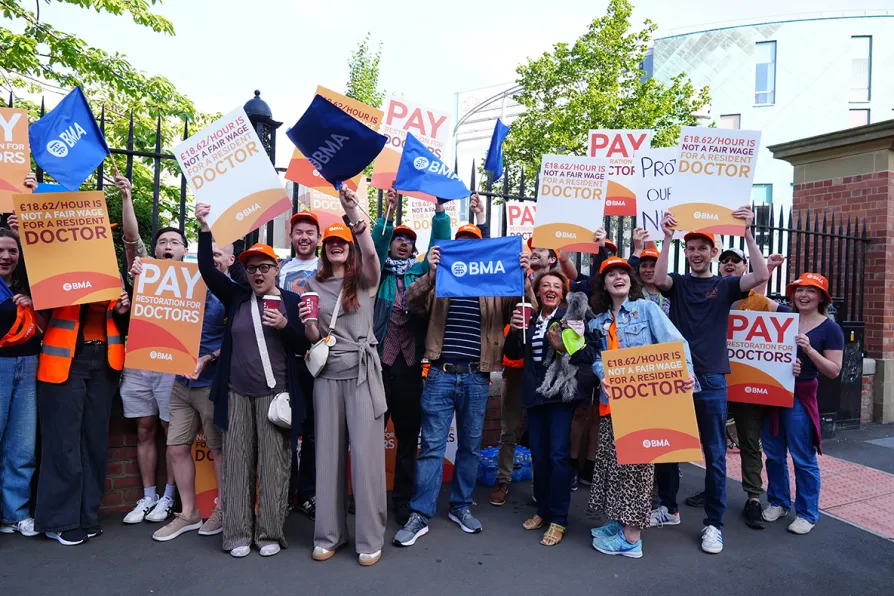
Labour’s watered-down legislation won’t protect us from unfair dismissal or ban some zero-hours contracts until 2027 — leaving millions of young people vulnerable to the populist right’s appeal, warns TUC young workers chair FRASER MCGUIRE