JOHN WIGHT writes about the shared love of the ring that strengthened two icons in their struggles against racism and injustice


 Latest editorial
Joao Saldanha: A bohemian, communist, coach, and journalist
SAM KUNTI provides a fascinating extract from his new book: Brazil 1970 - How the Greatest Team of All Time Won the World Cup
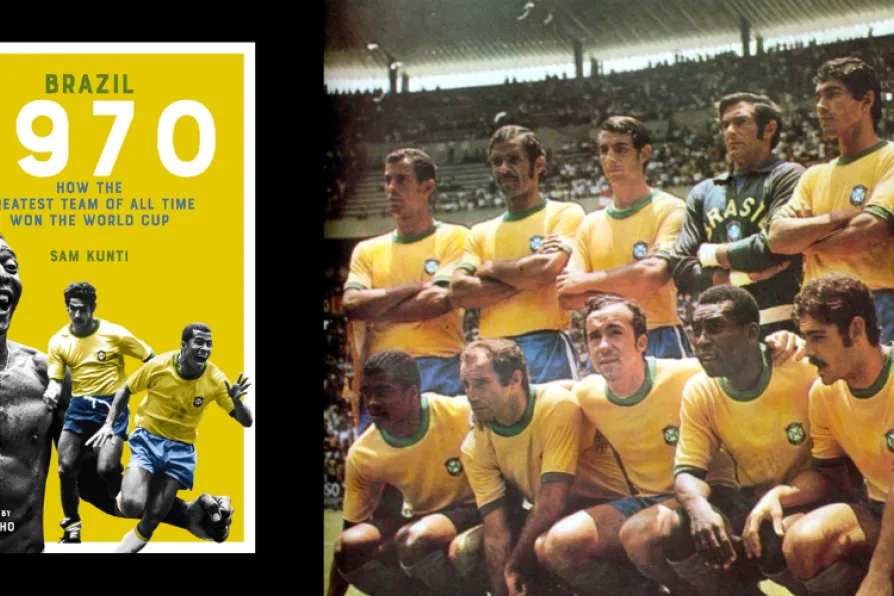 Sam Kunti's newly-released book 'Brazil 1970'; the Brazilian team before a match against Peru in the quarter-final at the 1970 World Cup
[Public Domain]
Sam Kunti's newly-released book 'Brazil 1970'; the Brazilian team before a match against Peru in the quarter-final at the 1970 World Cup
[Public Domain]
F1 admits pit-lane measurement discrepancy as Russell fumes over penalty fallout


BRAZIL’S football boss Joao Havelange needed a coach who could prove that the chaos and complacency of the 1966 World Cup hadn’t yet destroyed Brazil’s reputation. He wondered who could bring new impetus, rebuild the team, navigate the World Cup qualifiers and, above all, satisfy the fans?
Enter Joao Saldanha, a gloriously authentic personality, whose reign was a wonderful spectacle. Saldanha was a bohemian, communist, coach, journalist and dialectician. His mere presence incited intrigue, political plotting and subterfuge from the CBD, the press and the military, perhaps all the way up to the highest office, that of President Medici. His successes matched his failures and his virtues his flaws. His spats, feuds, cliques, rivalries and total disregard for the political hierarchy led to his own fall.
His personality and tenure with the national team remain shrouded in mystery, even to those who were closest to him. Tostao summed it up: “I adored him as a person. He was emotional and a humanist. He was a dreamer. He was the total opposite of what the establishment wanted of a coach but, on the other hand, he was popular. The CBD and the government wanted to charm. In truth, it was something half schizophrenic, with various sides [to the story], opaque and contradictory. You simply can’t make a logical, correct analysis of his downfall.”

Similar stories
Newly revealed documents reveal that MI5 taught Brazilian secret police the techniques deployed by the 1964-85 military dictatorship in horrific prisons like Rio de Janeiro’s House of Death. SARA VIVACQUA reports
Joao Pedro’s emotional goals against Fluminense captured the magic of an international club competition. But even as fans bring colour and passion, the Club World Cup’s deeper issues loom large, writes JAMES NALTON
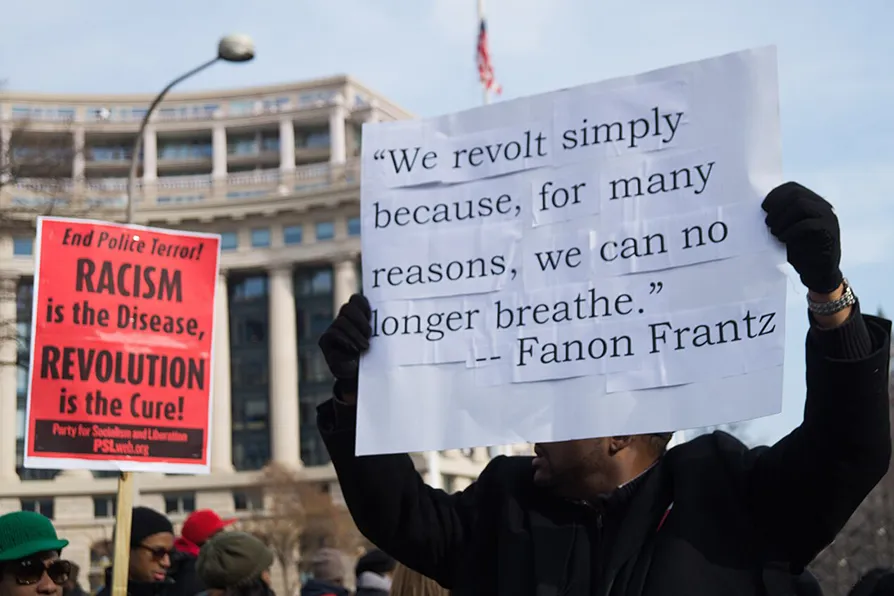
On the centenary of the birth of the anti-colonial thinker and activist Frantz Fanon, JENNY FARRELL assesses his enduring influence