

 Latest editorial
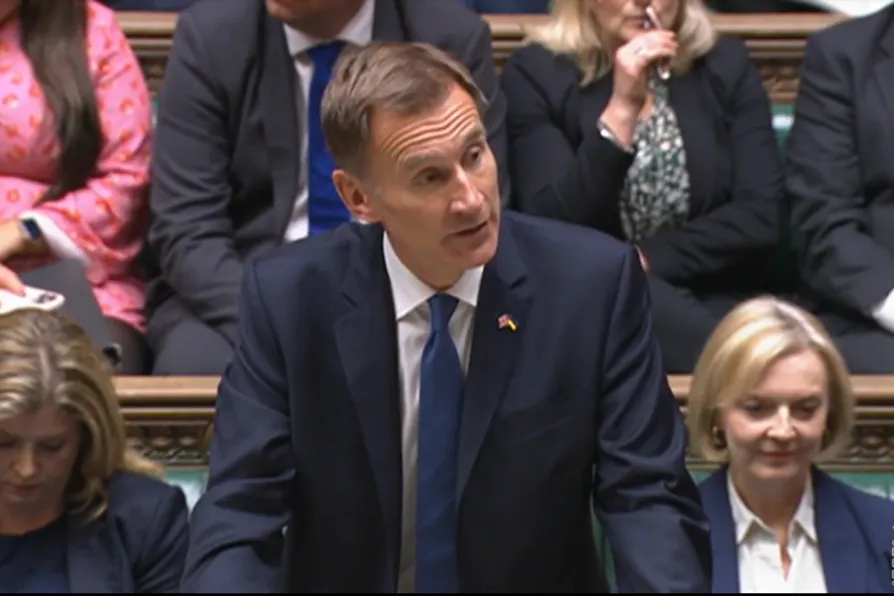 Chancellor Jeremy Hunt addresses MPs following his announcement that he was ripping up the entire 'mini-budget' announced less than a month ago
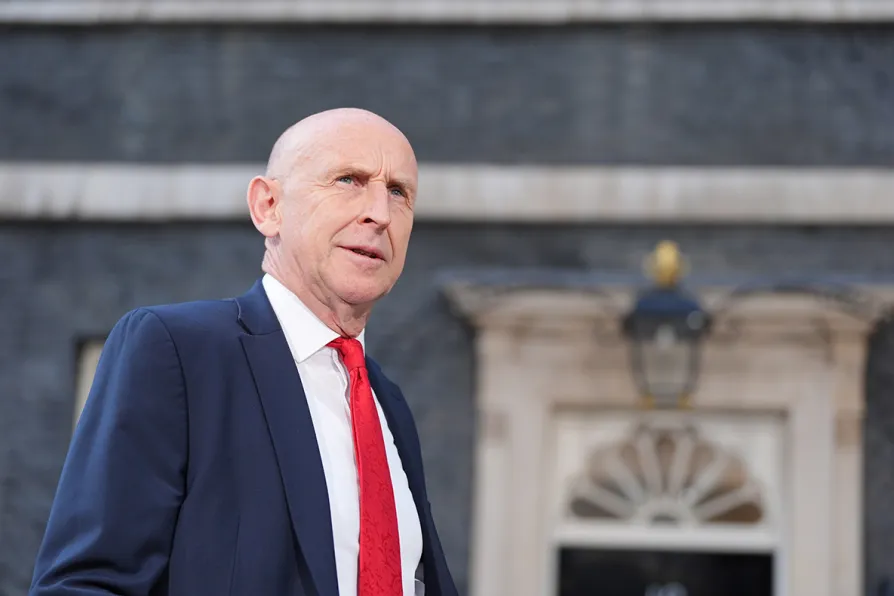


JEREMY HUNT’S shredding of Kwasi Kwarteng’s mini-budget shows the markets can take on the government and force it to change course.
The question facing delegates to the TUC Congress this week is whether the labour movement can do the same.
Not everything is about government. The biggest surge in industrial disputes for decades is winning for workers at hundreds of workplaces across Britain.
Double-digit pay awards are being secured for many of them — a sign both of the effectiveness of industrial action and of the reality, pointed out by unions like Unite, that lots of employers can easily afford big rises.
Inflation is being driven by widening profit margins and the cost-of-living crisis for most of us coincides, as the Sunday Times Rich List put it this year, with a “golden era for the super-rich.”
But government policy must be confronted.
The very fact that unions are winning makes the Conservatives more determined to stop us. The ballot thresholds imposed by David Cameron in a bid to prevent strikes aren’t working: the level of anger in many workplaces is extremely high and the level of organisation improving in many sectors thanks to dogged work by reps, so thresholds are being smashed even in massive national ballots like those held by RMT and CWU.
Hence the government’s plans to impose even harsher restrictions on the right to strike, including the plan for minimum service levels (though long-suffering passengers on Britain’s privatised railways seeing hopeless operators like Avanti rewarded for failure may wonder when these minimum service levels will be applied to employers).
These service levels are not about minimising inconvenience to the public.
We are all inconvenienced — and worse — daily by the cost and inefficiency of a privatised transport system and by the consequences of underfunding and staff shortages in schools and the NHS. We will be inconvenienced too if Royal Mail becomes a gig-economy parcel courier, or if ministers get their way in axing 91,000 Civil Service jobs.
No, the aim is straightforwardly to stop workers — the very “key workers” praised to the skies during the pandemic — from getting pay rises they need and deserve.
The best way to expose the lie is to spread the action. There are high levels of support for workers taking action currently.
This is partly because of an increased awareness that the system is rigged against us — the injustice of imposing poverty pay on workers who put their lives at risk to keep services going during the pandemic is widely understood.
So is the extent to which the political system exists to block rather than facilitate the policies people want. Labour’s left turn from 2015-20 put policies like public ownership and redistribution back on the map: Westminster’s refusal to listen has also been noticed.
But above all, the soaring cost of living puts all workers in the same boat. Claiming that striking railway workers inconvenience teachers and nurses won’t wash when teachers and nurses are balloting too. It’s in all our interests to maximise the scale and co-ordination of industrial action across sectors.
It’s necessary because the enemy is ruthless and reckless. It is clear that the effective destruction of Royal Mail is seen as a price worth paying, as is the long-term degradation of the rail network.
Huge turnouts, massive support on picket lines, and a grim determination to stay the course are inspiring. But they don’t guarantee victory, as we saw with the miners’ strike.
Every worker in dispute needs maximum solidarity from the whole movement. Success breeds success — every union win gives other workers confidence to stand up — but defeat is contagious too.
The workers’ parliament meets a month later than planned and the country’s crisis has only worsened in that time. Westminster has set a course for disaster — it’s up to us to plot a different one.

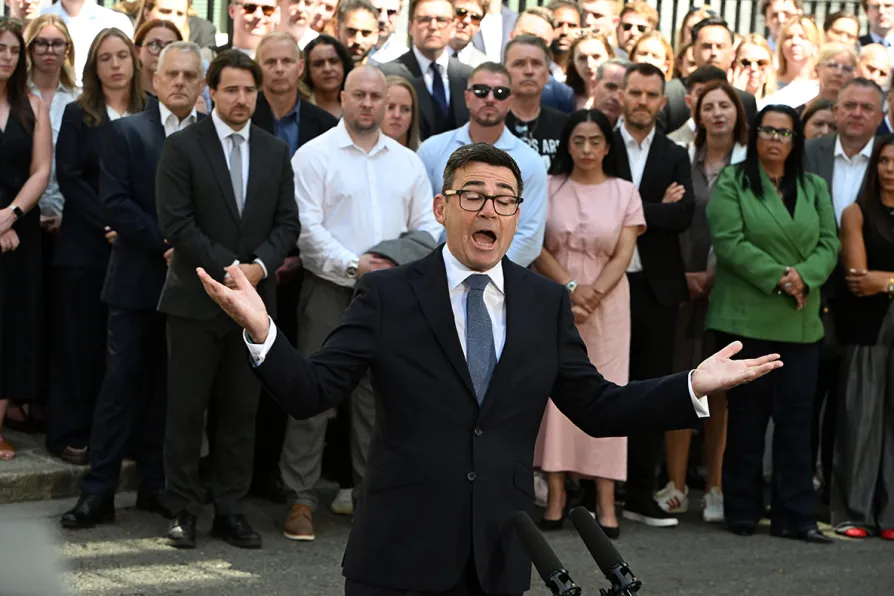
The Tories introduced the 50% strike ballot threshold to make industrial action harder. MATT WRACK argues that a Labour government has no justification for leaving it on the statute book
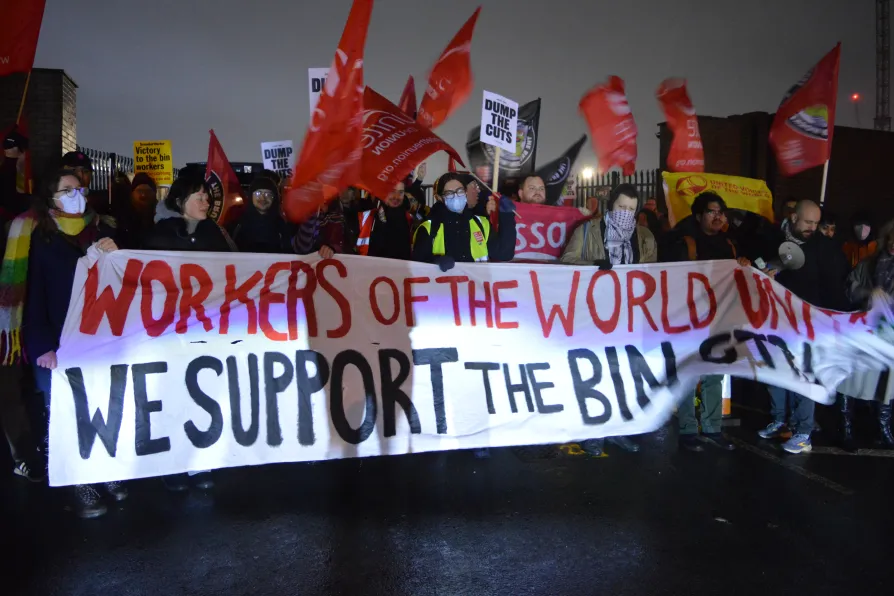
By making it simpler to support workers in struggle, Strike Map’s new Solidarity Fund aims to strengthen strikes when they need it most, write ROBERT POOLE and HENRY FOWLER
LUKE FLETCHER outlines Plaid Cymru bold plans for wide-ranging policy consultations with trade unions in Wales
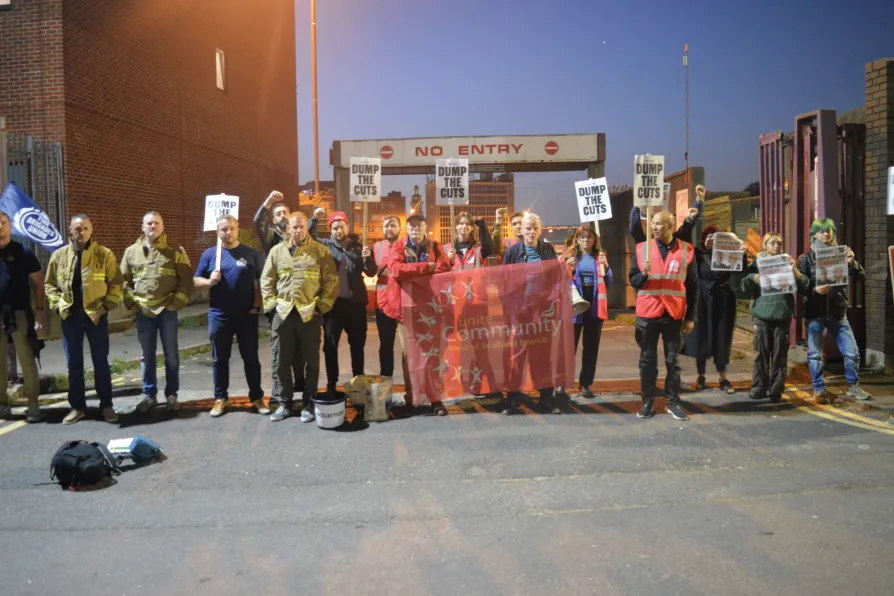
Since 2023, Strike Map has evolved from digital mapping at a national level to organising ‘mega pickets’ — we believe that mass solidarity with localised disputes prepares the ground for future national action, writes HENRY FOWLER