

 Latest editorial
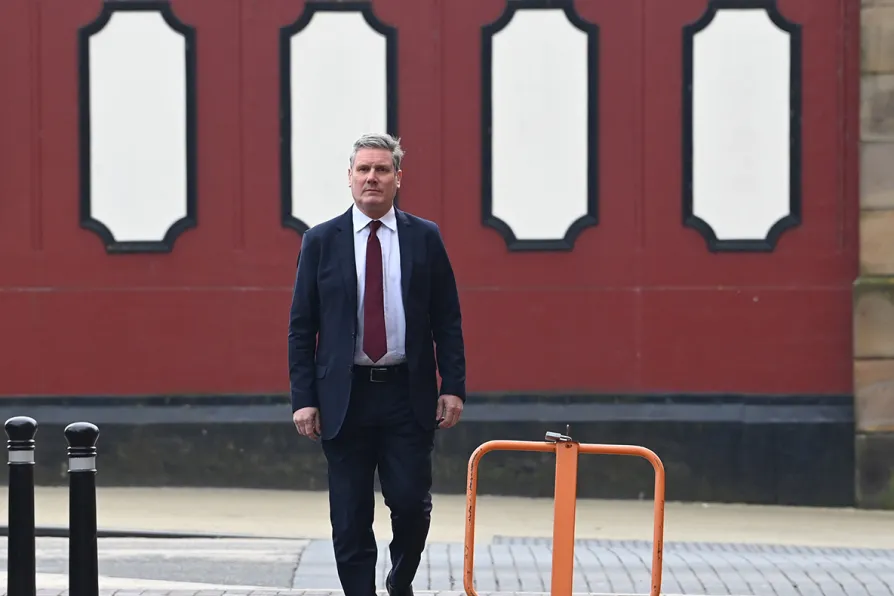 Labour leader Keir Starmer


WHEN, last week, Jeremy Corbyn said he wanted to see a world where we disband all military alliances, he was giving voice to an idea that, at the parliamentary level, has long been expressed by any number of Labour politicians, as well as MPs from the Scottish National Party, Plaid Cymru and the Green Party.
Starmer told the BBC Sunday Morning programme that Corbyn lost the whip because of his response to the Equality and Human Rights Commission in relation to anti-semitism.
He then moved the goal posts to say: “I’ve also made it clear that our position in the Labour Party is not to accept the false equivalence between Russian aggression and the acts of Nato.”
Let us, for the moment, set aside the case of the mysteriously vanishing phenomenon of anti-semitism in the Labour Party which just two years ago was regarded so seriously by a population exposed to the mass media onslaught on Corbyn’s longtime support for the Palestinian cause that it was believed to contaminate the thinking of one third of the party’s half a million members.
Today Corbyn is on record, in a Times radio broadcast, as saying: “I don’t blame Nato for the fact that Russia has invaded Ukraine. What I say is look at the thing historically and look at the process that could happen at the end of the Ukraine war.”
He also said: “The issue has to be: what’s the best way of bringing about peace in the future? Is it by more alliances? Is it by more military build-up?
“Or is it by stopping the war in Ukraine and the other wars … that are going on at the present time, which are also killing a very large number of people? And ask yourself the question: do military alliances bring peace? Or do they actually encourage each other and build up to a greater danger?”
Starmer’s famously forensic intellect seems to have deserted this former director of public prosecutions if he thinks Corbyn’s impeccably pacifist utterances constitute a “false equivalence between Russian aggression and the acts of Nato.”
In fact they are very reminiscent of the Labour leader George Lansbury’s views, or even Ramsay MacDonald’s approach to the first world war.
Nato is nominally a collective defence organisation. Apart from the Nato bombing of Yugoslavia and Libya, the alliance maintained, for decades, a secret underground Gladio organisation, run in co-operation with the CIA and various European intelligence organisations.
Nominally established as a “stay-behind” force if the Soviets overran Europe, it linked right-wing terrorists, gangsters, secret service operatives, bankers and shadowy masonic organisations with a programme of assassination and subversion directed at working-class organisations and communist parties.
Today, by Nato’s evaluation, the Russian army is supposed to both constitute a military threat to the rest of Europe and be too inefficient to subdue Ukraine.
Starmer’s careful formulation “acts of Nato” serves to exclude from this discussion acts by the members of Nato which, since WWII, have invaded or intervened in dozens of states in Latin America, Africa and Asia.
To put it another way: Nato, far from being the total expression of imperial power, is just one part of it.
When Starmer signals that it is difficult to see how Corbyn could have the whip restored, he is making clear his determination that the two foundations that buttress the ruling-class tendency in the party cannot be challenged.
First, the independence of its parliamentary contingent from even the remnants of democratic decision-making; and second, unchallenged support for the continuity of Britain’s imperialist foreign policy.

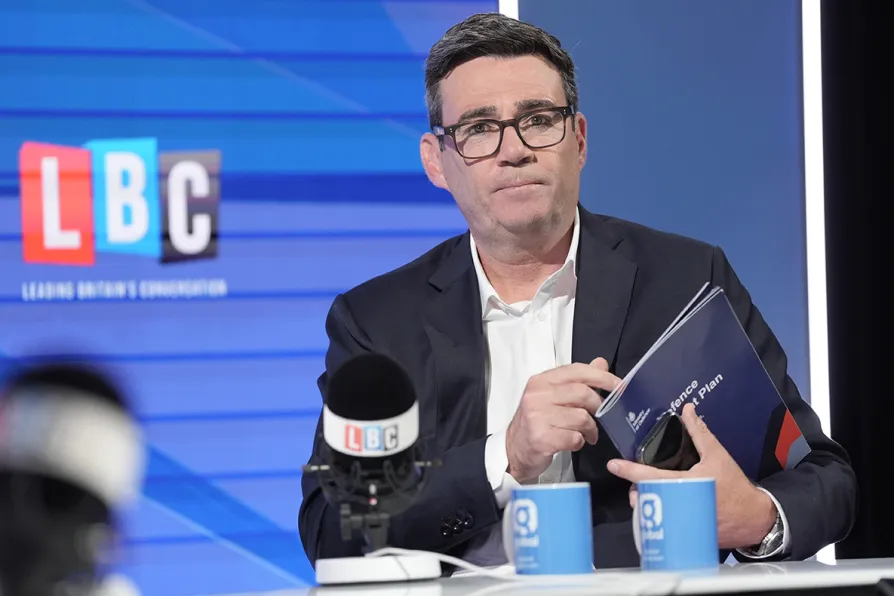
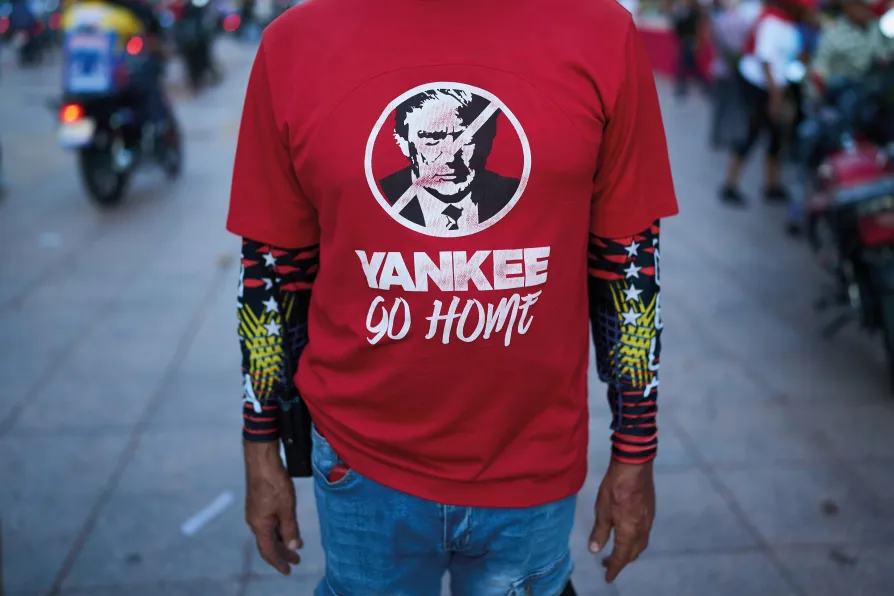
Western nations’ increasingly aggressive stance is not prompted by any increase in security threats against these countries — rather, it is caused by a desire to bring about regime changes against governments that pose a threat to the hegemony of imperialism, writes PRABHAT PATNAIK
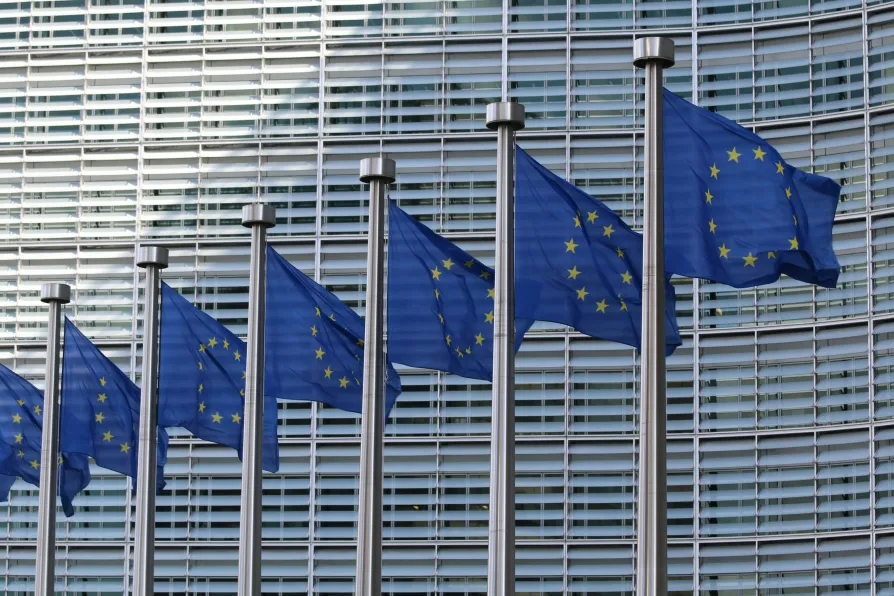
Starmer sabotaged Labour with his second referendum campaign, mobilising a liberal backlash that sincerely felt progressive ideals were at stake — but the EU was then and is now an entity Britain should have nothing to do with, explains NICK WRIGHT
