HENRY FOWLER, assistant general secretary of the General Federation of Trade Unions (GFTU), reports on Day 2 from the GFTU’s residential Summer School at the Workers’ Retreat, Quorn Grange Hotel


 Latest editorial
The last thing we need is a long war
There is no point in fantasising about a categorical defeat for Putin when even Zelensky has said that he isn't ready for Nato to use the Ukraine conflict to drain Russia — let's hope for a quick peace, writes ANDREW MURRAY
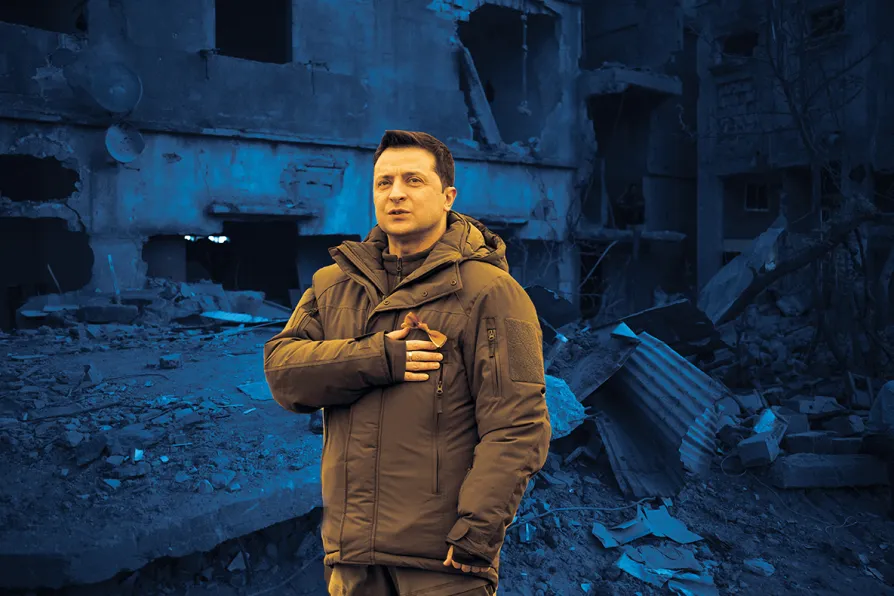 President Zelensky has now voiced concerns about Ukrainian lives being sacrificed to ‘exhaust’ Russia by some in Nato

Assistant general secretary of the General Federation of Trade Unions HENRY FOWLER reports on day 1 from the GFTU’s residential Summer School at Quorn Grange Hotel
MPs and others called for the urgent release of tortured Palestinian doctor, Hussam Abu Safiya, held hostage by Israel and reportedly near death, reports LINDA PENTZ GUNTER
Strike Map co-founder HENRY FOWLER discusses the significance of today’s joint union letter to video game giant Rockstar, demanding trade union recognition for its workers. Their conversation highlights how our movement can harness its collective power to rebuild union power across the private sector
Capitalism has exploited — and polluted — our natural resources for too long, it’s time we treated our rivers as living beings, writes MIRIUM GAUNTLETT, LIAM SHAW and ROX MIDDLETON
The PM leaves office having squandered Labour’s electoral mandate and alienated its grassroots. He will not be missed, writes BRIAN LEISHMAN MP


TWO THINGS at least could be expected from the moment the Ukraine war began. First, there would be reports of atrocities committed by Russian troops. And second, that Putin’s apologists would seek to dismiss such accounts as a “false flag” operation.
The horrifying reports of the killing of civilians in Bucha and elsewhere are likely to prove true in essence, even if exaggerated in scope.
The fact is that all armies commit atrocities in wartime, particularly if they are operating in a hostile environment, as the Russian army clearly is. To assert, as the Russian Defence Ministry did, that “not a single civilian” had been harmed by its forces is absurd. It assumes that the Russian army is either uniquely decent or uniquely disciplined. There is little evidence for either proposition.

Similar stories
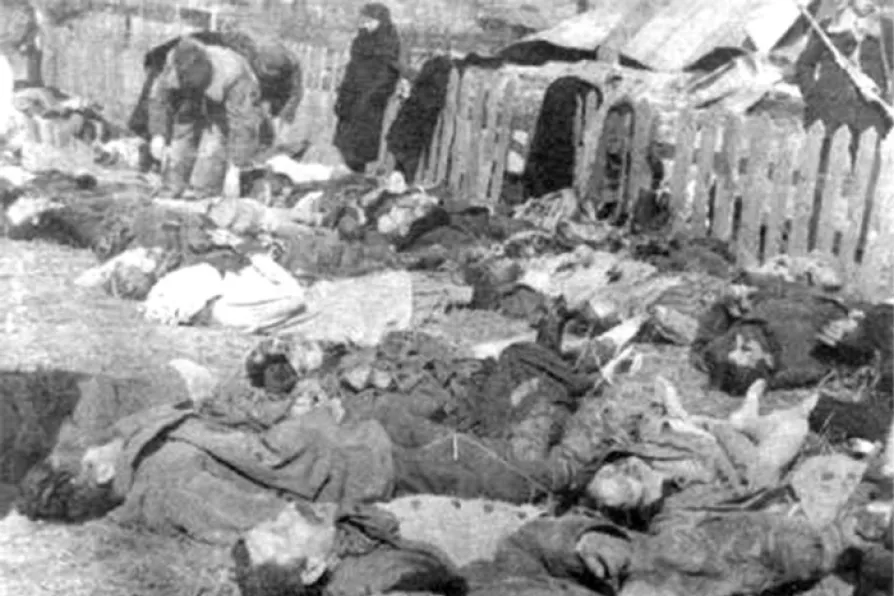
Poland’s anger over Ukraine’s celebration of the Nazi collaborationist UPA reflects more than historical grievance, says KENNY COYLE

The defence secretary’s resignation reveals not a split over principle but a dispute over pace of military spending, as Britain’s political Establishment unites behind deeper Nato commitments, argues NICK WRIGHT
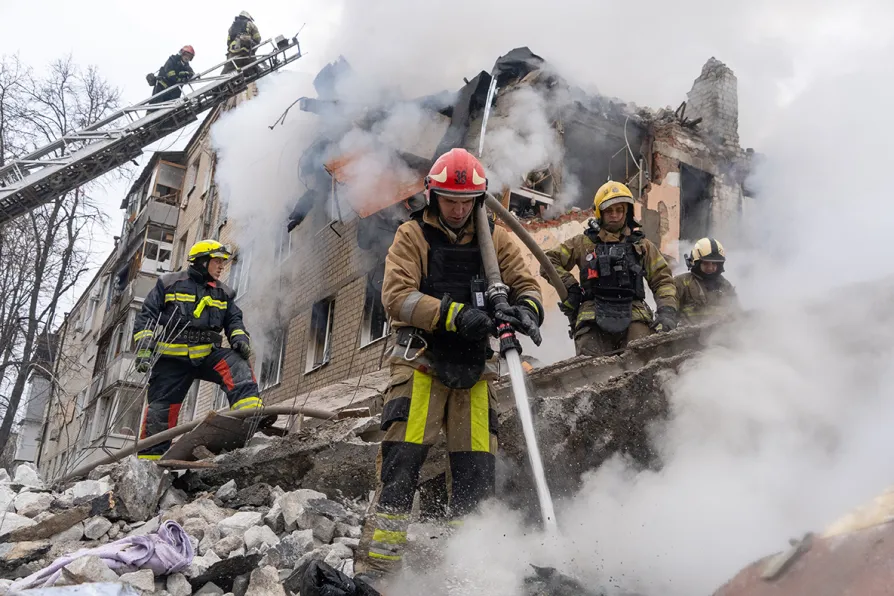
SEVIM DAGDELEN asks why the European Union is targeting the Swiss academic Jacques Baud, cutting off his access to banking services
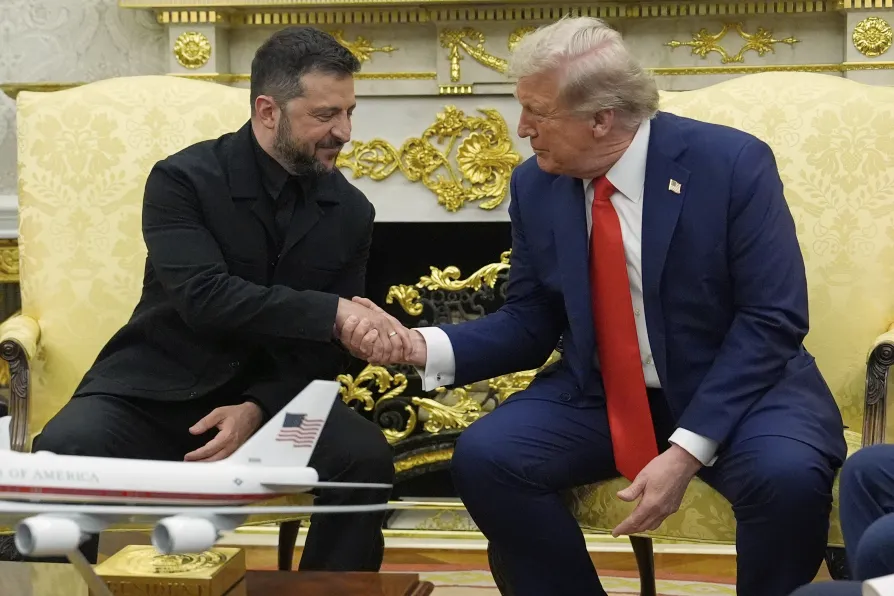
Washington plays innocent bystander while pouring weapons and intelligence into Ukraine, just as it enables the Gaza genocide — but every US escalation leaves Ukraine weaker than the neutrality deal rejected in 2022, argue MEDEA BENJAMIN and NICOLAS JS DAVIES