IAN LAVERY MP says an immediate focus on raising wages and reducing costs must be part of a strategy to show Labour can deliver for workers again


 Latest editorial
Fighting racism from Sharpeville to today
Introducing a international meeting on building a new resistance to racism, DEBORAH HOBSON and MARC WADSWORTH argue that the bigotry may have changed its form but is as bad as it was 30 years ago
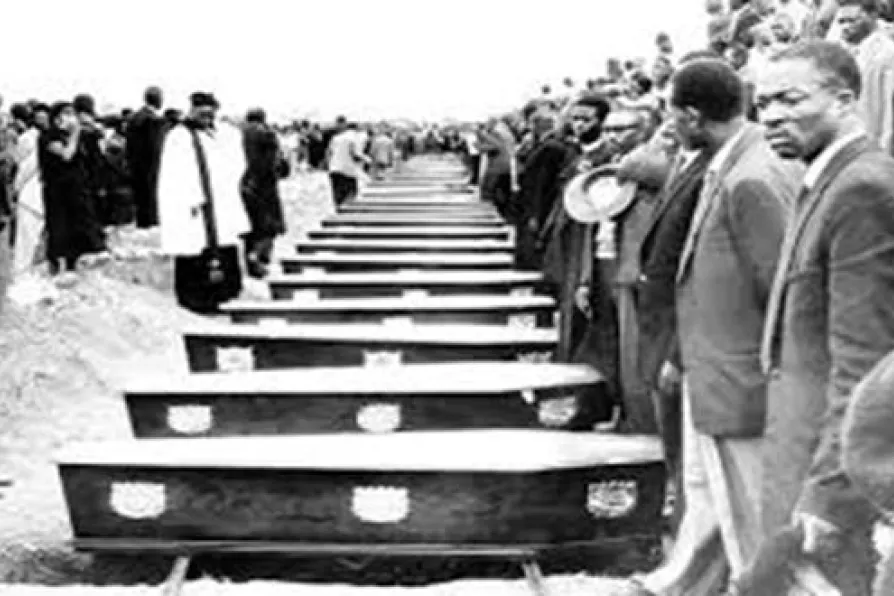 On 21 March 1960, 69 black Africans were killed and hundreds more were injured when police opened fire on peaceful protestors in the South African township of Sharpeville, south of Johannesburg. Around 5,000 people had gathered at Sharpeville police station to protest against pass laws
[thejournalist.org.za / Creative Commons]
On 21 March 1960, 69 black Africans were killed and hundreds more were injured when police opened fire on peaceful protestors in the South African township of Sharpeville, south of Johannesburg. Around 5,000 people had gathered at Sharpeville police station to protest against pass laws
[thejournalist.org.za / Creative Commons]
Friedrich Merz’s call for a new Plaza Accord ignores how Washington’s 1985 currency ambush destroyed Japan without fixing US deficits — China, a sovereign socialist state with 1.4 billion consumers, cannot be bullied the same way, writes CARLOS MARTINEZ
World Peace Council president PALLAB SENGUPTA assesses the challenges facing the international peace movement and sends greetings to the Liberation AGM
KIERA MARSHALL says there is a gulf between the privileged circles in which most politicians move and the lives of working-class youth in left-behind estates – and as a newly elected Senedd member she’s determined to do something about it
ANGUS REID and ANDREW JOHNSTONE report on an initiative that we must take this summer
At last weekend’s International Conference Against War, LINDA PENTZ GUNTER talks to the Palestinian physician and politician about the struggles ahead to achieve a truly free Palestine


CHILDREN were among the scores of black people gunned down by white police as they protested against racist laws in South Africa in March 1960. The Sharpeville Massacre, as it became known, sent shock waves around the world. It helped pave the way for eventual black liberation in South Africa, a country previously divided along racial lines by the notorious apartheid system with black people at the bottom of the pile in their own land.
The Pan-Africanist Congress of Azania had organised a demonstration outside a police station in the poor Sharpeville township. It was called to oppose the hated “pass laws” that meant black South Africans had to carry identity cards and could be arrested and jailed if they didn’t.
South African police opened fire on thousands of protesters when they reached a fence around the police station. Official sources put the number of victims at 249, including 29 children, with 69 people killed and 180 injured. Some of those murdered were shot in the back as they fled.

Similar stories
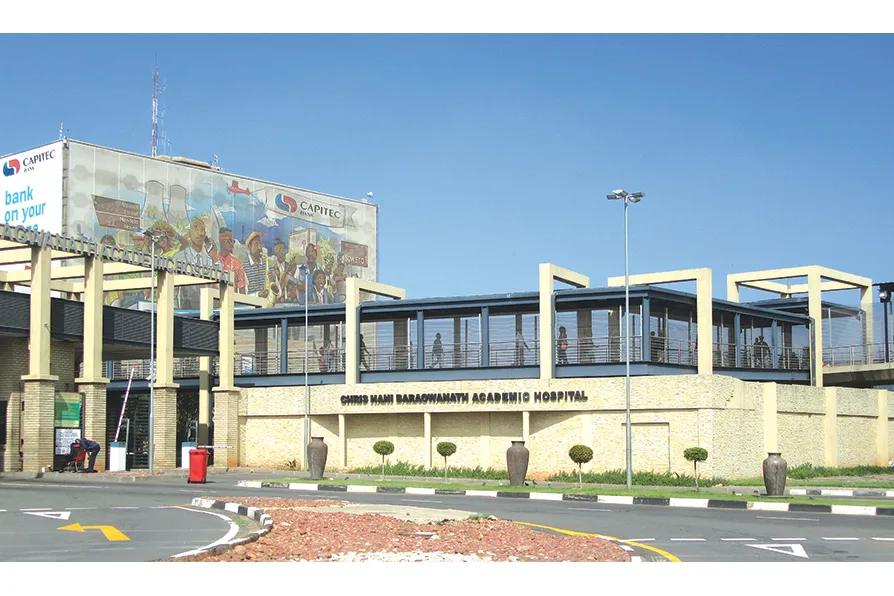
ROGER MCKENZIE recalls the one-in-a-generation communist leader murdered at the dawn of a new South Africa 33 years ago last April 10

1943-2025: How one man’s unfinished work reveals the lethal lie of ‘colour-blind’ medicine
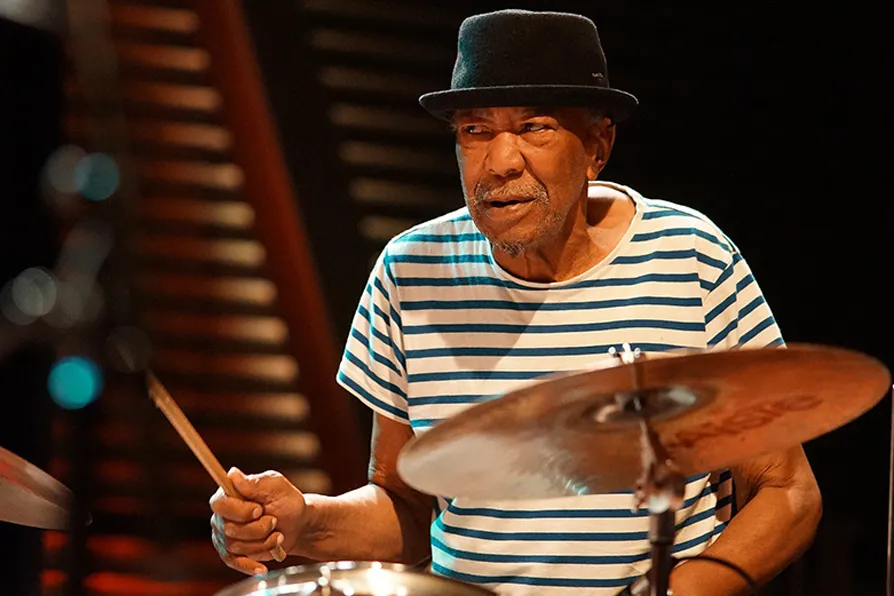
CHRIS SEARLE pays tribute to the late South African percussionist, Louis Moholo-Moholo
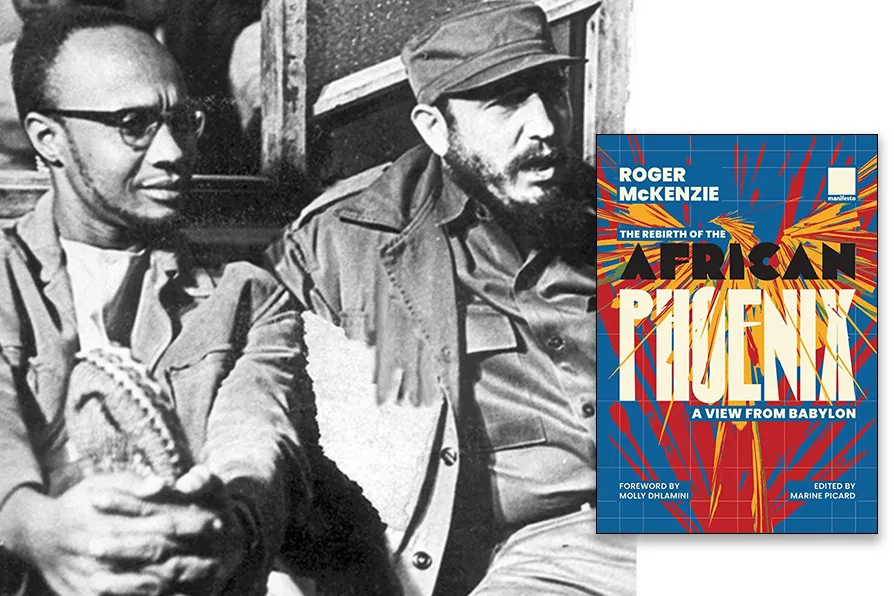
MOLLY DHLAMINI welcomes a Pan-Africanist and Marxist manifesto that charts a path for Africa’s resurgence