MARY DAVIS says the centrality of the Jewish community and the Communist Party to anti-fascism in the 1930s is too often overlooked on the left


Nato's an obstacle to peace in Europe and elsewhere
The US, EU and Nato reneging on promises made to Russia lays at the crux of present tensions, writes JOHN WIGHT
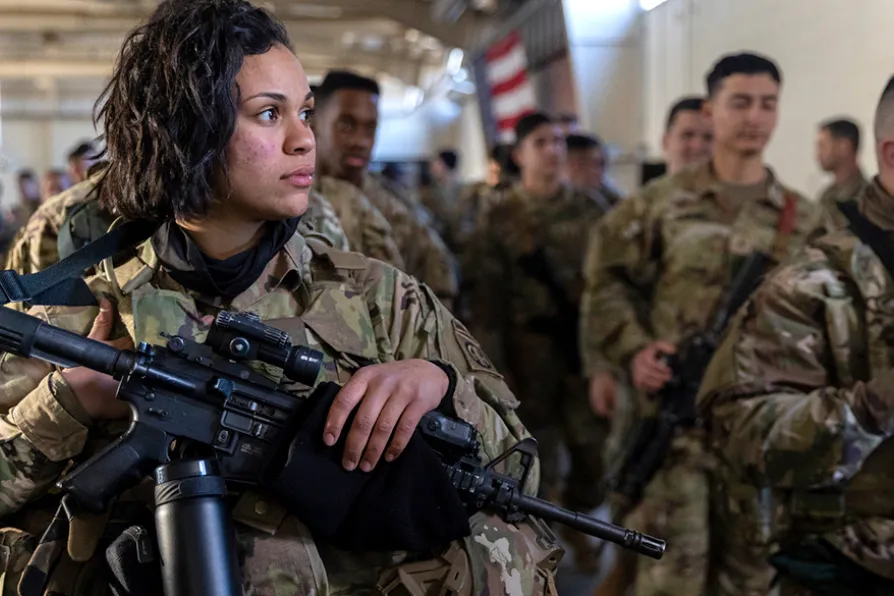
 RATCHETING UP TENSIONS: The US 82nd Airborne Division deploys, last Monday, to Poland on a Nato mission. On October 25 1983 it spearheaded a treacherous attack on Grenada and its revolutionary government and on December 20 1989 a similar invasion of Panama
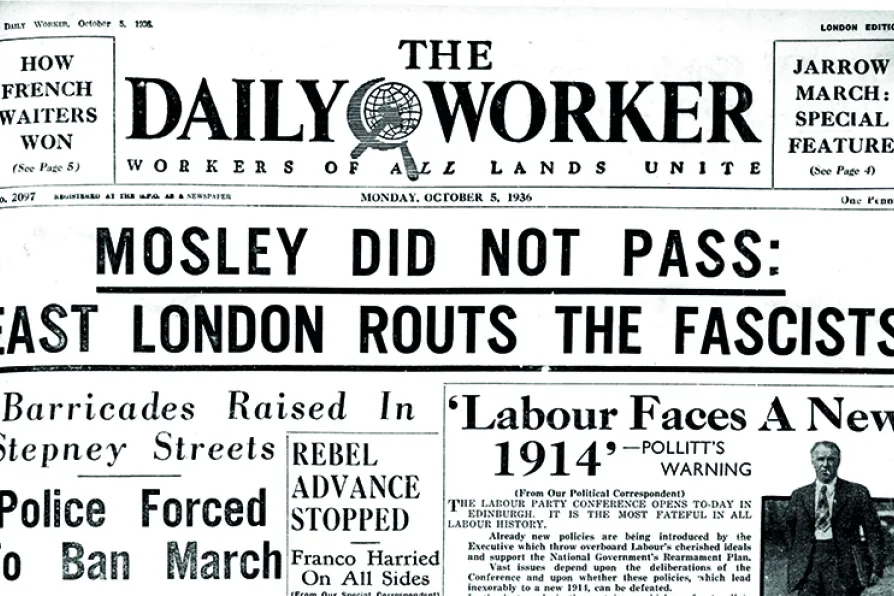
A 1936 confrontation with Mosley’s BUF became part of a wider international struggle, with local activists later joining the fight against fascism in the Spanish civil war. TONY FOX tells the story ahead of a 90th anniversary commemoration event
GEORGE WHITE explains why Unite’s Lancashire area activists committee believes co-ordinated recruitment in an area defined by particular kinds of employment and linked by a major transport artery could provide a model for organising the unorganised
Voters have delivered a stay of execution for Labour and exposed limits to Reform’s advance. But will Burnham offer a political alternative rather than just a different face at the top, asks ANDREW MURRAY
Calls for a Universal Basic Income are a red herring, argues the Full Marx editorial team — socialists should fight for Universal Basic Services
SEVIM DAGDELEN warns that Germany’s military resurgence and revival of old hostilities towards Russia have dangerous implications for Europe and beyond


THE current and ongoing crisis with regard to Ukraine reminds us that the existence of Nato 73 years on from its creation stands as an insult to the millions who died in WWII so that the UN Charter could be born.
Produced as the foundational document of the United Nations upon its birth in October 1945, enshrined within the Charter’s articles was the solemn pledge that henceforth justice, international law and tolerance would reign in place of brute power, force and intolerance.
Consider for a moment the first section of the Charter’s preamble:

Similar stories
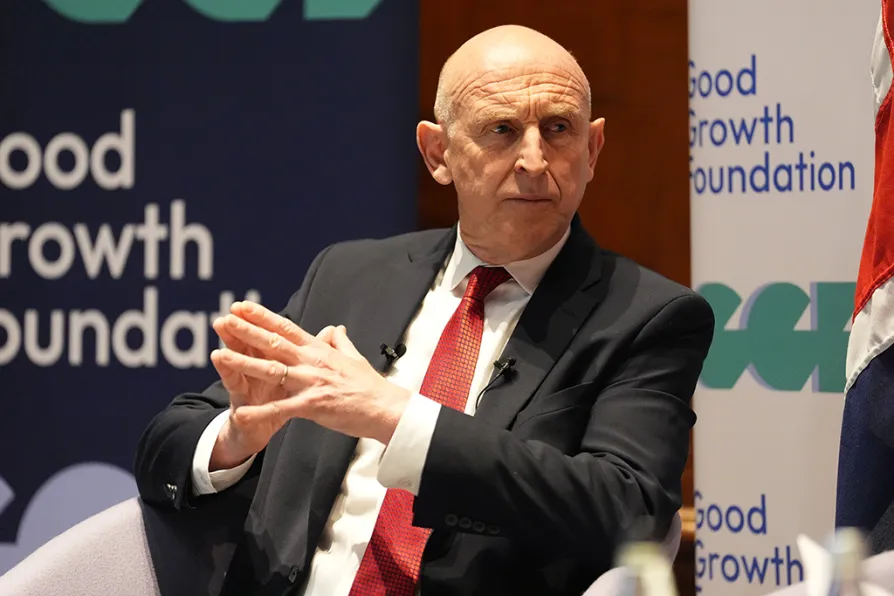
The defence secretary’s resignation reveals not a split over principle but a dispute over pace of military spending, as Britain’s political Establishment unites behind deeper Nato commitments, argues NICK WRIGHT
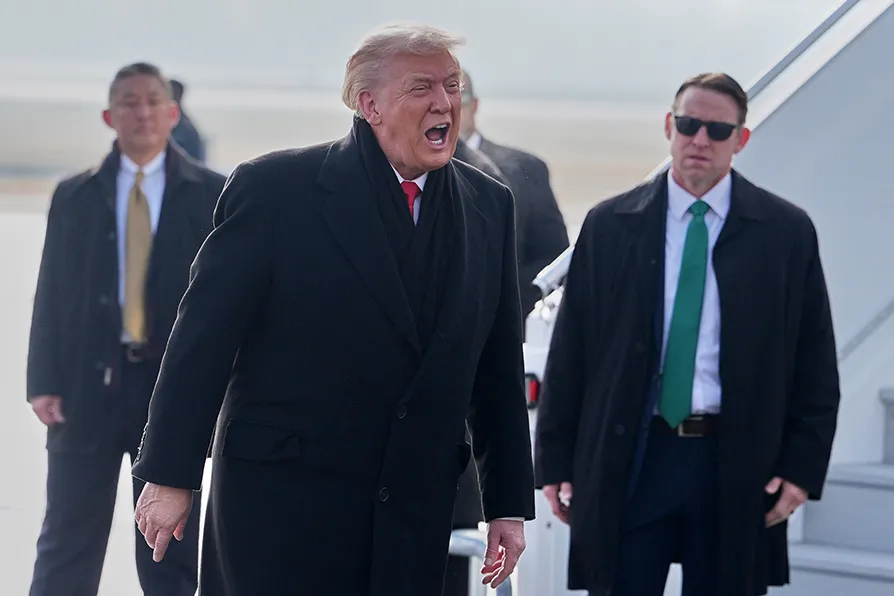
Trump’s vision of ‘might is right’ signals the collapse of the postwar order — and a warning of who may be next, warns BOB ORAM
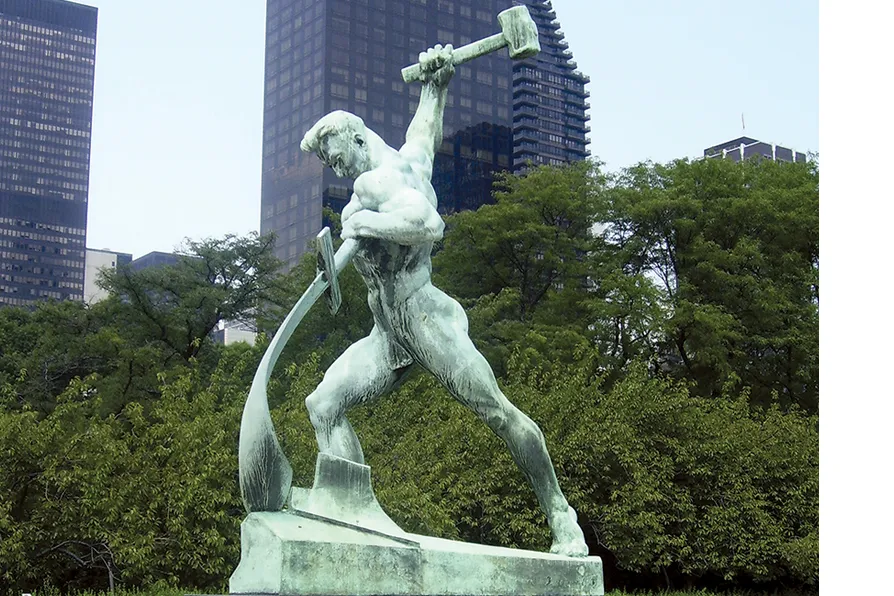
The colonial mindset behind the governance of the UN is the reason for its inertia when it comes to conflict resolution, argues ROGER McKENZIE – but can China’s Global Governance Initiative point in a new direction of global equality?
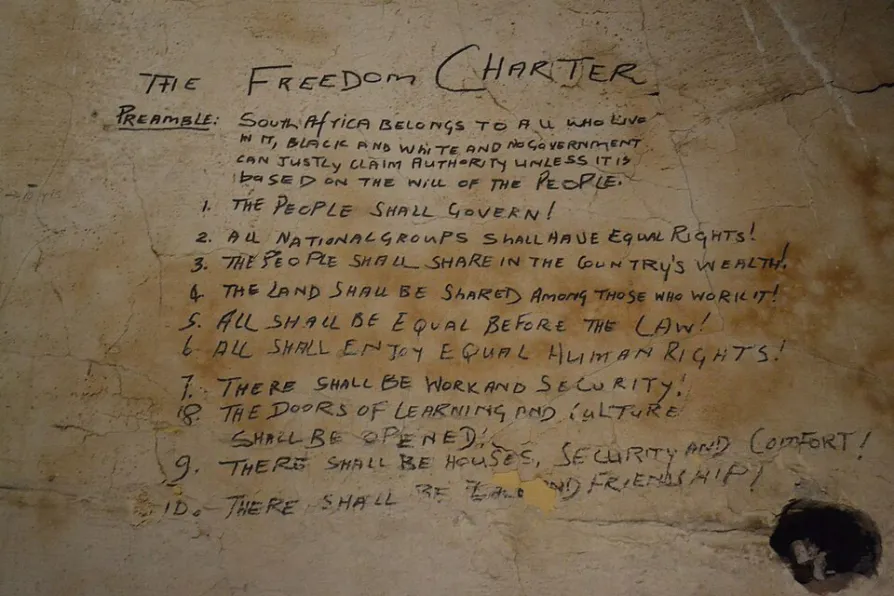
The charter emerged from a profoundly democratic process where people across South Africa answered ‘What kind of country do we want?’ — but imperial backlash and neoliberal compromise deferred its deepest transformations, argues RONNIE KASRILS